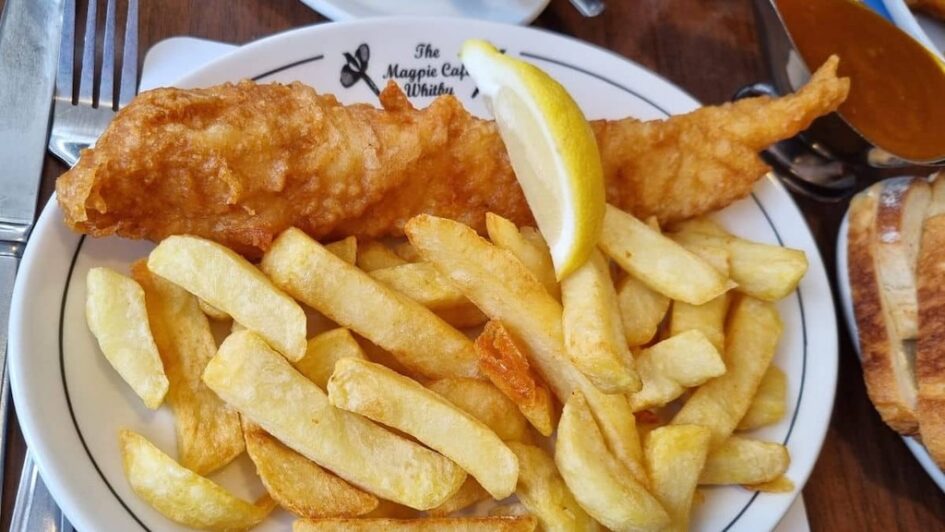
Ask people to name Britain’s national dish and you’ll probably hear a few different answers. A Sunday roast. A full English breakfast. Chicken tikka masala. For me, however, one meal captures Britain better than any other.
Fish and chips.
Not just anywhere, but by the sea. Better still, after arriving by train.
It is difficult to think of another meal so closely tied to a place. A good fish and chip shop can be found almost anywhere in Britain, yet somehow it never feels quite the same when eaten inland. Take exactly the same meal to a harbour wall, a promenade or a bench overlooking the beach and something changes.
The fish tastes fresher. The chips seem crisper. Even the vinegar somehow feels sharper.
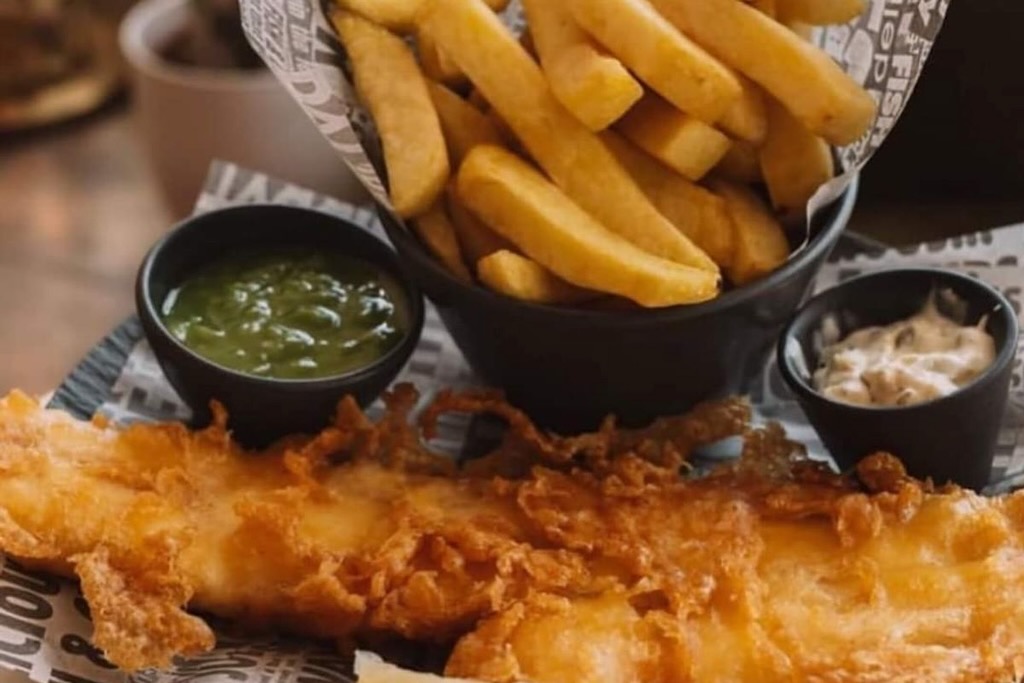
Part of that is genuine quality. Britain’s finest seaside fish and chip shops often have access to exceptionally fresh fish, landed just a short distance away. Skilled frying, crisp batter and properly cooked chips matter enormously. A great fish supper begins with great ingredients.
But there is something else happening too.
Scientists have long known that flavour is about far more than taste alone. Smell, sight, sound and even expectation all shape how we experience food. It explains why the smell of salt in the air, the sound of waves breaking against the shore and the sight of fishing boats bobbing in the harbour become ingredients in the meal, despite never appearing on the menu.
The journey matters too.
Long before Britain’s motorways filled with summer traffic, families travelled to the coast by train. Victorian railway companies transformed places like Blackpool, Scarborough, Whitby, Great Yarmouth, Skegness and Torquay into holiday destinations for millions of people. The train did more than carry passengers. It created traditions.
For countless families, stepping off the platform was followed by the same familiar ritual. A walk towards the sea. The first glimpse of the beach. The unmistakable smell of frying batter drifting through the streets.
Fish and chips became part of the holiday itself.
Perhaps that anticipation is why the meal feels so satisfying after a railway journey. Unlike driving, train travel allows the appetite to build naturally. There is time to watch the countryside unfold beyond the window, to notice the landscape becoming flatter as the coast approaches, or to catch that first flash of blue water between the houses. By the time the train arrives, you’ve been looking forward to lunch for the best part of an hour.
The first bite feels earned.
It is also one of the few meals that belongs to every season.
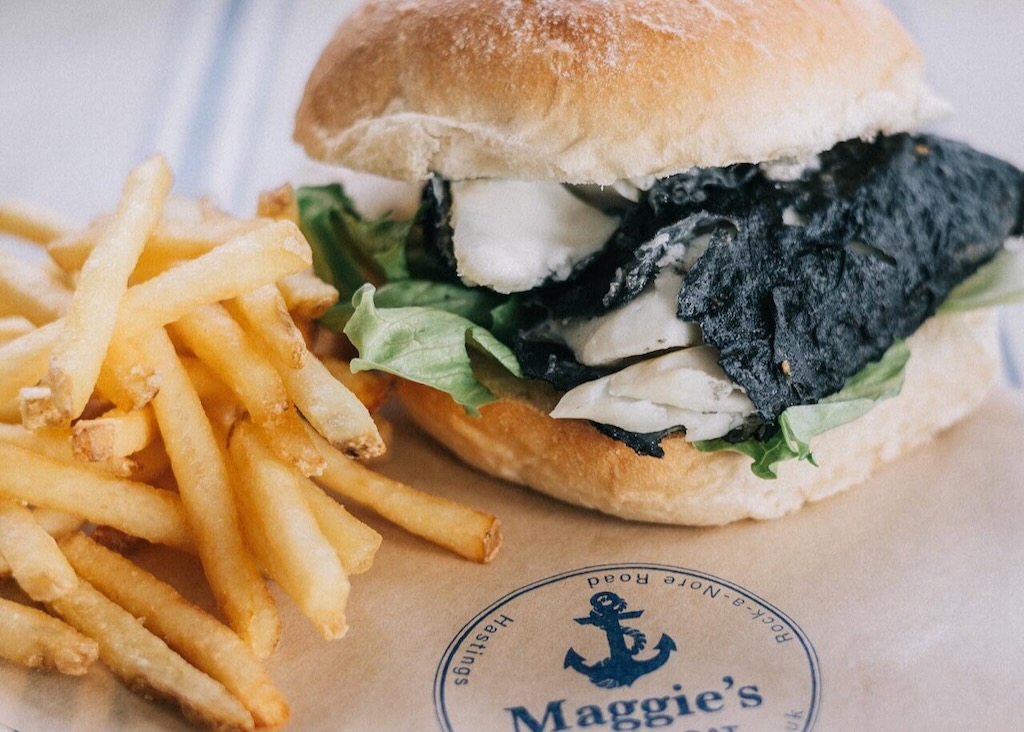
In summer, fish and chips are eaten with sandy shoes, sunglasses balanced on your head and the sound of children playing on the beach. Seagulls patrol overhead, always hopeful that someone is holding their supper a little too casually. The days are long, the sea sparkles and there is nowhere else you would rather be.
Winter tells a different story.
The beaches are quieter. The wind is stronger. The waves crash against the promenade instead of gently lapping at the shore. Wrapped in paper that keeps both the food and your hands warm, fish and chips become comfort rather than celebration. The same meal somehow feels completely different, yet no less enjoyable.
Perhaps that is why it has endured for generations.
Food is rarely just about what sits on the plate. It is about memory, place and the people we share it with. Fish and chips remind us of family holidays, day trips, windswept promenades, seaside piers and railway stations filled with excited passengers carrying buckets, spades and suitcases.
No other meal is woven so closely into Britain’s travelling culture.
The next time you head for the coast, choose a good local fish and chip shop. Find a bench overlooking the sea. Watch the gulls, listen to the waves and take your time.
If you’ve arrived by train, all the better.
Because the journey is one of the ingredients.
🚂 Follow the journey
🍽️ Stephen Plume writes about food, trains, and the people in between.
🚆 The Slow Train: Monthly rail stories. Join for my vetted regional food lists
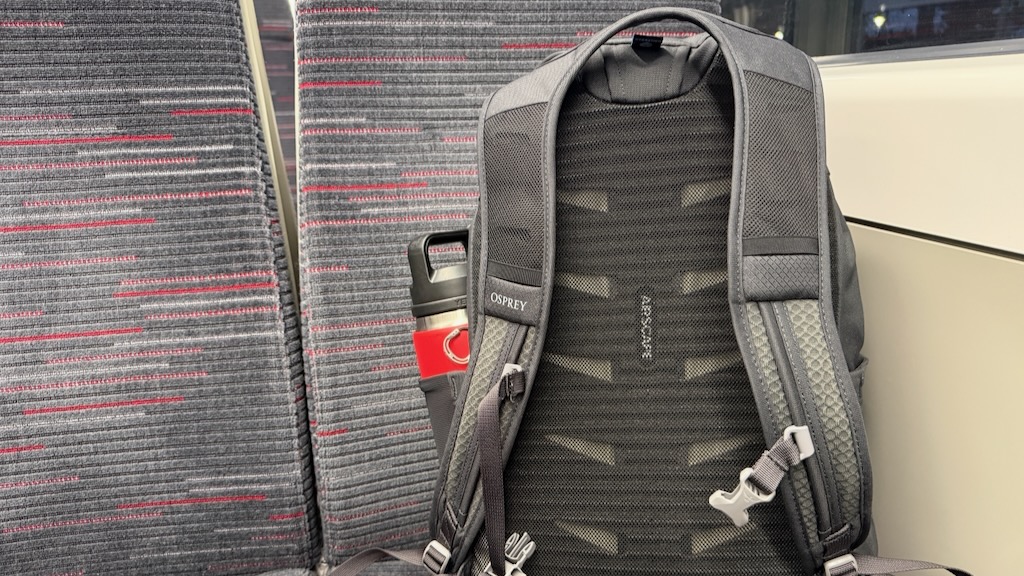
🧳 Travel Kit: Curious about what I pack for the rails? See the list here


Leave a Reply