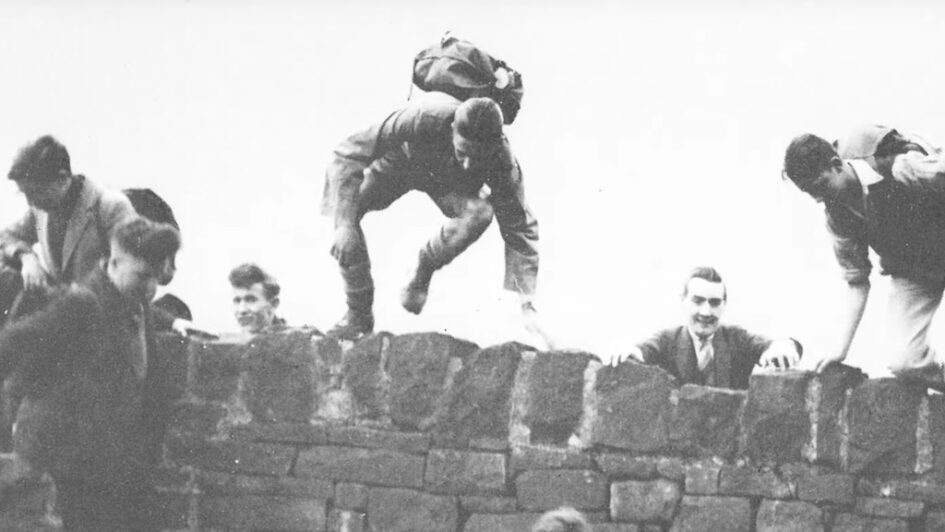
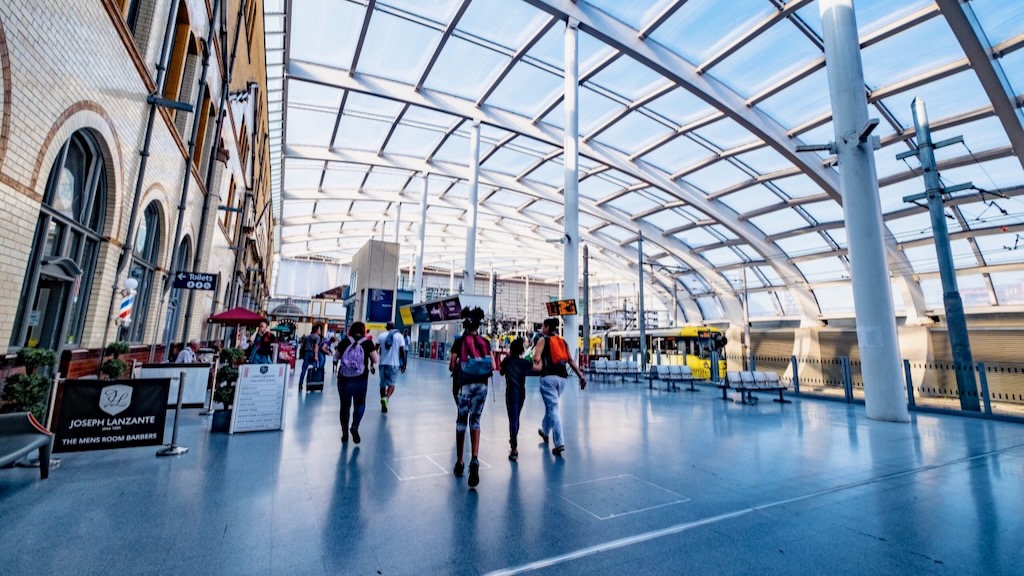
There is a moment, sometime in the spring of 1932, that is worth sitting with. A young man boards a train in Manchester. He is twenty years old, probably wearing boots already worn thin, carrying food wrapped in paper. Around him, others do the same. They are factory workers, mostly. Some are unemployed. All of them can see the hills from where they live, and all of them have been told, in one way or another, that those hills are not for them.
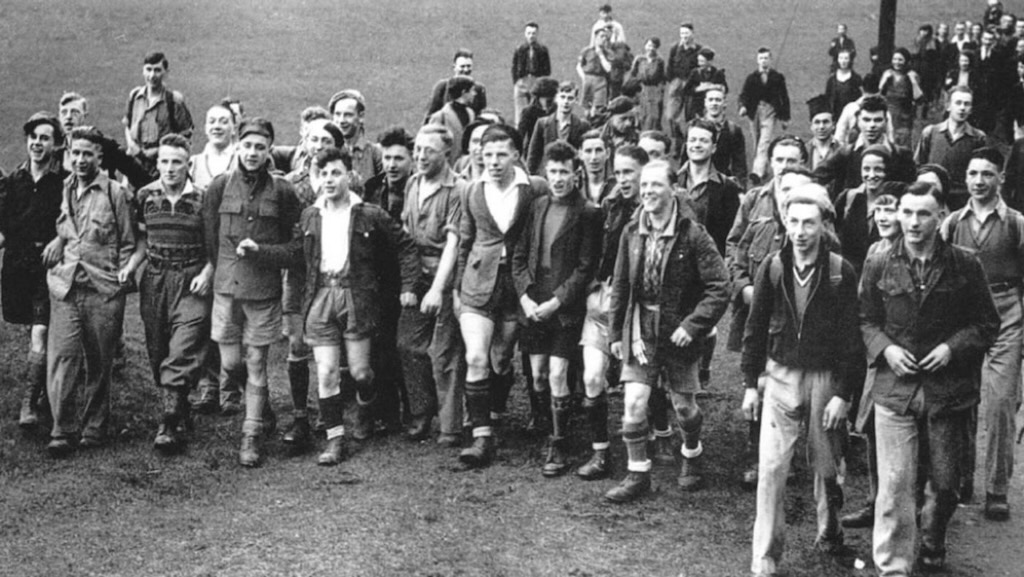
The train takes them north. From Hayfield, they walk.
His name is Benny Rothman, secretary of the British Workers’ Sports Federation. What he has organised is a coordinated trespass onto Kinder Scout, the highest ground in the Peak District. The land is privately owned, legally forbidden, guarded by gamekeepers employed by wealthy landowners who want it kept for grouse shooting. Around 400 people join him. They approach from several directions at once.
Gamekeepers meet them. There are violent scuffles. The ramblers reach their destination regardless, meeting a second group coming over from Sheffield via Edale. On the return to Hayfield, five men are arrested. They are tried at Derby Assizes in July. One receives six months in prison. The others receive between two and four months. The sentences cause outrage across the country.
Three weeks later, 10,000 people rally at Winnats Pass in support of open access. The trespass had lit something it could not control.
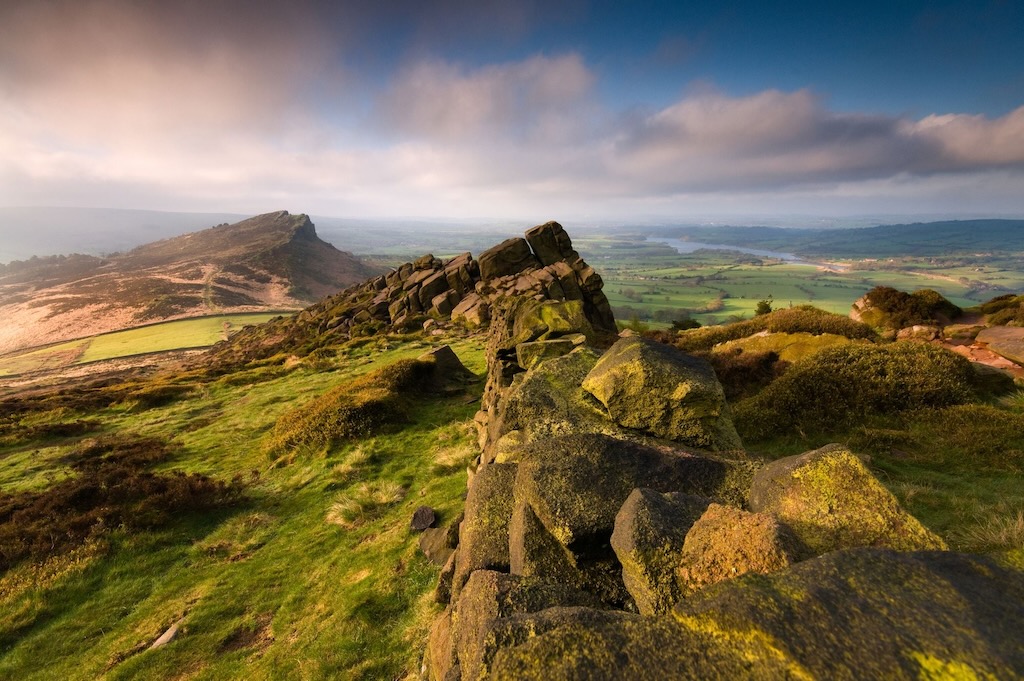
Nineteen years later, on 17 April 1951, the Peak District becomes Britain’s first national park. The land those young men walked onto illegally is now protected landscape, open to anyone who wants to come.
This year it turns 75.
Historians have debated the trespass ever since. Some argue it set the access movement back in the short term, handing opponents a reason to paint ramblers as dangerous radicals. Others point to its symbolic power over the following decades, a story that kept being told, and retold, until it became part of the argument that eventually won. The Countryside and Rights of Way Act of 2000 finally gave a legal right of access to mountain, moor, heath and down across England and Wales. It took sixty-eight years from that Sunday in April 1932.
Hayfield’s station is long gone, closed in the 1970s. But the nearest station now is New Mills Newtown, about three miles away, and the Hope Valley Line still threads through the heart of the Peak District, stopping at Grindleford, Hathersage, Bamford, Hope and Edale. The Sheffield group who joined the trespass that day came via Edale. That station still stands.
The railway did not just carry passengers to destinations. It carried people to the places they had decided to claim. It made protest possible. It made the countryside democratic.
Seventy-five years of the Peak District National Park is worth celebrating. But it is worth knowing what it cost, and who paid for it, and how they got there.
They got there by train.
🚂 Follow the journey
🍽️ Stephen Plume writes about food, trains, and the people in between.
🚆 The Slow Train: Monthly rail stories. Join for my vetted regional food lists
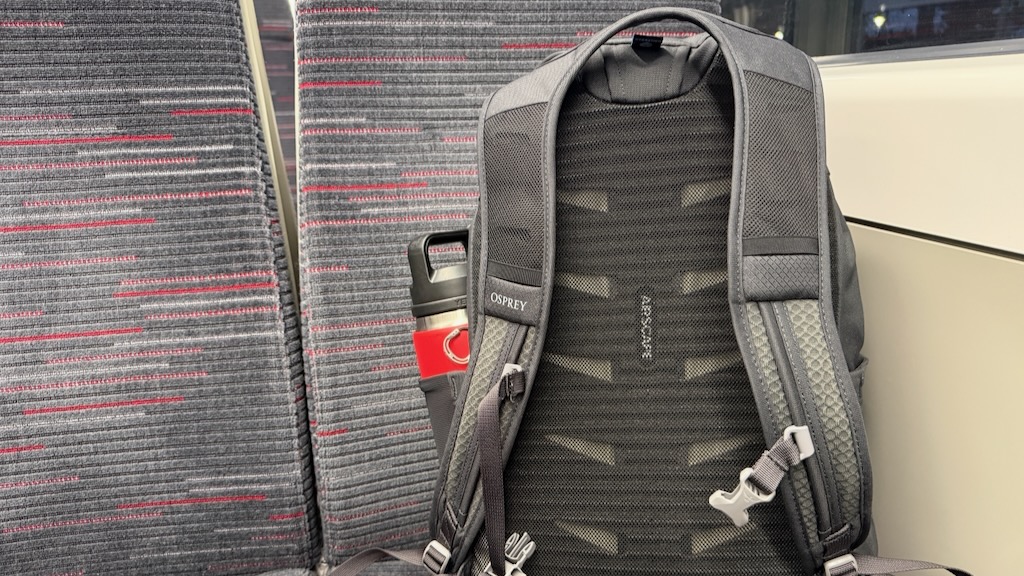
🧳 Travel Kit: Curious about what I pack for the rails? See the list here

Leave a Reply