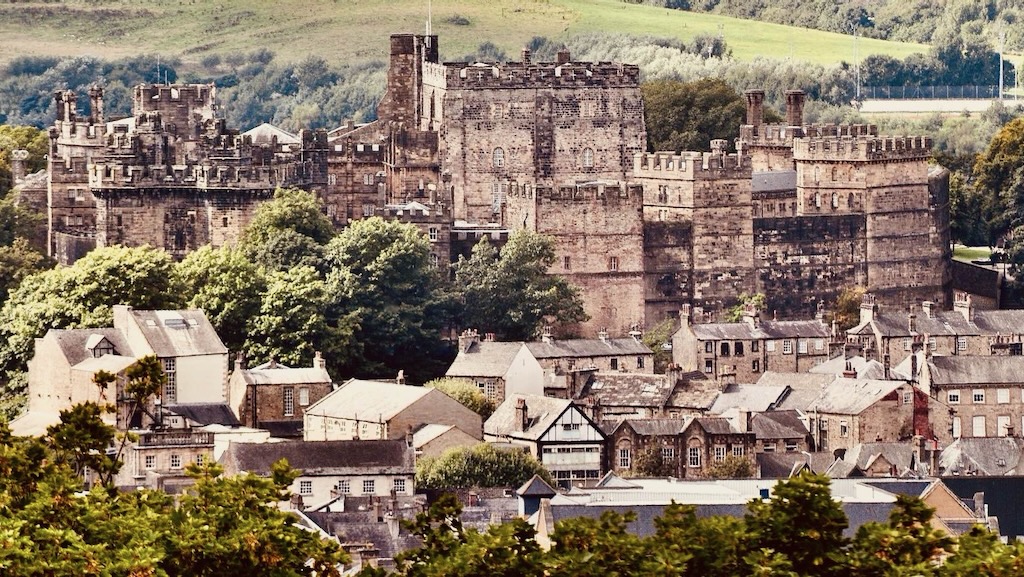
Discover Lancaster’s historic railway station, remarkable castle and independent cafés, with good food just a short walk from the train.
Lancaster is one of those cities that rewards arriving by train. There’s no lengthy journey from an out-of-town station or complicated bus connection. Step outside, walk towards the centre, and within minutes you’re among old stone buildings, independent cafés and streets that have been welcoming travellers for centuries.
It’s a compact city with plenty of character. A medieval castle dominates the skyline, the River Lune curves around its northern edge, and its food scene offers rather more than the usual collection of familiar high-street names.
For a day out by rail, Lancaster deserves a closer look.
Arriving at Lancaster railway station
Lancaster sits on the West Coast Main Line, making it accessible from destinations across northern England, Scotland and further south.
The present station opened in 1846, originally known as Lancaster Castle. Designed by railway architect William Tite, its sandstone buildings reflect the importance of the railway in connecting Lancaster with the rest of the country.
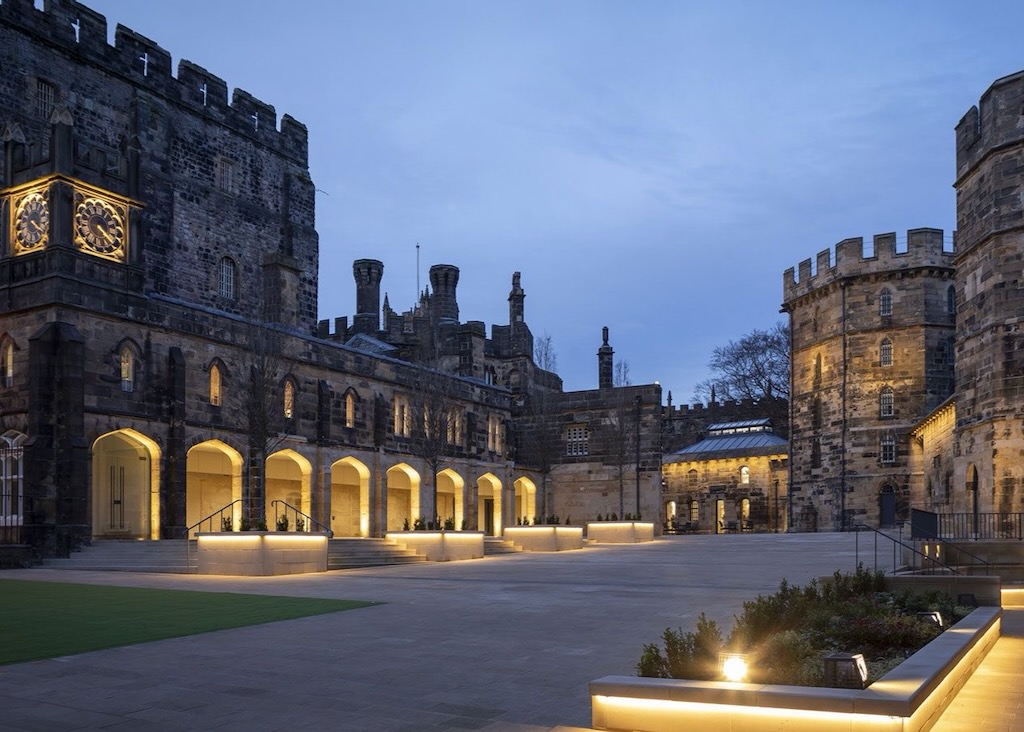
The castle is only around 300 metres from the station, while the main shopping streets and market area are approximately five minutes’ walk away.
That proximity makes Lancaster particularly appealing for a day trip. You can spend your time exploring rather than getting from one place to another.
A bakery worth leaving the station for
Meeting House Lane provides a natural route from the station towards the city centre, and it’s here you’ll find Tuck, an independent café and bakery at numbers 11–15.
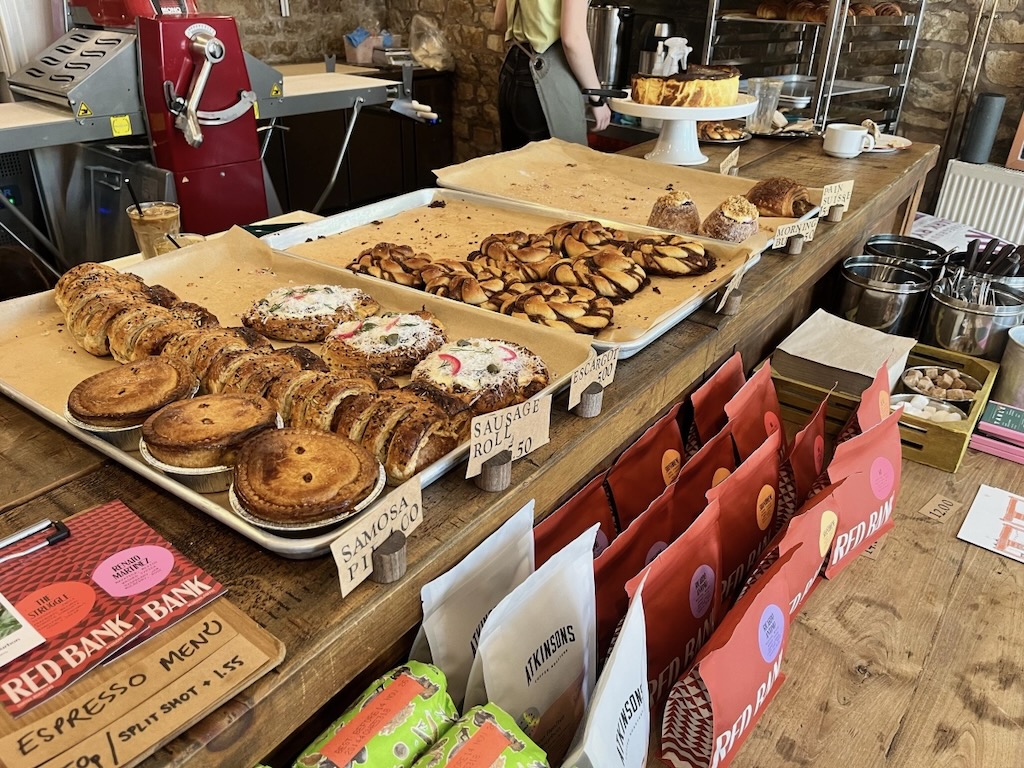
Tuck brings together good coffee, freshly prepared food and an appealing selection of pastries and baked goods. It’s the sort of place that makes a strong case for arriving hungry, especially if you’ve spent the morning on a train.
There are sandwiches and more substantial options for anyone wanting lunch, while the bakery counter provides plenty of temptation for those planning something lighter.
Its location also makes it a convenient first stop before heading up towards the castle.
Lancaster Castle and its extraordinary history
Few railway destinations have a landmark quite so close to the station.
Lancaster Castle has watched over the city for centuries, serving as a fortress, court and prison. Its history includes the notorious Lancashire Witch Trials of 1612, when ten people were convicted of witchcraft and subsequently executed.
Much of the castle’s interior can be explored through guided tours, which tell the stories of its prisoners, trials and changing role in the city.
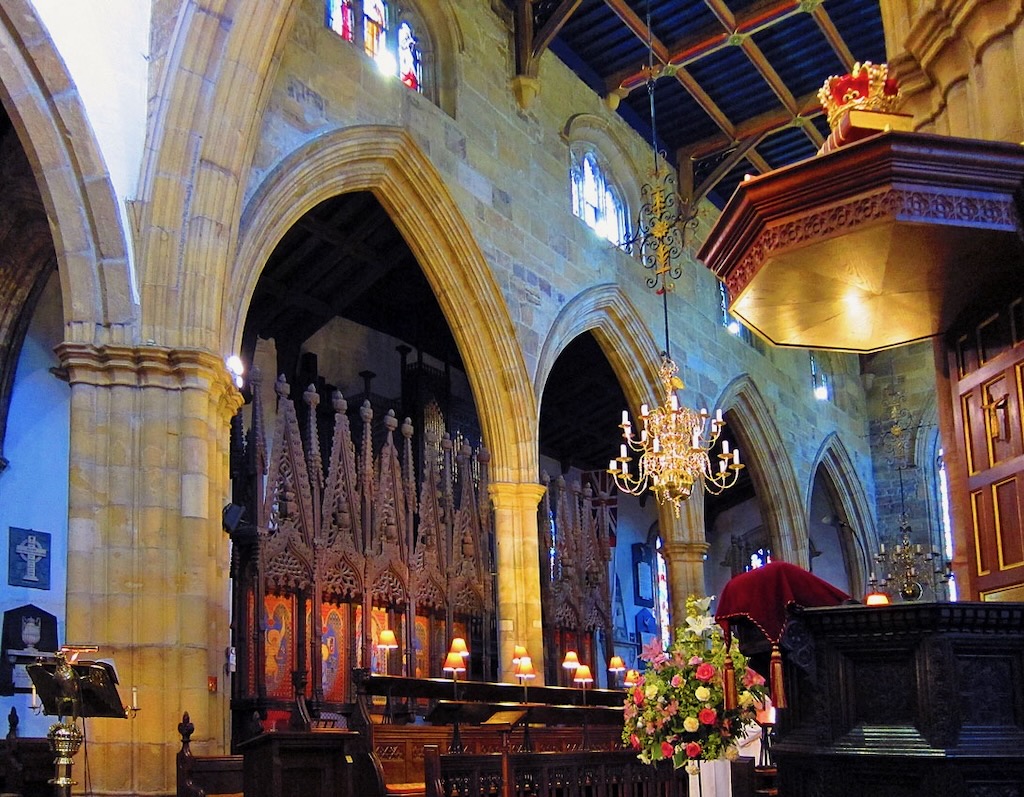
Even without joining a tour, the castle buildings and surrounding streets are worth exploring. The neighbouring Lancaster Priory adds another layer of history to this remarkable corner of the city.
And, rather conveniently, there’s somewhere particularly good for coffee.
Coffee with nearly two centuries of history
Atkinsons Coffee Roasters has been part of Lancaster life since 1837, beginning as the Grasshopper Tea Warehouse before developing into one of the country’s longstanding independent coffee and tea businesses.
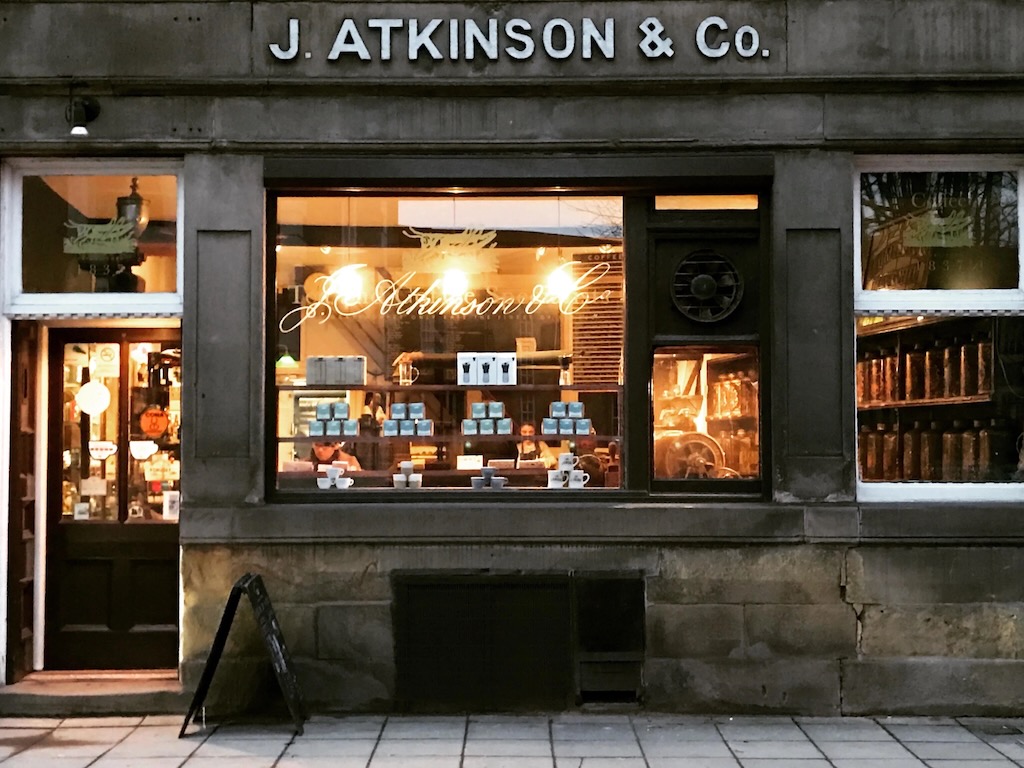
Its original shop on China Street is worth visiting, with traditional fittings, old-fashioned canisters and shelves of coffee and loose-leaf tea.
However, for a particularly memorable setting, head to Atkinsons at the Castle.
Housed within the restored castle kitchen buildings, the café offers freshly roasted coffee, loose-leaf teas, pastries, cakes and sandwiches in surroundings that combine centuries of history with contemporary café culture.
It’s a rather unusual place to enjoy a flat white, surrounded by buildings whose previous occupants weren’t necessarily there through choice.
Markets and independent Lancaster
From the castle, the city’s streets lead downhill towards Market Square, Market Street and Cheapside.
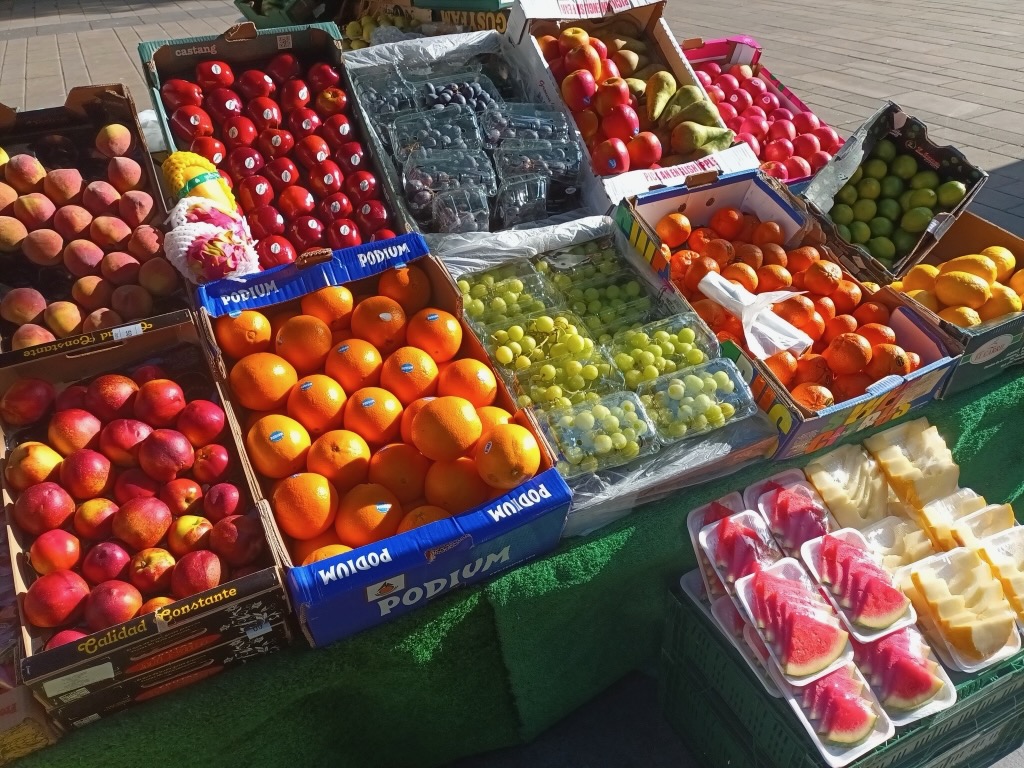
Lancaster’s Charter Market takes place on Wednesdays and Saturdays, with stalls offering produce, street food, crafts and other goods. It’s a good place to browse, particularly if you enjoy discovering something beyond the usual shops.
Away from market days, Lancaster still has plenty to explore. The historic streets contain independent retailers, cafés and small businesses that give the city much of its personality.
A walk towards the River Lune also reveals another side of Lancaster, including the Georgian buildings along St George’s Quay.
A meal beneath the castle
For something more substantial, Merchants 1688 offers a distinctive dining experience on Castle Hill.
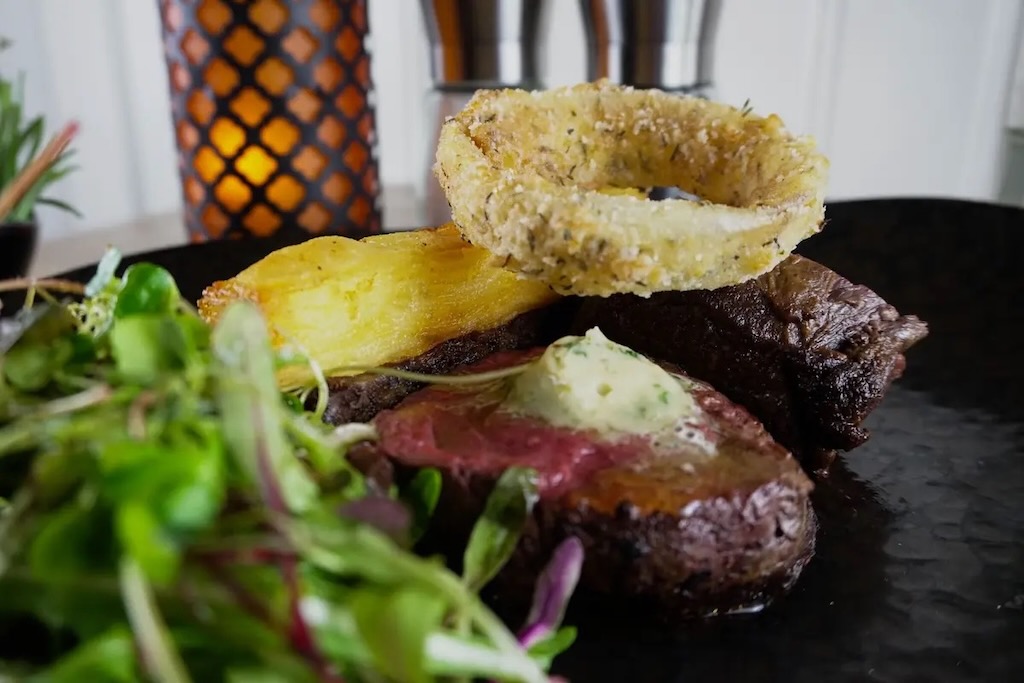
The restaurant occupies former wine merchant’s cellars dating back around 300 years. Stone vaults and historic surroundings provide a memorable setting for a meal, with a menu built around freshly prepared dishes, seasonal specials and traditional pub dining.
THE SLOW TRAIN
Enjoying The Hungry Passenger?
The Slow Train is my monthly email about food, railways and the stories found along the way. Find out more about The Slow Train and join the next departure.
There’s a good selection of wine and cask ales too, making it a particularly appealing place to finish an afternoon exploring the city.
Its position close to Lancaster Castle means there’s no need to venture far from the historic centre.
Morecambe is only a short train journey away
One of Lancaster’s other attractions is how easily the journey can be extended.
Northern operates direct services between Lancaster and Morecambe, with the quickest journeys taking around 11 minutes.
Morecambe offers a very different experience, with its seafront promenade, expansive views across Morecambe Bay and the famous statue of comedian Eric Morecambe.
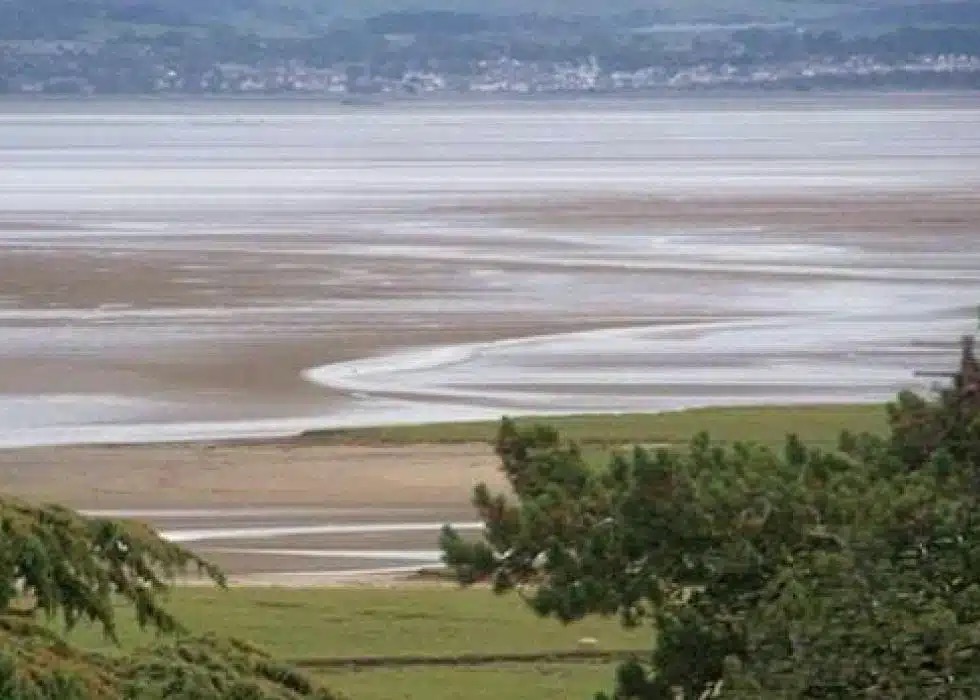
If you’ve got a full day available, it’s perfectly possible to combine Lancaster’s historic streets and independent food scene with some time beside the sea.
Alternatively, save Morecambe for another adventure and give Lancaster the attention it deserves.
Why Lancaster is worth visiting by train
Lancaster manages to pack an impressive amount into a relatively small city. There’s genuine railway history, one of England’s most fascinating castles, a centuries-old market tradition and a growing collection of places worth eating and drinking.
Most importantly, it’s all readily accessible on foot from the station.
Whether you’re visiting for a few hours or making a full day of it, Lancaster demonstrates why some of the best railway adventures begin simply by stepping off the train and exploring what’s nearby.
🚂 Follow the journey
🍽️ Stephen Plume writes about food, trains, and the people in between.
🚆 The Slow Train: Monthly rail stories. Join for my vetted regional food lists
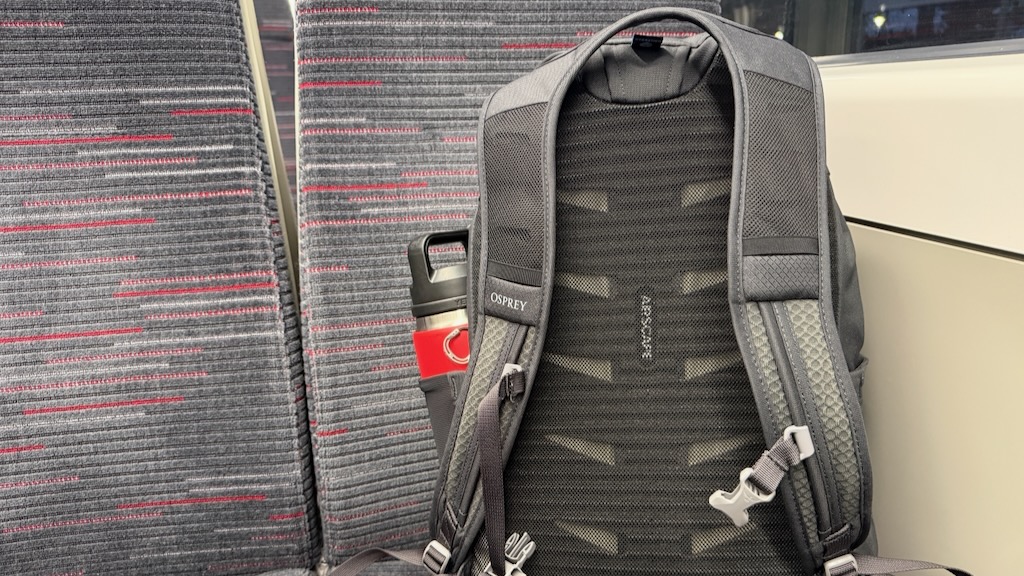
🧳 Travel Kit: Curious about what I pack for the rails? See the list here
Leave a Reply