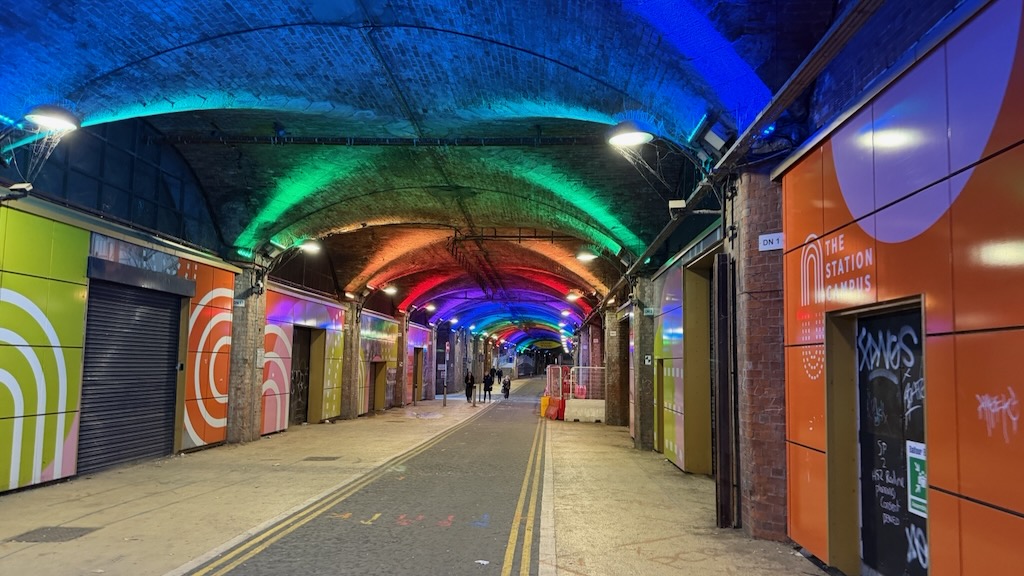
Leeds is somewhere I’ve passed through countless times without properly exploring. It’s a major railway city, somewhere to change trains or head off in another direction, but this time the destination was Leeds itself.
On Saturday, my mum and I spent a day exploring the city. The plan was straightforward: discover some of its architecture, visit the historic markets and arcades, and see what else caught our attention along the way.
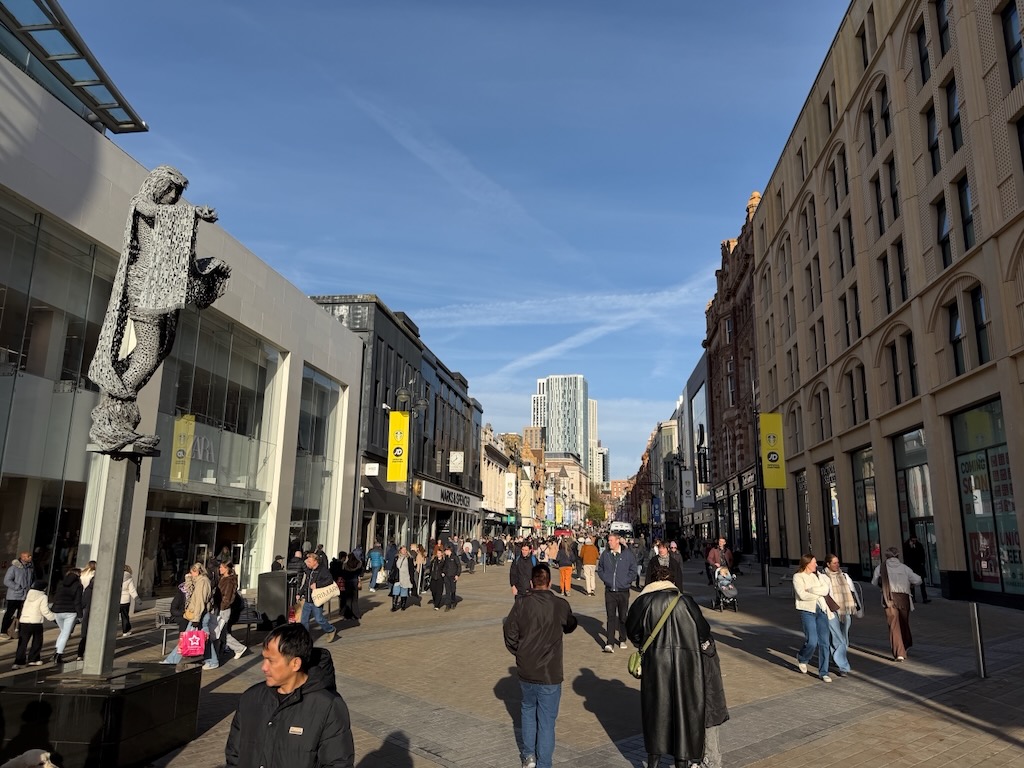
What I hadn’t anticipated was that a photography exhibition at Leeds Art Gallery would become the most memorable part of the day, raising questions about how much Britain has really changed over the past fifty years.
Leeds Corn Exchange and Kirkgate Market
We began at Leeds Corn Exchange, one of the city’s most distinctive buildings. Designed by Cuthbert Brodrick and completed in 1863, its circular form and grand Victorian architecture make it difficult to miss.
It was originally built for the grain trade, but today houses independent shops and businesses. The building itself is arguably the main attraction, particularly its unusual shape and the architectural detail that reflects Leeds’s nineteenth-century commercial prosperity.
A few minutes away, Kirkgate Market offers a different perspective on the city’s trading history. One of Europe’s largest covered markets, it remains a working market rather than simply a heritage attraction.
It’s also where Michael Marks established the penny bazaar that would eventually become Marks & Spencer, a reminder of how much commercial history began in places like this.
I particularly enjoy markets that still feel like markets. There is something reassuring about a mixture of everyday shopping, independent traders and food stalls, especially in a city centre where so much retail space has become increasingly familiar.
Both buildings are worth visiting, but for different reasons. The Corn Exchange celebrates the grandeur of Victorian commerce, while Kirkgate Market shows how that tradition continues.
The magnificent Victorian arcades of Leeds
From the market, we made our way towards Victoria Gate and John Lewis, before exploring the neighbouring Victoria Quarter.
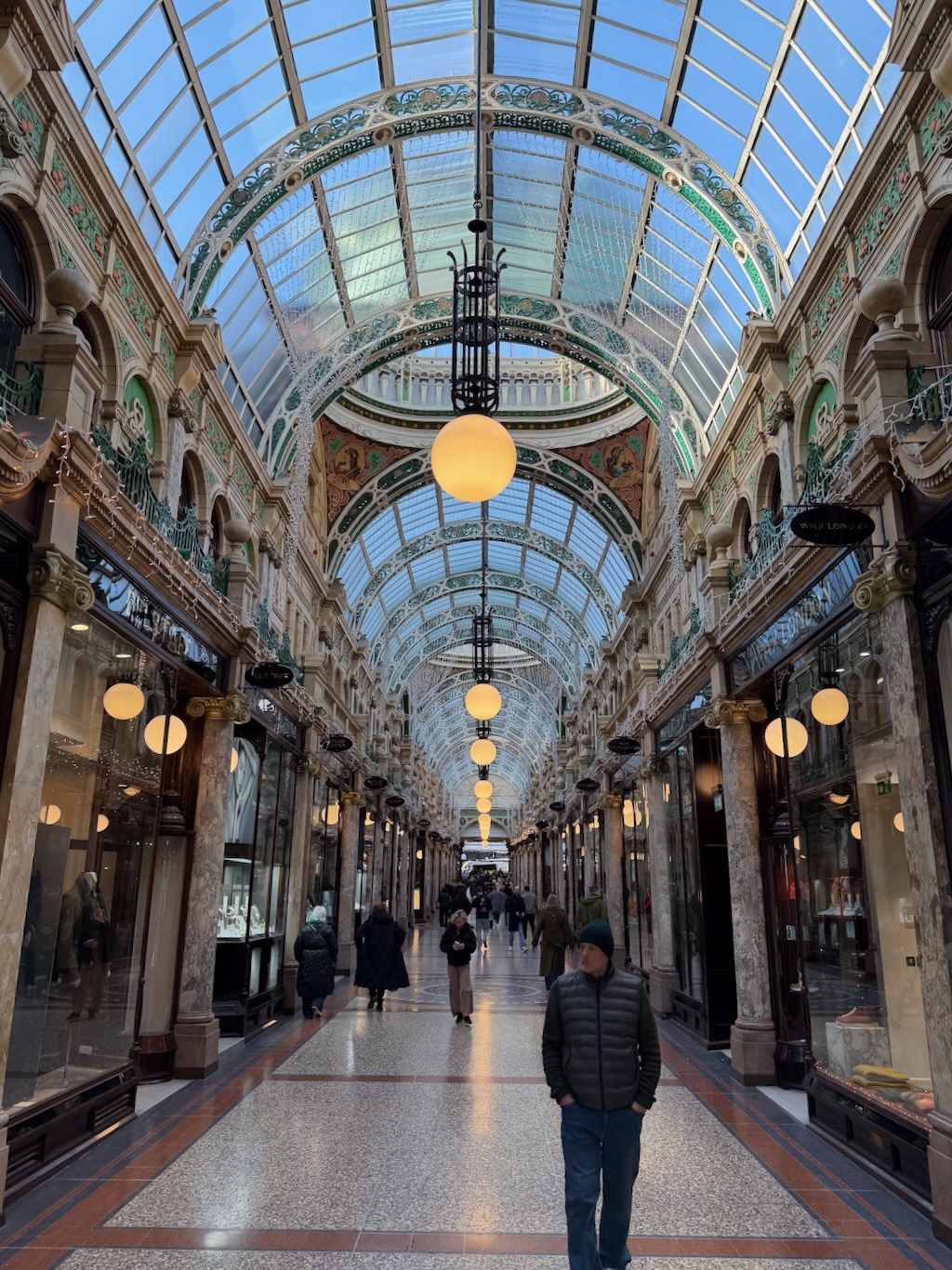
The contrast is striking. Victoria Gate represents the modern face of Leeds shopping, with its geometric design and contemporary architecture. Just around the corner, the Victorian arcades feel like stepping into a different era.
The Victoria Quarter is particularly impressive. Its ornate shopfronts, decorative ironwork, marble and stained glass make it one of the most beautiful shopping areas I’ve encountered in Britain.
It’s worth visiting even if you’ve no intention of buying anything. In fact, some of the most interesting things are above eye level, where the elaborate ceilings and architectural details are easily overlooked.
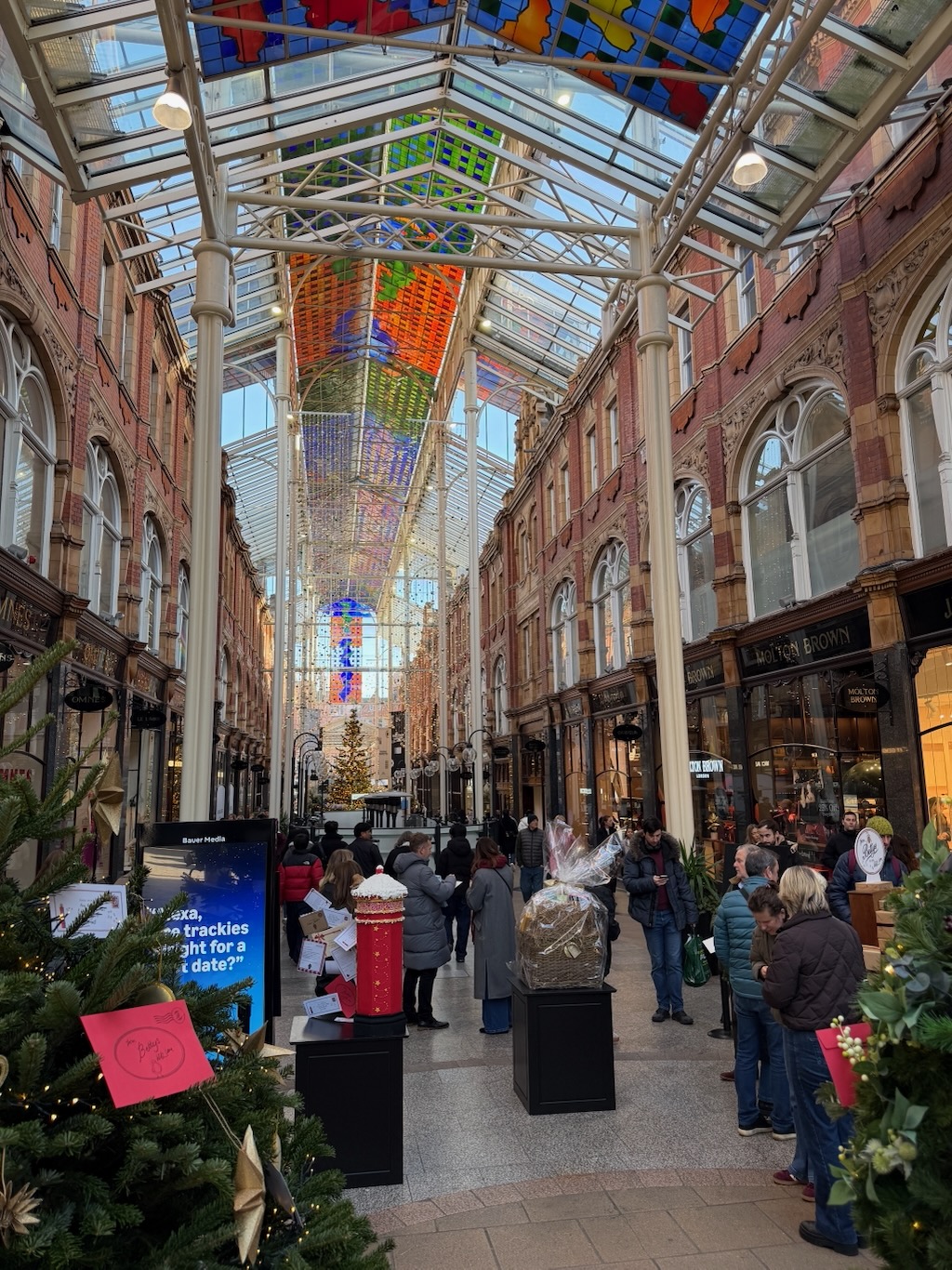
There is a confidence about these buildings that says a great deal about the wealth and ambitions of Victorian Leeds. They were designed to impress, and more than a century later, they still do.
For anyone looking for things to do in Leeds in a day, I’d put the arcades high on the list. They’re centrally located, free to explore and offer something quite different from the shopping streets found in most British cities.
Leeds Art Gallery and Steve McQueen’s Resistance
Our next stop was Leeds Art Gallery, a short walk from the shopping arcades.
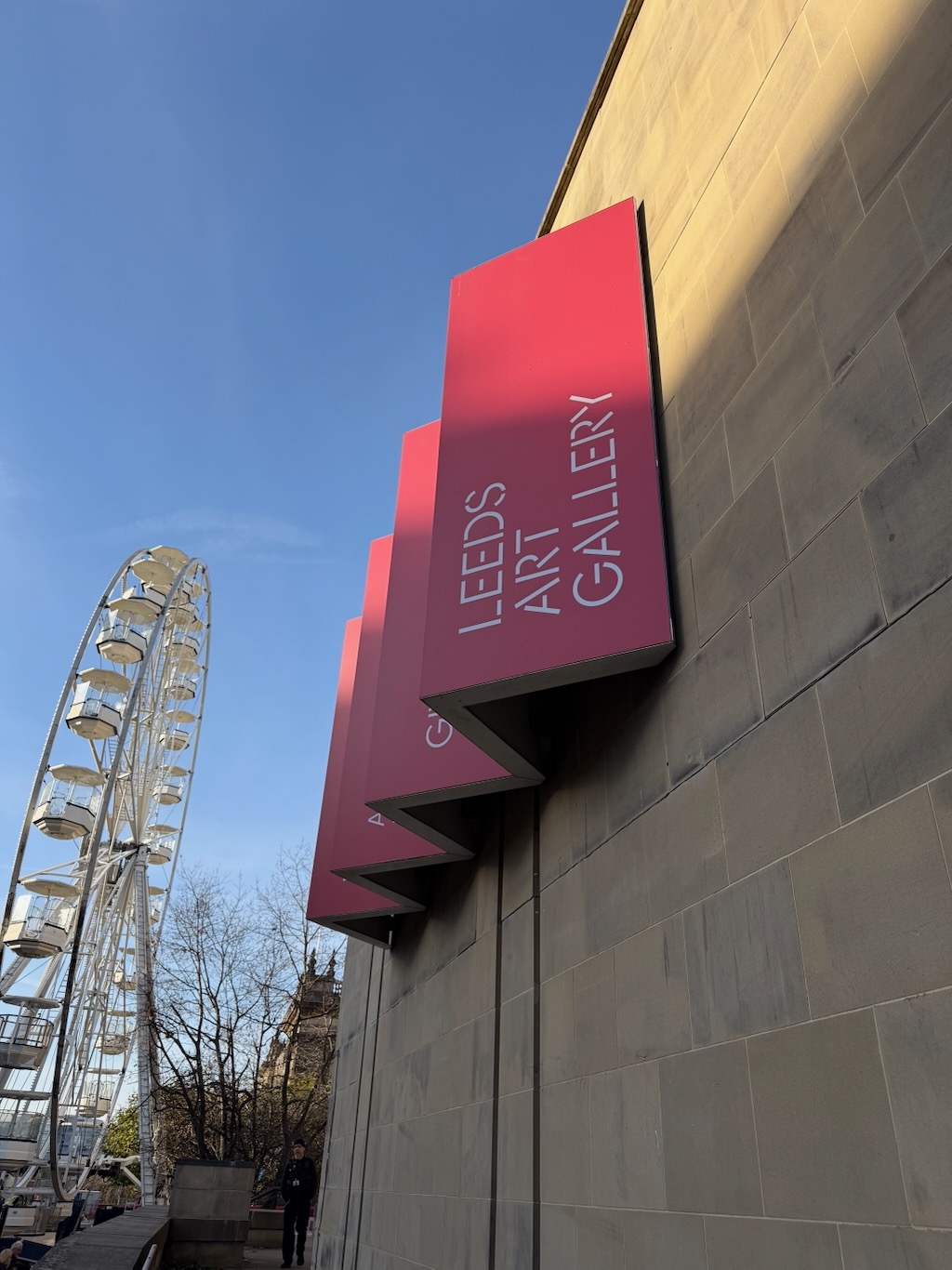
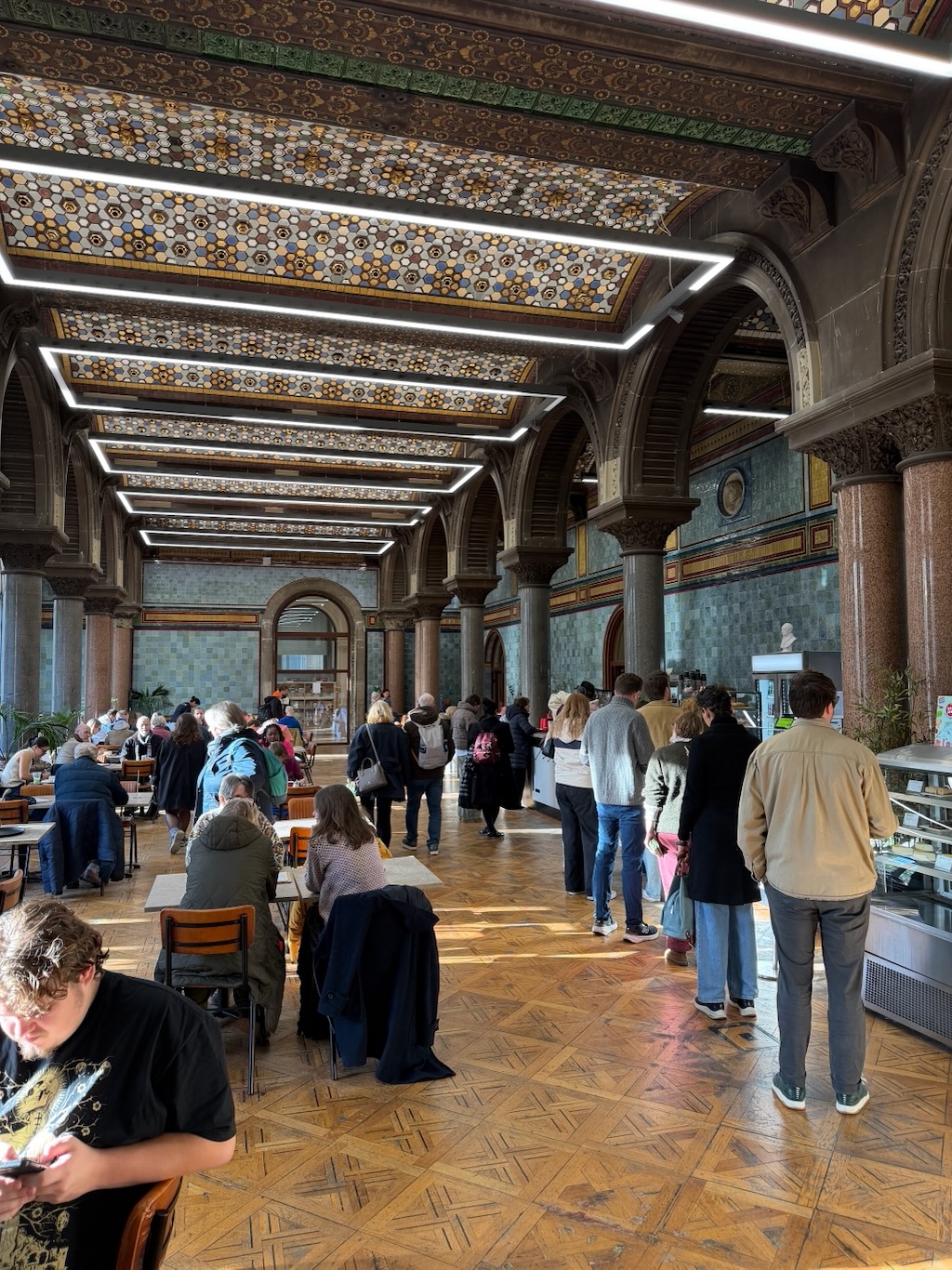
The building is worth visiting in its own right, particularly the beautiful Tiled Hall, but it was an exhibition entitled Resistance that really caught my attention.
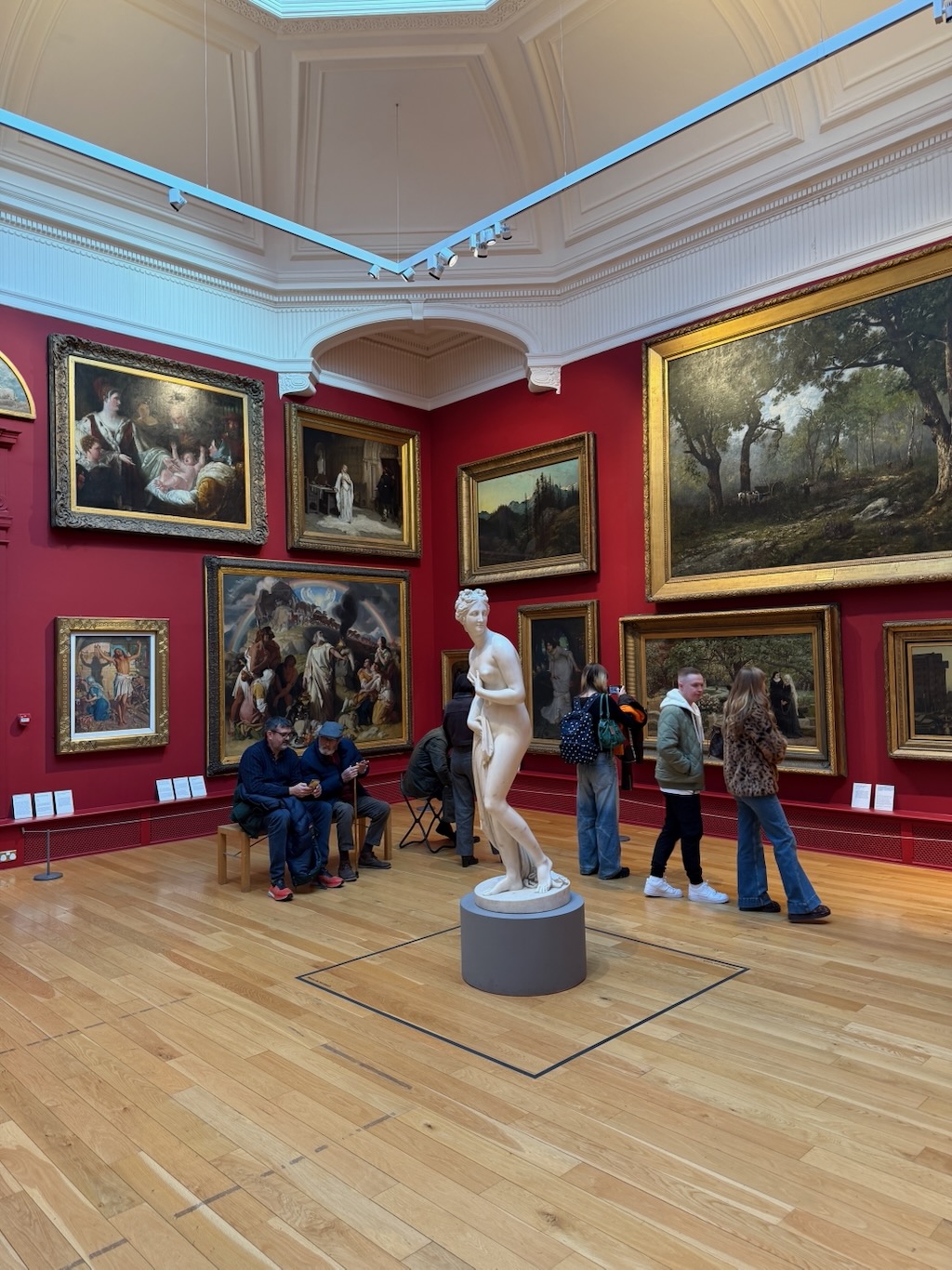
Conceived by the artist and filmmaker Steve McQueen, Resistance: How Protest Shaped Britain and Photography Shaped Protest explores a century of protest in Britain, from the suffragette movement in 1903 to the demonstrations against the Iraq War in 2003.
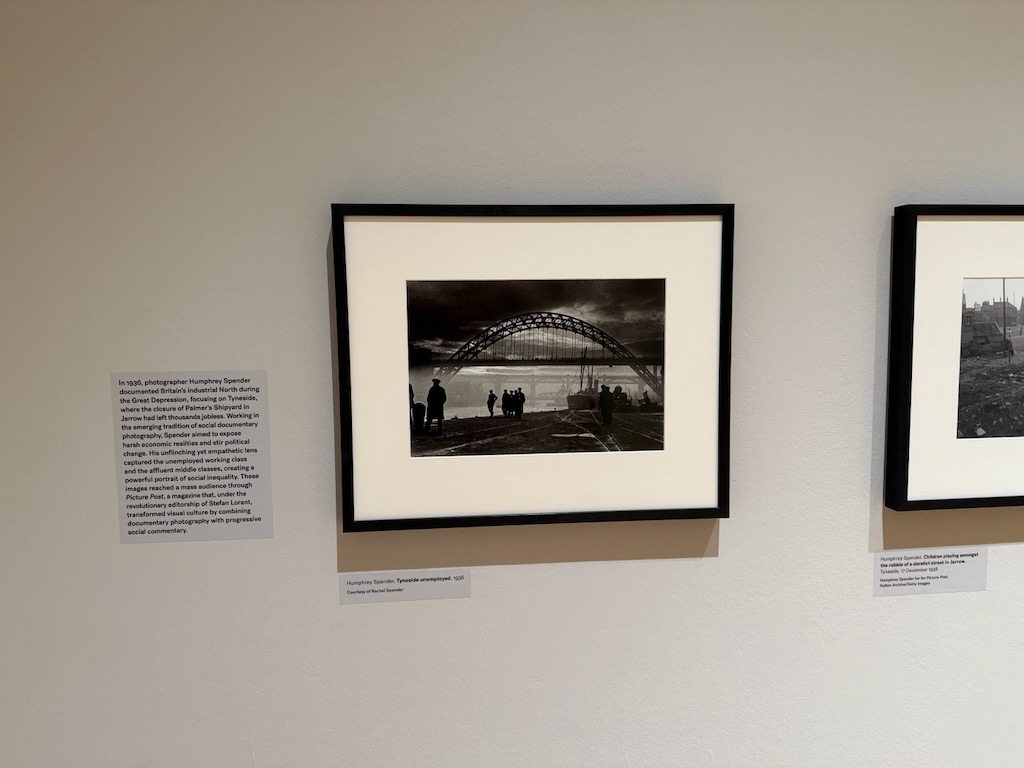
The exhibition brings together photographs of ordinary people challenging authority, demanding change and confronting injustice. Some document events that are now firmly established in our understanding of British history. Others reveal struggles and individuals who have received far less recognition.
What makes the exhibition particularly effective is the photography itself. These aren’t simply illustrations accompanying a history lesson. The photographs are part of the story, recording moments that might otherwise have been forgotten and, in some cases, helping to influence public opinion.
There is something very different about standing in front of an image of people protesting decades ago, looking at their expressions and realising how much was at stake for them.
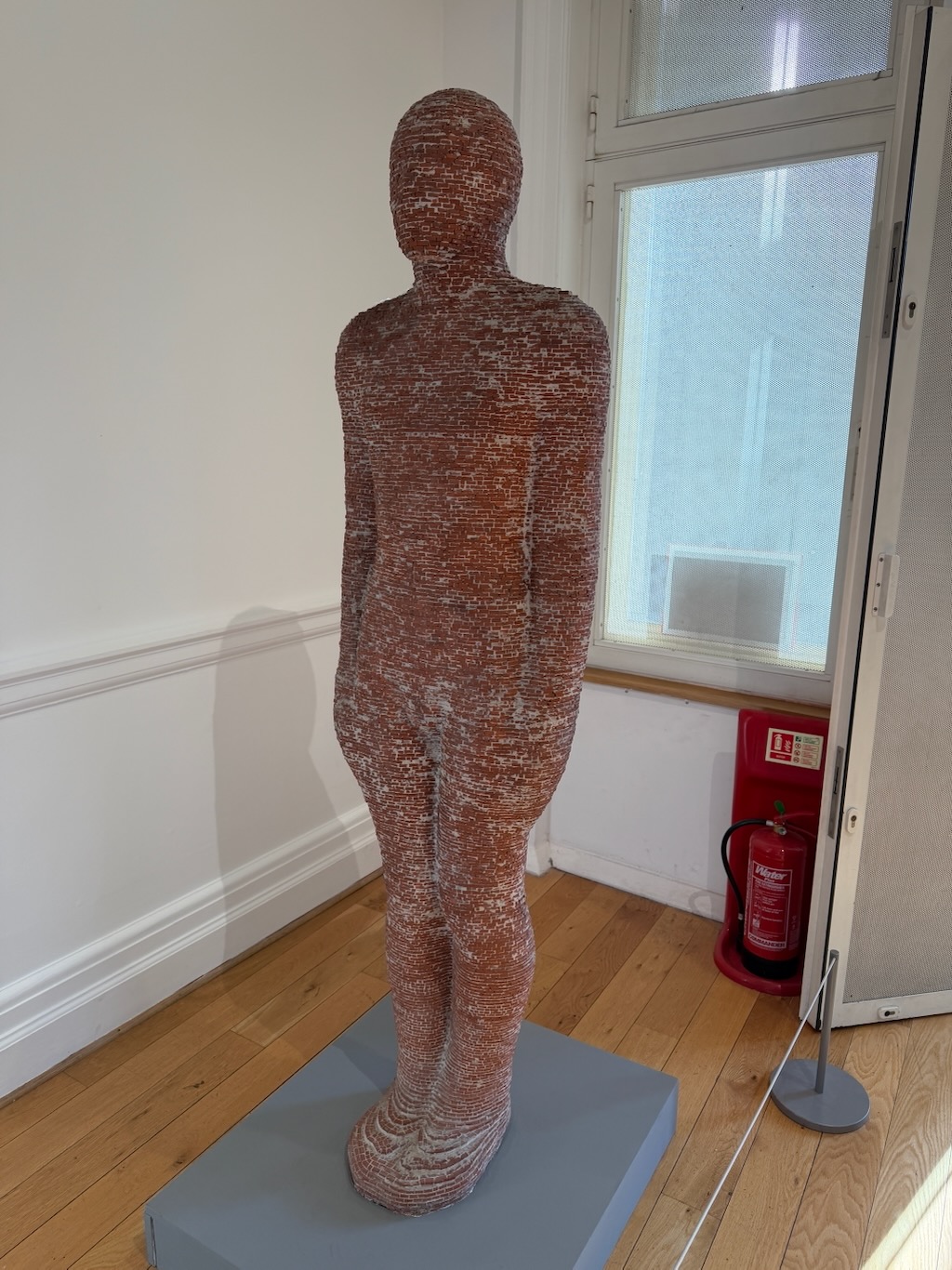
Reclaim the Night: a photograph that still matters
One photograph stayed with me more than any other. It concerned the Reclaim the Night movement, which held its first marches in Britain in November 1977, including in Leeds.
At the time, the Yorkshire Ripper murders had created enormous fear, and women were being advised to restrict their movements to protect themselves. Reclaim the Night challenged the idea that women should have to surrender their freedom to walk safely through public spaces.
The message was simple: the problem was violence against women, not women being out after dark.
Looking at that photograph almost fifty years later, I was struck by how contemporary its message remains.
Just four weeks before our visit, on 17 October 2026, Nike organised its After Dark 10K in London. Around 5,000 women ran together at night, following a route through the Royal Docks and even along the runway at London City Airport.
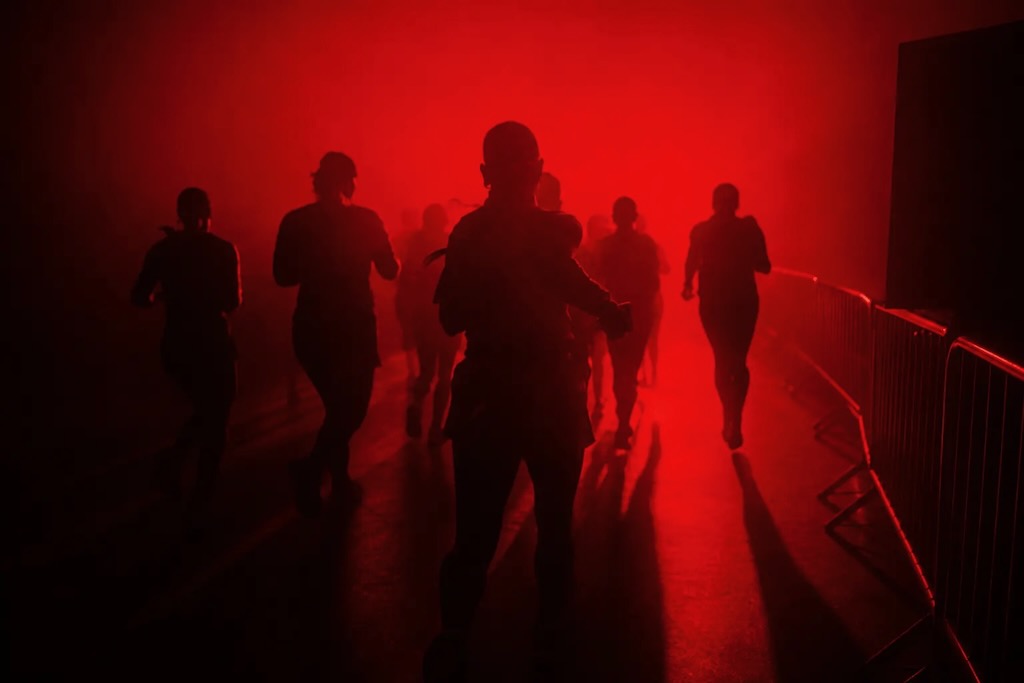
Nike’s message was about women reclaiming the night through running, confidence and community. The connection with the women marching through Leeds in 1977 is striking.
Almost half a century separates these events, yet both concern women’s freedom to occupy public spaces after dark. In Leeds, women were protesting against violence and restrictions on their movements. In London, thousands came together to celebrate the freedom and confidence of running at night.
Of course, a carefully organised running event is different from a protest march, and Nike’s event was a celebration rather than a direct response to the events of 1977. But the shared language of reclaiming the night is difficult to ignore.
We still hear about women avoiding certain streets, travelling in groups, sharing their locations and taking precautions when returning home at night. Violence against women and girls remains a major national concern, and the question of who feels safe in public spaces has certainly not disappeared.
The image raises an uncomfortable question. How much progress have we really made if women are still expected to adapt their behaviour to the threat of violence?
It also says something about the importance of protest. The women in those photographs weren’t simply documenting their dissatisfaction. They were challenging attitudes that had become accepted as normal.
That connection between the past and present is what makes Resistance such a compelling exhibition. It’s easy to look at historical photographs and assume that the problems they depict belong to another age. Sometimes the most striking thing is how familiar those problems remain.
Seeing this particular history in Leeds, where one of the original marches took place, added another dimension.
I had expected to spend the day admiring beautiful buildings and discovering more of the city. I hadn’t expected to leave thinking quite so much about a photograph from 1977.
Steve McQueen: Resistance is at Leeds Art Gallery until 25 April 2027. If you’re visiting Leeds before then, I’d strongly recommend making time for it.
Leeds Town Hall, City Museum and the cathedral
Leaving the gallery, we continued exploring the civic heart of Leeds.
Leeds Town Hall is another remarkable example of the city’s Victorian ambition. Opened in 1858 and also designed by Cuthbert Brodrick, it was intended to reflect the prosperity and growing importance of Leeds.
Even viewed from outside, its scale and architecture make quite an impression.
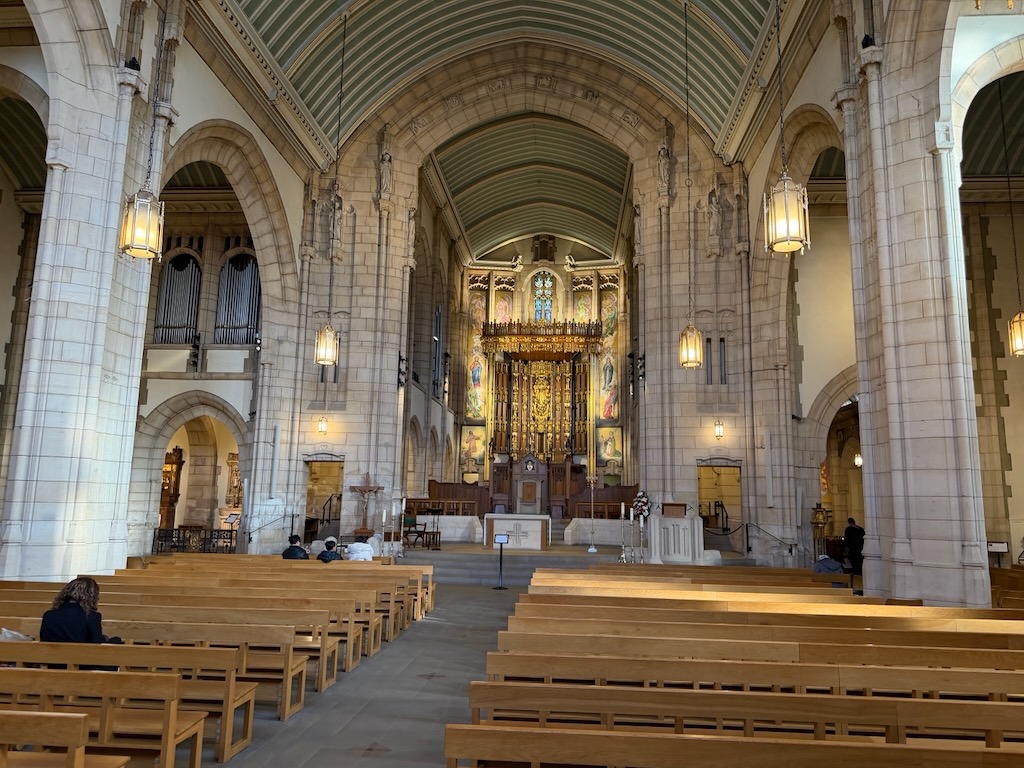
Nearby, Leeds City Museum and Leeds Cathedral offer further opportunities to explore the city’s history and heritage. The cathedral provides an interesting contrast to the grand civic buildings, while the museum occupies another imposing building in Millennium Square.
One of the pleasures of central Leeds is how many of these places are within a relatively compact area. There’s no need to spend the day travelling from one attraction to another. Much of the city can be explored on foot, with interesting buildings and streets appearing between the main sights.
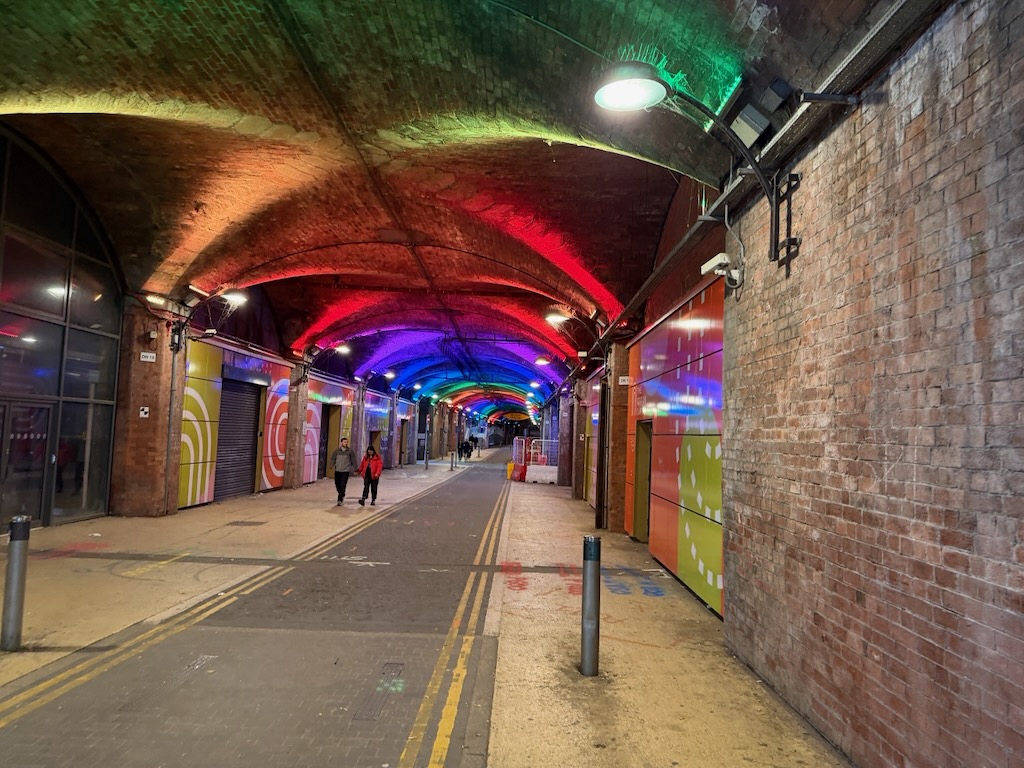
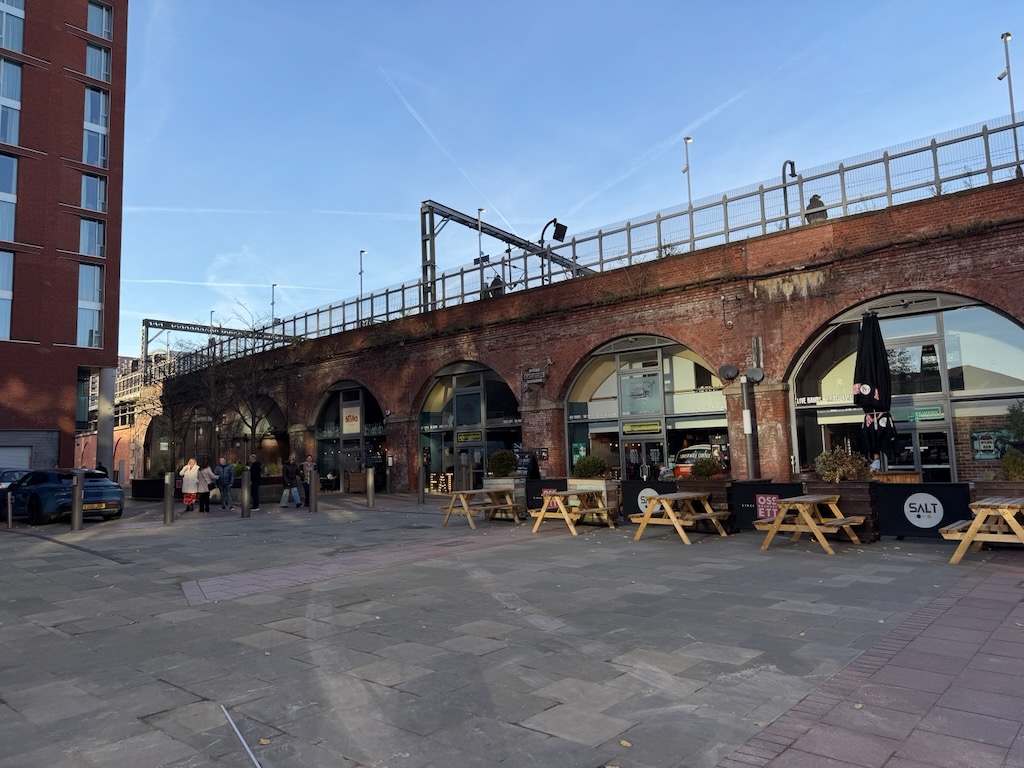
We also noticed the ongoing transformation of some of Leeds’ older railway arches and industrial spaces. It’s a reminder that the city isn’t simply preserving its past but continually finding new uses for it.
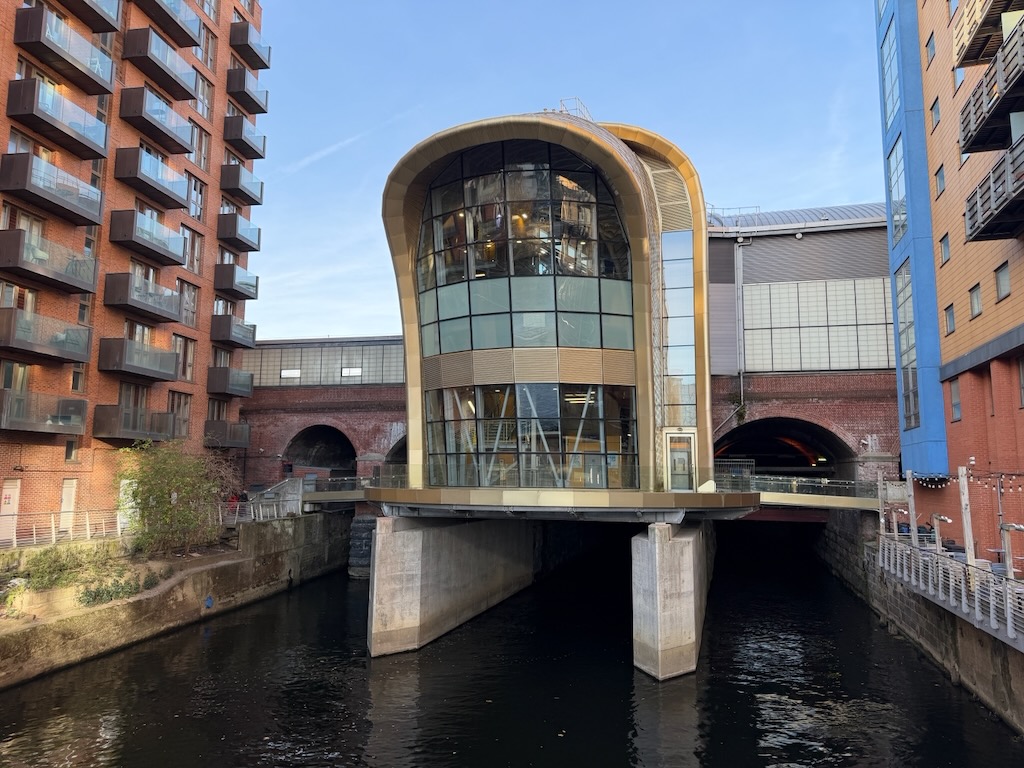
What interests me is how the railways connect places and communities, shaping not just how people travel, but how cities develop. In Leeds, that connection remains visible in the older railway arches, now finding new purposes as the city continues to evolve.
Is Leeds worth visiting for a day?
Very much so.
Leeds has an impressive concentration of Victorian architecture, historic markets, shopping arcades, museums and galleries. It’s also an easy city to explore on foot, particularly if you’re arriving by train.
For a day trip, I’d recommend allowing time for the Corn Exchange, Kirkgate Market and Victoria Quarter, followed by Leeds Art Gallery and the civic buildings around Millennium Square. There’s comfortably enough to fill a day without needing to rush.
But what made this visit memorable wasn’t simply the number of places we saw.
It was the contrast between the Leeds of Victorian wealth and ambition, the modern city continuing to develop around it, and the people whose struggles have helped shape the Britain we live in today.
THE SLOW TRAIN
Enjoying The Hungry Passenger?
The Slow Train is my monthly email about food, railways and the stories found along the way. Find out more about The Slow Train and join the next departure.
The architecture was magnificent, the markets were full of character and the arcades were a pleasure to explore. Yet it was a photograph documenting women demanding the right to walk safely through their own streets that stayed with me.
That’s one of the reasons I enjoy these Mini Misogis. You set out to discover somewhere new, but occasionally come home having encountered something that makes you think differently.
And Leeds certainly delivered on that.
If you know somewhere in Leeds that deserves a visit, I’d love to hear about it. Some of the best discoveries come from recommendations.
🚂 Follow the journey
🍽️ Stephen Plume writes about food, trains, and the people in between.
🚆 The Slow Train: Monthly rail stories. Join for my vetted regional food lists
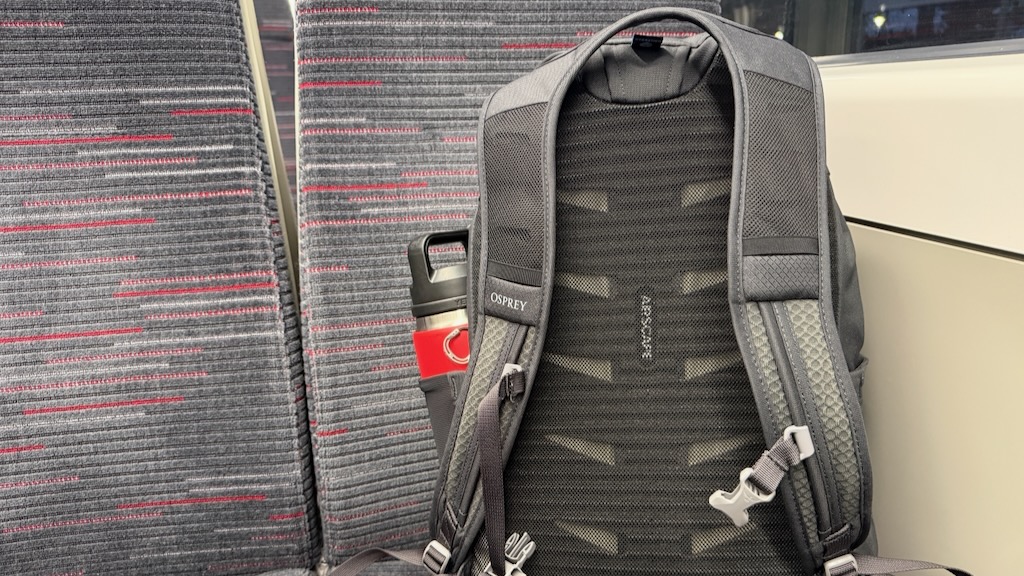
🧳 Travel Kit: Curious about what I pack for the rails? See the list here

Leave a Reply