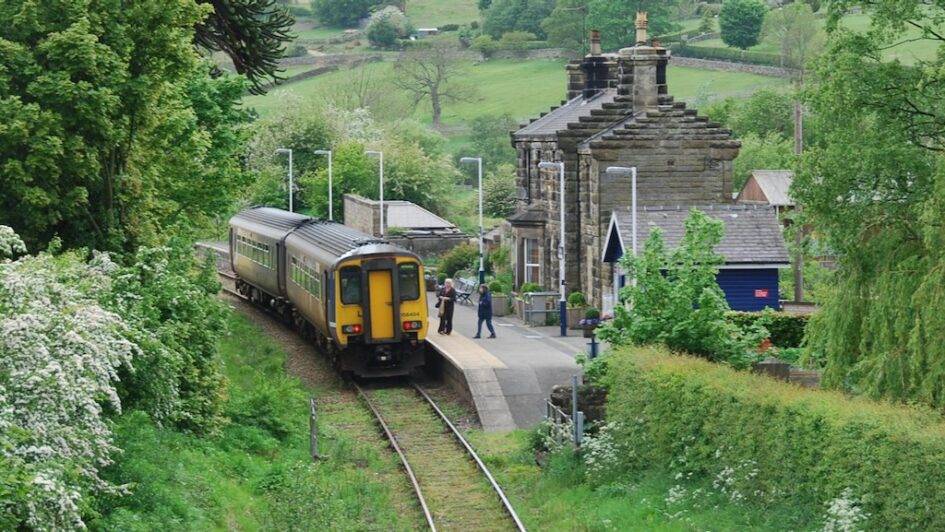
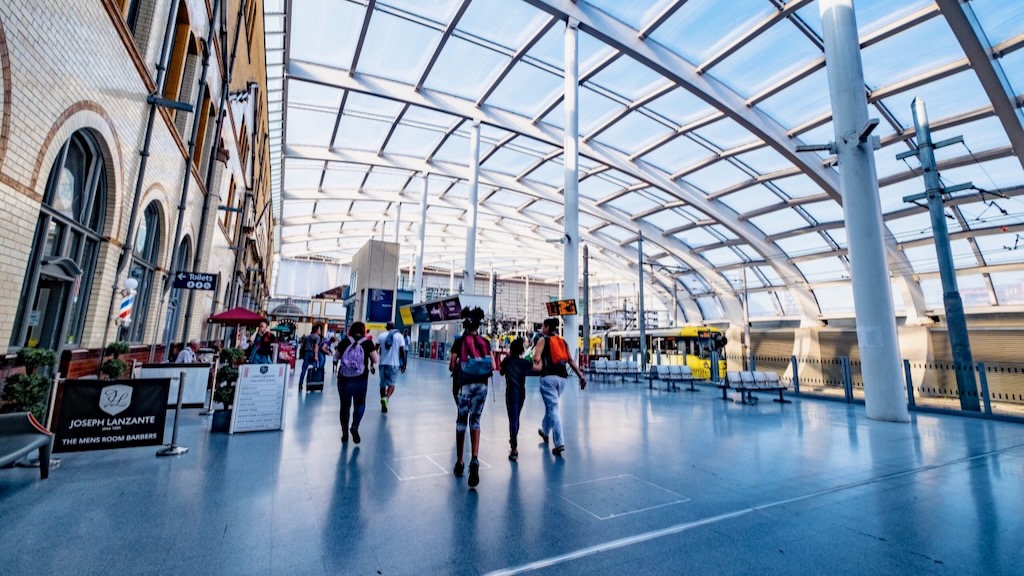
There is a moment that almost every rail traveller knows. You step off the train, walk through the barrier, or perhaps there isn’t one. The place you actually want to reach is two miles away, there is no bus, there is no taxi rank and it is too far to walk comfortably with a bag, and Ubers are only in dreams here. You are close, but not quite there.
This is known as the last mile problem. The rail industry gets you to the station. After that, you are largely on your own.
How big is the gap?
According to the Office for National Statistics, 57% of people in England and Wales can walk to their nearest railway station within 30 minutes. That is a remarkable figure and a genuine testament to the reach of the network. But it also means that 43% cannot. And even for those who can reach their departure station on foot, the arrival station is a different calculation entirely.
The network delivers you. What happens next is your problem.
What currently exists
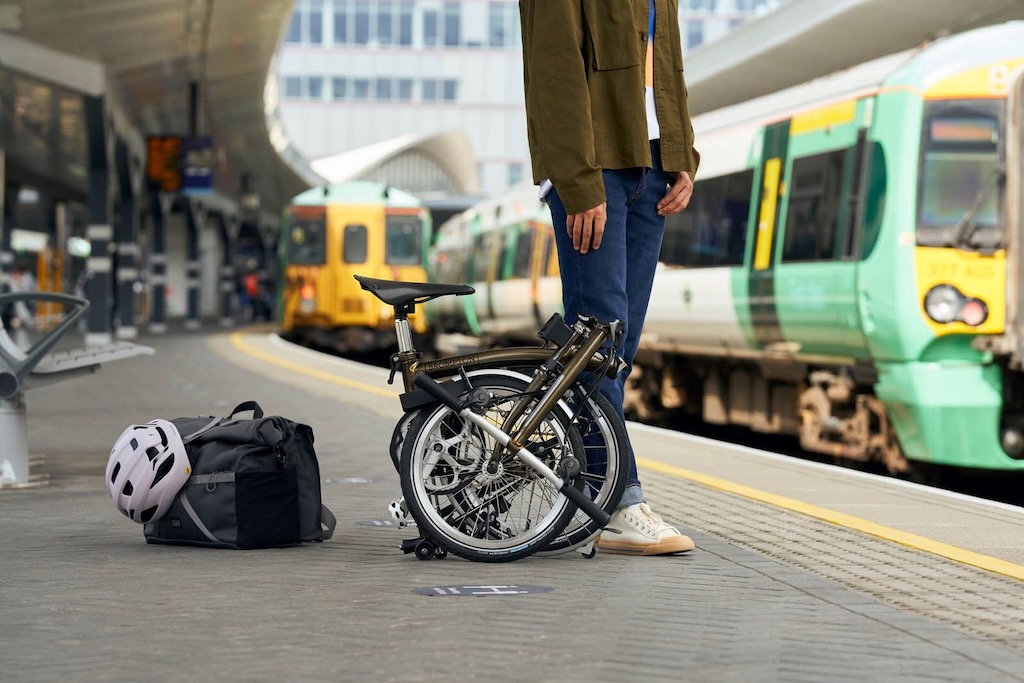
The most obvious solution is the bicycle. Many stations now offer cycle hire schemes, and the growth of e-bikes has made longer last mile distances more manageable. Folding bikes, particularly the Brompton, have built an entire culture around exactly this problem. You board the train with the bike, fold it under the seat, and ride the last mile at the other end. It is elegant in theory. In practice, you need to own one, know how to use it, and be somewhere that the roads make it feel safe.
Bus connections exist at larger stations but can evaporate at smaller ones. Glastonbury has no direct public transport link to Castle Cary, its nearest station, twelve miles away. A dedicated charity, Glastonbury TrainLink, exists solely to campaign for one. Without it, the journey takes around two hours by indirect bus. By car it takes thirty minutes. That is not an edge case. That is the everyday reality for communities that the rail network reaches but does not quite serve.
Taxi apps work in cities. In smaller towns the wait can stretch to an hour and the driver may be coming from somewhere you have never heard of.
Where the gaps are sharpest
The last mile problem hits hardest at three kinds of station. Rural halts where the village is a mile from the platform with no pavement. Market towns where the station was built on the edge of the settlement and the centre never came to meet it. And suburban stations surrounded by roads that were designed for cars and have never been redesigned for anything else.
Older travellers, those without smartphones, and visitors unfamiliar with an area feel it most acutely. The network reaches them. The last mile does not.
What could change
The answers are not always obvious but they exist. Cycle hire schemes at stations have quietly expanded and are worth checking before you travel. Demand responsive transport, where a minibus comes to you rather than running a fixed route, is beginning to appear in unexpected places. In Norfolk it serves Swaffham and twenty surrounding villages. In the Scottish Highlands, an electric on-demand minibus called the Wee Bus runs in the Black Isle. And the folding bike, particularly the Brompton and the new generation of electric folders, has made the last mile genuinely solvable for anyone willing to carry one. None of these are perfect. But together they are beginning to sketch the outline of something that works.
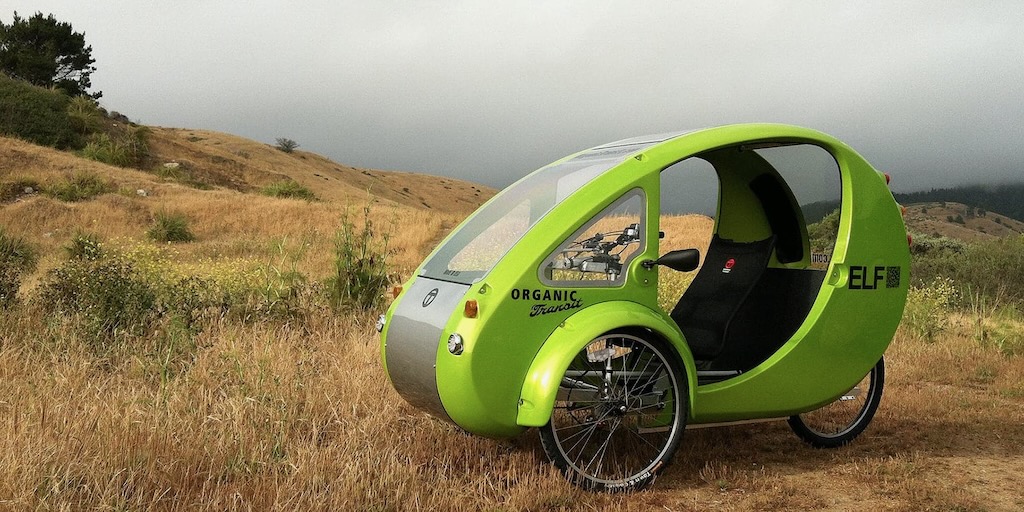
For those willing to look further ahead, a newer option is beginning to emerge. The ELF, made by Organic Transit, is a solar-assisted pedal vehicle designed precisely for short urban and peri-urban journeys. It is not a bicycle and not a car. It sits in the gap between them, which is exactly where the last mile lives.
Infrastructure investment matters too. Secure cycle storage at stations, better walking route signage, and real-time onward connection information would collectively make a significant difference without requiring new technology at all.
The Campaign for Better Transport and Sustrans have both identified the last mile as a critical barrier to rail travel growth. With passenger numbers projected to grow by between 37% and 97% by 2050, solving it is not a niche concern. It is the difference between a network that almost works and one that actually does.
The last mile problem is not going away on its own. But it is being noticed, discussed, and in places, quietly solved. The Slow Train will be following this conversation as it develops. If you want to be part of it, you can join below.
🚂 Follow the journey
🍽️ Stephen Plume writes about food, trains, and the people in between.
🚆 The Slow Train: Monthly rail stories. Join for my free vetted regional food lists
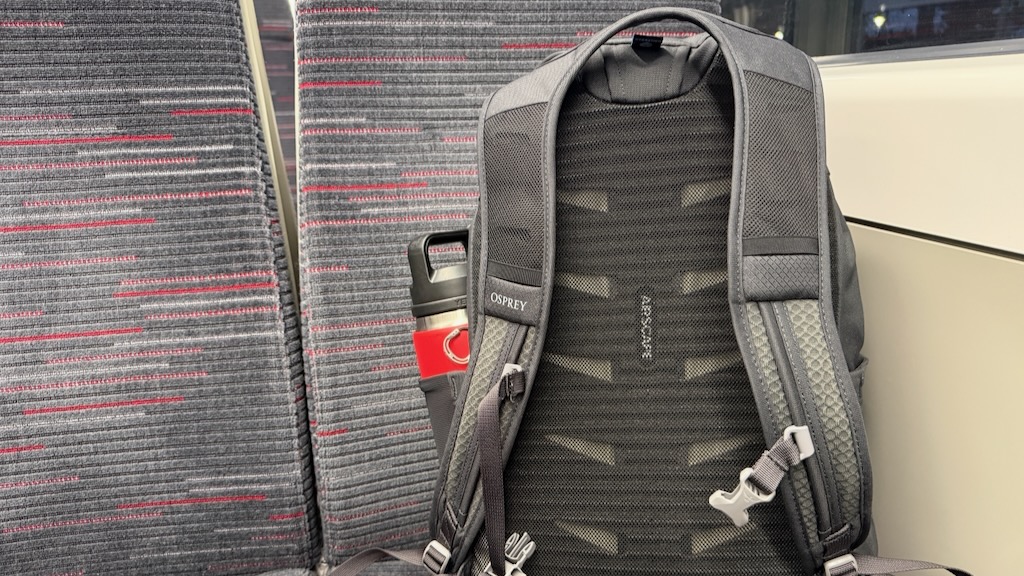
🧳 Travel Kit: Curious about what I pack for the rails? See the list here
Leave a Reply