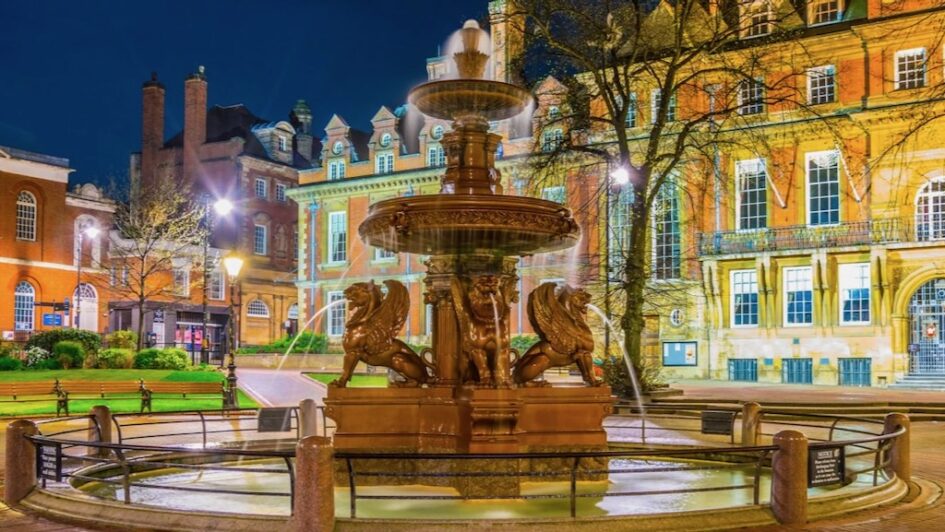
Stepping off the train at Leicester, you sense immediately that this city has more going on than it first lets on. The station is central and confident, the streets wide and walkable, and within minutes you realise you have arrived somewhere with genuine layers. Medieval kings lie buried here. The finest South Asian food outside London is served here. And somewhere between the two, a city gets quietly on with being one of the most culturally rich stops on the Midlands rail network.
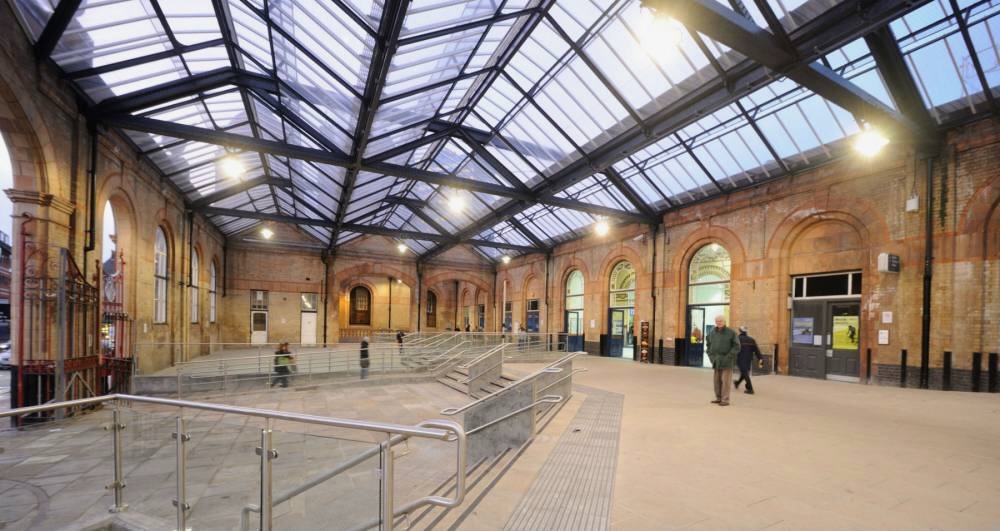
Whether you have come from St Pancras on a fast East Midlands Railway service or arrived cross-country from Birmingham, Leicester rewards the decision to stop.
Arrival and first impressions
Leicester station sits on the southern edge of the city centre, a comfortable ten minute walk from the historic core. The approach up London Road is straightforward and unhurried. You pass through a city that feels lived in rather than performed, where the architecture shifts from Victorian civic confidence to the independent streets and squares of the old town.
Why Leicester works as a destination
Leicester is one of the oldest cities in England, with Roman foundations and a medieval heart that remains surprisingly intact. The Cathedral Quarter, centred on St Martin’s, is the most rewarding place to begin. Wander the lanes around the cathedral, find the Guildhall on Guildhall Lane, and let the streets do the work. The city does not shout about its history. It simply keeps it.
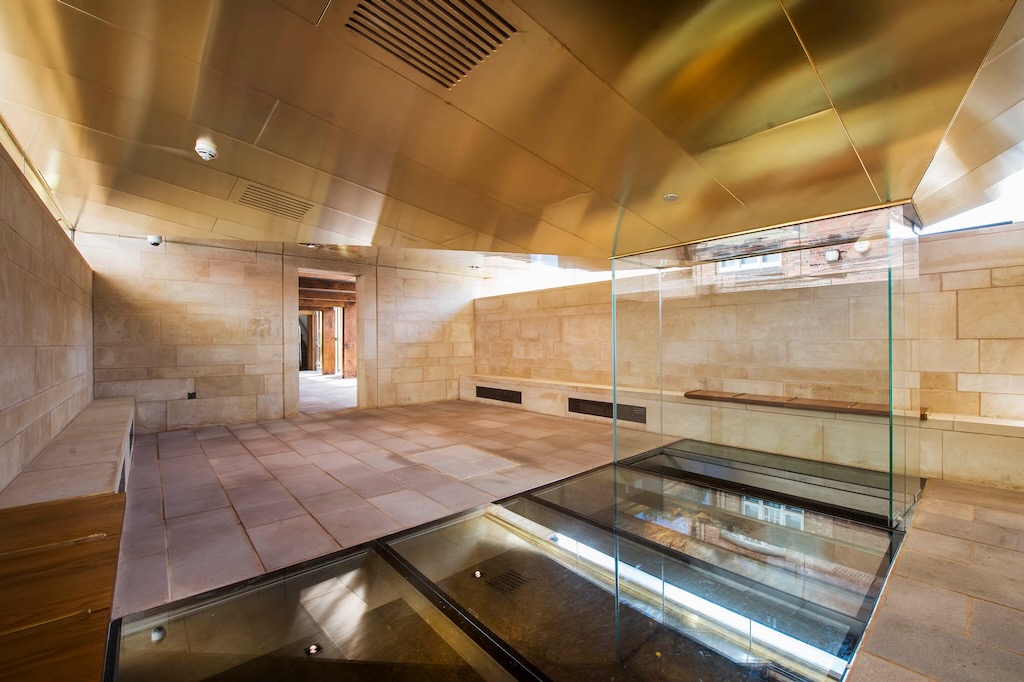
In 2012, archaeologists discovered the remains of Richard III beneath a Leicester car park, solving a five hundred year old mystery. The King Richard III Visitor Centre built on the site is genuinely world class, telling the story of the last Plantagenet king with precision and feeling. Leicester Cathedral, where he is reburied, is directly across the road. It is one of the most remarkable things you can do in any British city and it takes less than two hours.
For a longer walk, head north east from the centre toward Belgrave Road. The Golden Mile is one of the most extraordinary streets in Britain. Part of the ancient Roman Fosse Way, it is now lined with South Asian restaurants, sari shops, jewellers and sweet marts, many of them family run and here since the 1970s when their founders arrived from East Africa. It hosts the largest Diwali celebrations outside India. On any given day it hums with a colour and energy that is unlike anywhere else in the country.
Where to eat
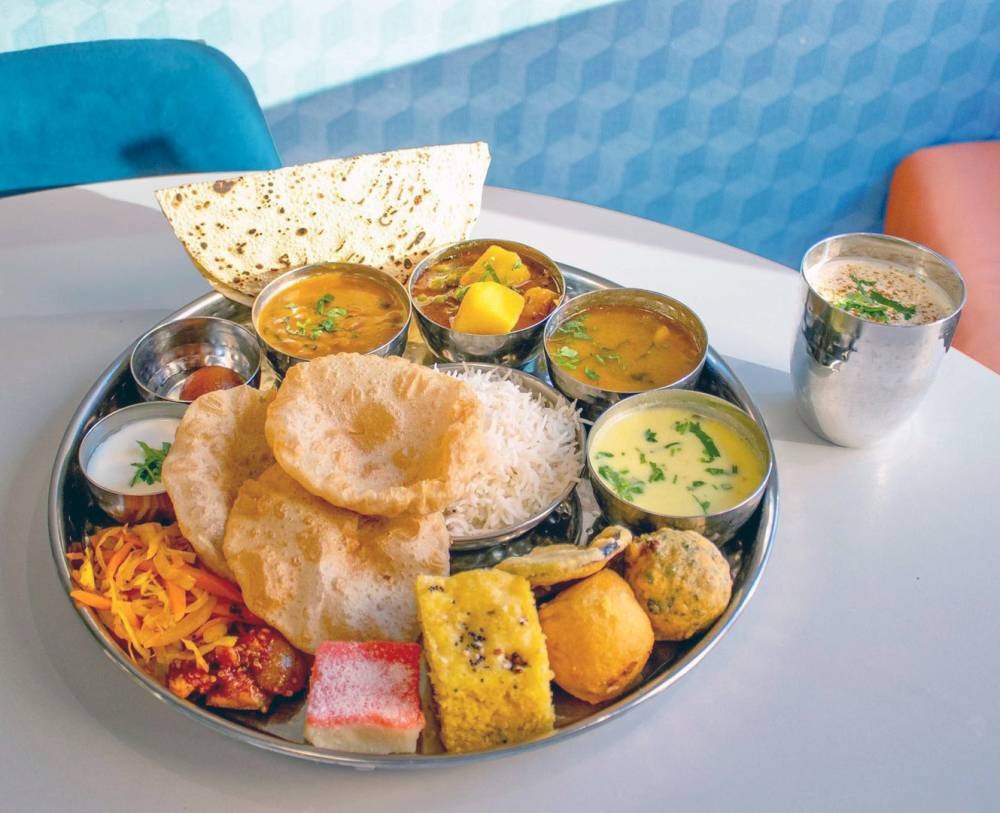
Leicester’s food story is inseparable from the Golden Mile, and Bobby’s on Belgrave Road is the place to begin. A Leicester institution since 1976, it is a purely vegetarian restaurant and sweet shop rooted in the East African Indian tradition. The dahi puris alone are worth the journey north of the city centre. Cash preferred, queues expected, entirely worth it.
Closer to the station, Kayal on Granby Street is a specialist Keralan restaurant with a focus on coastal seafood dishes. The meen pollichathu, sea bass wrapped and cooked in banana leaf, is one of the most distinctive plates of food you will find in the East Midlands. It is consistently busy and consistently good.

For something more settled, Oggi on London Road sits a five minute walk from the station and has been serving classic Italian cooking in Leicester for over a decade. The menu is straightforward and honest, the kitchen takes its time, and the room fills up on weeknights for good reason. A calm place to end a day that has already given you a lot.
Journey times
- London St Pancras: around 1 hour 15 minutes on East Midlands Railway.
- Birmingham New Street: around 55 minutes.
- Nottingham: around 25 minutes.
- Sheffield: around 1 hour.
- Cambridge: around 1 hour 30 minutes.
🚂 Follow the journey
🍽️ Stephen Plume writes about food, trains, and the people in between.
🚆 The Slow Train: Monthly rail stories. Join for my vetted regional food lists
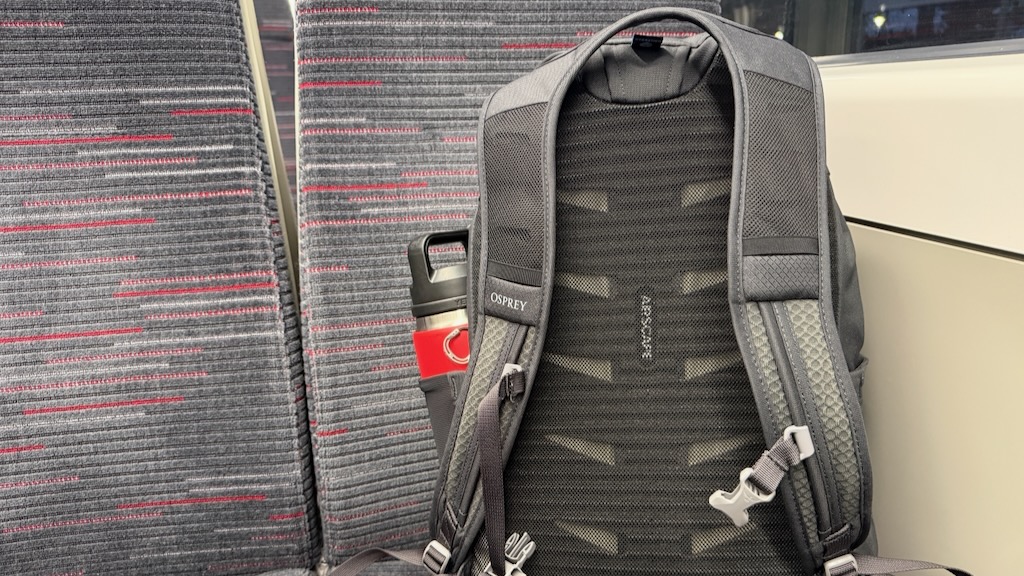
🧳 Travel Kit: Curious about what I pack for the rails? See the list here

Leave a Reply