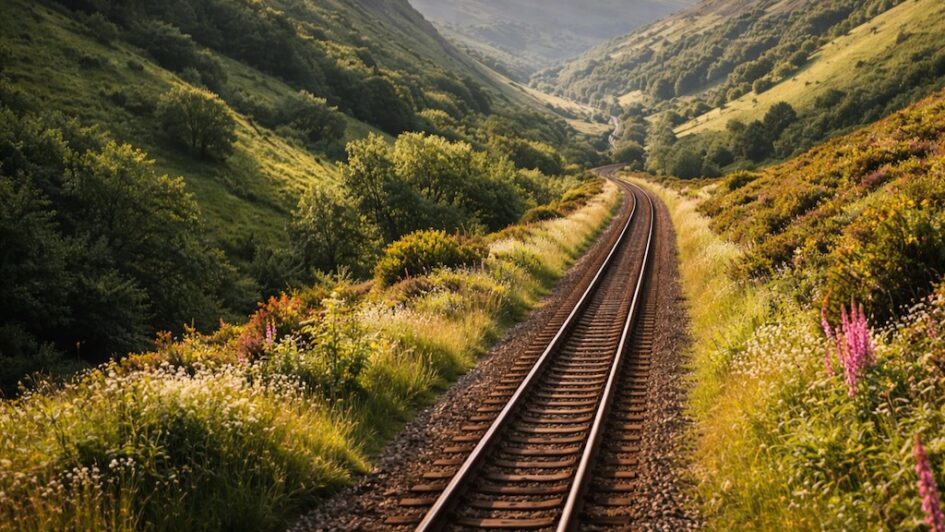
Ask a group of regular rail travellers where the best seat on a train is and you’ll probably hear several different answers. Some will choose an aisle seat for the extra freedom. Others will head for a table so they can work or enjoy lunch. A few will make a beeline for the quiet coach. For me, however, there has only ever been one answer.
The window seat.
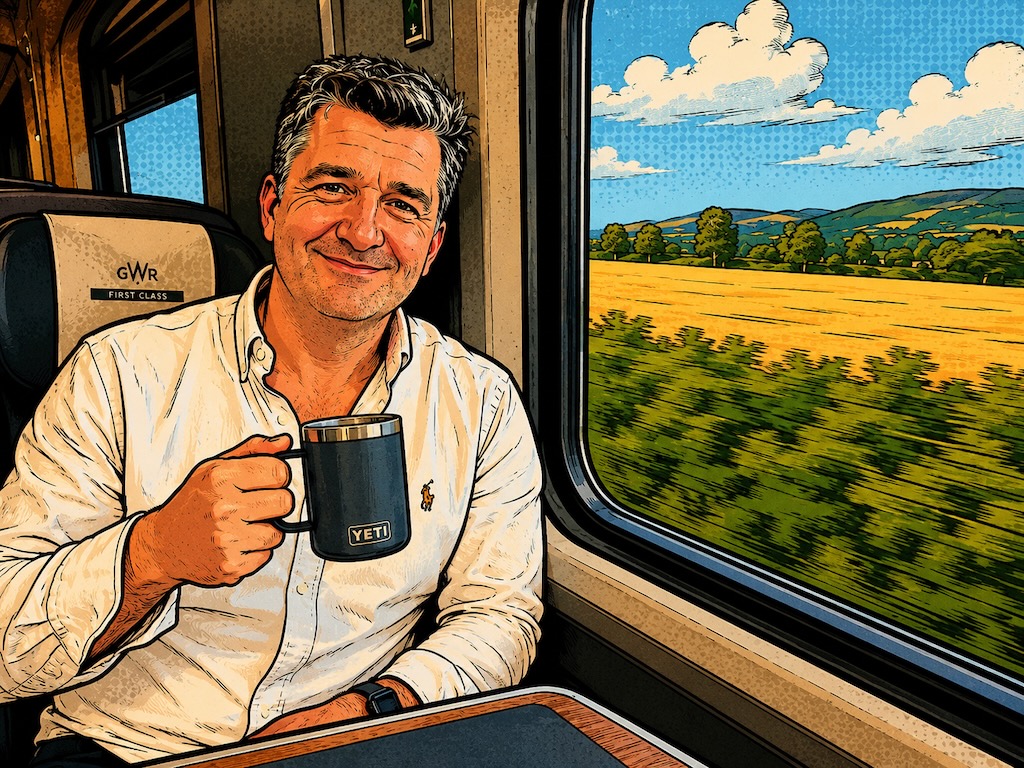
It is an odd thing to become attached to. After all, most train seats are remarkably similar. Some have more legroom than others, a few are softer, and occasionally you’ll find one with a particularly convenient plug socket. Yet none of those things are what make a memorable train journey. The greatest luxury on any railway has never been found inside the carriage. It has always been outside the window.
That is what makes train travel different.
Flying lifts us above the landscape until every town looks much the same. Driving demands our full attention and reduces the scenery to a peripheral distraction. Rail travel sits somewhere in between. It allows us to move quickly while still remaining connected to the places we pass through. From a train window, Britain unfolds naturally, revealing landscapes, communities and moments that most travellers never notice.
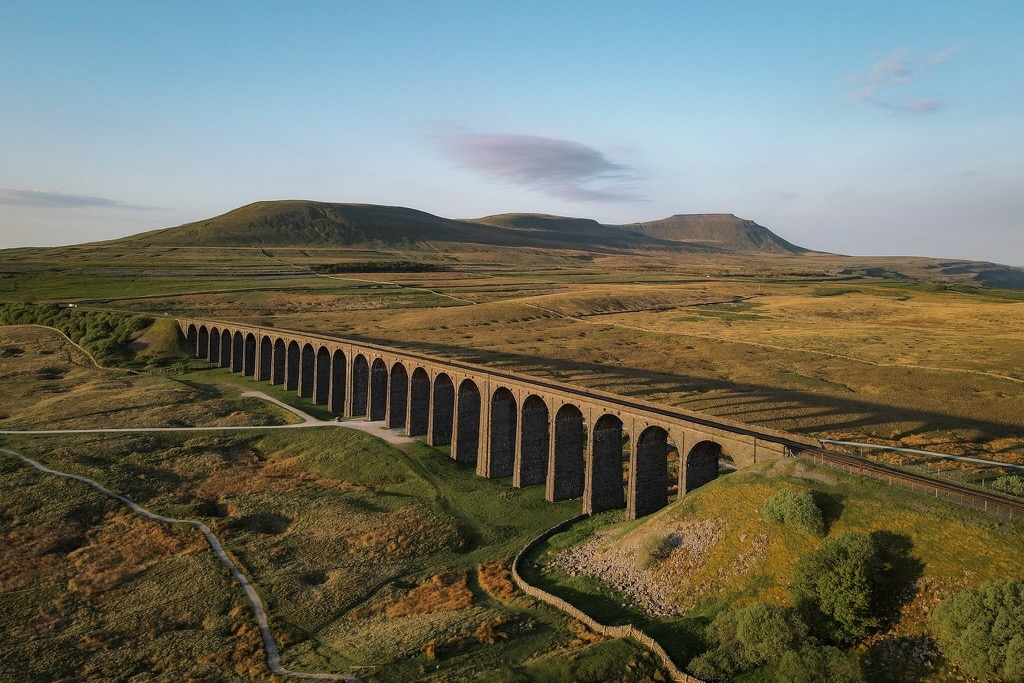
The obvious highlights are easy to name. The Settle and Carlisle offers Ribblehead Viaduct. The West Highland Line crosses Glenfinnan Viaduct before climbing into the Highlands. The journey through Dawlish follows the sea wall with waves breaking against the windows on stormy days. These are some of Britain’s most scenic train journeys, and rightly attract visitors from around the world.
The real pleasure, however, often lies between those famous views.
A train passes through the back of towns rather than the front. It follows rivers instead of motorways. It glides past allotments, churchyards, factory yards, football pitches, marinas and village stations that never appear in guidebooks. You catch glimpses of ordinary life that would be impossible to experience from any other form of transport. A family eating breakfast in a kitchen overlooking the railway. A narrowboat making slow progress along a canal. Children waving from a level crossing. None of these moments last for more than a few seconds, yet together they become part of the story of the journey.
That is why every train journey feels different, even when travelling the same route.
A railway line changes with the seasons. The yellow of oilseed rape disappears beneath the green of early summer before fields turn golden for harvest. Trees that hide villages in July reveal church towers in January. Rivers flood after heavy rain. Morning mist hangs over the countryside before disappearing as the sun climbs higher into the sky. Sit by the window often enough and the same route never really feels the same twice.
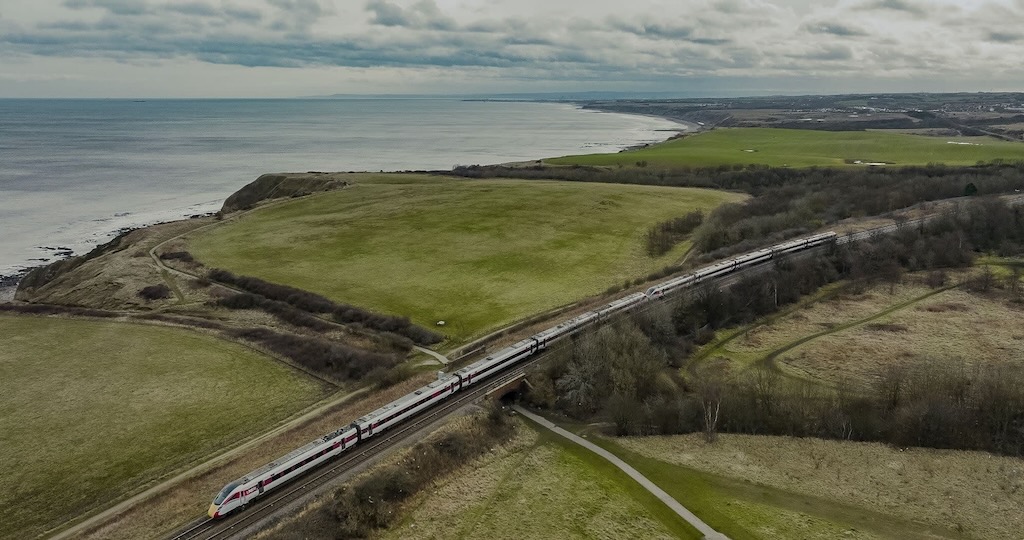
Perhaps this is also why long-distance train travel remains so appealing. A journey from London to Edinburgh, Penzance, Inverness or Aberdeen is not simply about reaching the destination. It gives you permission to slow down. There is time to read a book, enjoy lunch, watch the weather change or simply look outside. In a world that increasingly competes for every second of our attention, spending four or five hours watching the country pass by feels almost radical.
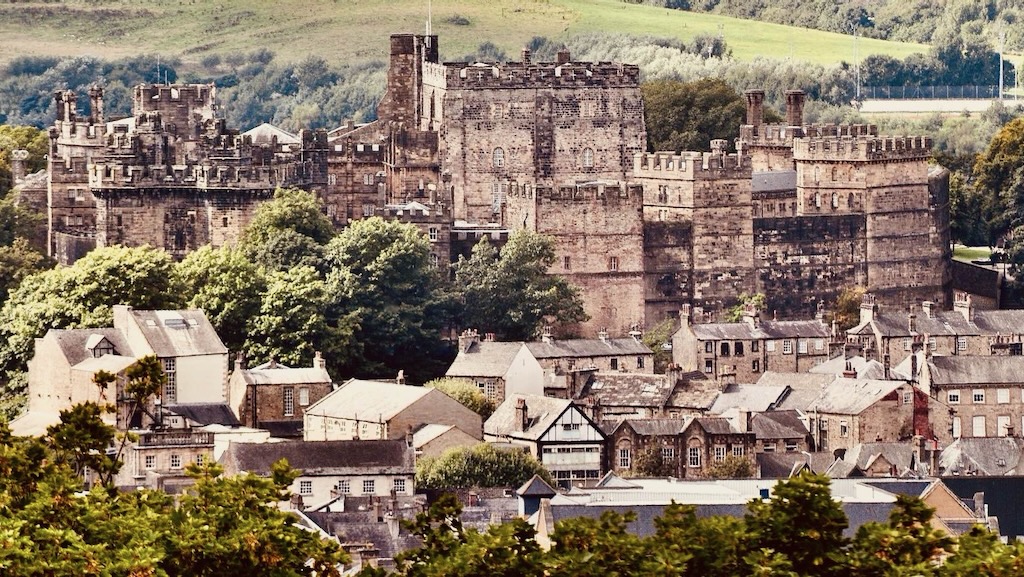
The best train journeys understand this instinctively. They are not remembered simply because they were fast or efficient. They stay with us because of what we saw along the way. A distant castle. A deserted platform. The first glimpse of the sea after hours inland. The moment the train rounds a curve and a completely different landscape appears beyond the glass.
None of those experiences can be planned.
They simply happen if you are looking.
Perhaps that is why I have never understood travellers who immediately pull down the blind or spend an entire journey looking at a phone or laptop. There is nothing wrong with catching up on work or replying to messages, but eventually the screen becomes much the same wherever you are. The view never does.
The railway has always offered something that roads and airports struggle to match. It allows us to become observers rather than participants. We are given a front-row seat to a country quietly getting on with its day, seen from an angle that few people ever experience.
The next time you book a train journey, by all means look for a table, a charging point or a quiet coach. They all have their advantages.
But if you have the choice, choose the window seat.
It is still the best seat on any train.
🚂 Follow the journey
🍽️ Stephen Plume writes about food, trains, and the people in between.
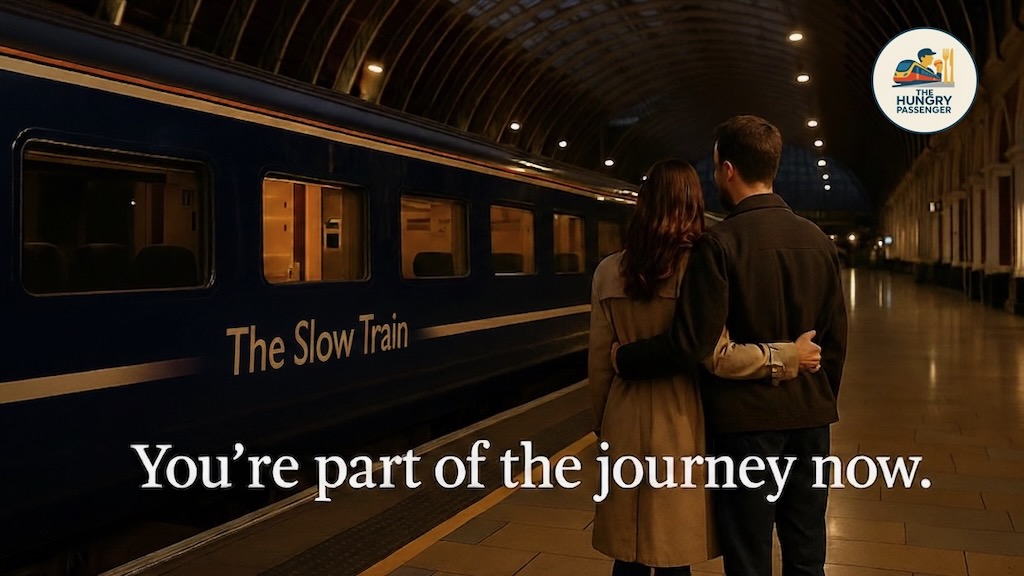
🚆 The Slow Train: Monthly rail stories. Join for my vetted regional food lists
🧳 Travel Kit: Curious about what I pack for the rails? See the list here
Leave a Reply