Some railways survive because they are useful.
Others survive because people fall in love with them.
The Settle and Carlisle Railway has managed both.
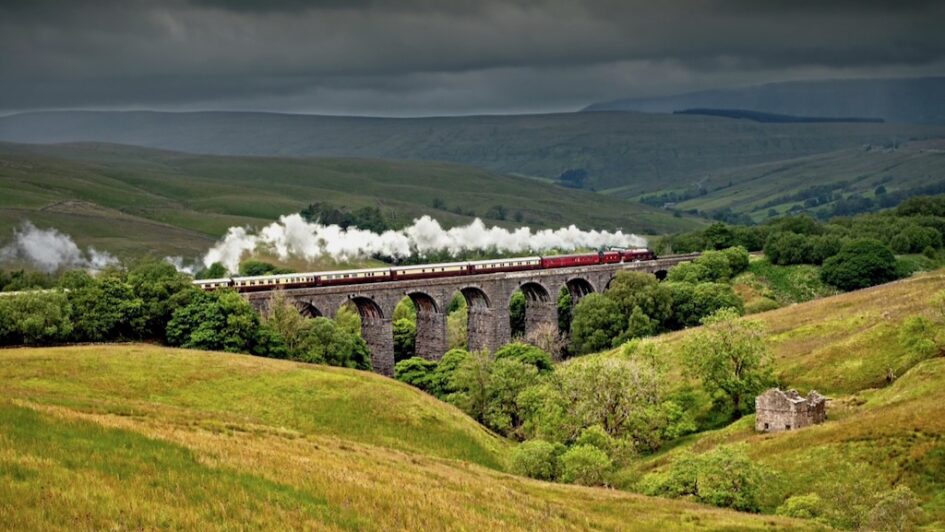
This year marks 150 years since the first passenger trains ran over one of Britain’s most remarkable railway lines. Since opening in May 1876, the route has threaded its way through the Yorkshire Dales and the North Pennines, crossing vast viaducts, lonely moorland and some of the most dramatic scenery on the national network.
It is also a railway that very nearly disappeared.
The line was built by the Midland Railway as part of its ambition to reach Scotland without relying on rival companies. Construction was an extraordinary undertaking. More than 6,000 navvies worked along the route. Entire temporary settlements appeared in remote valleys. Harsh weather, dangerous working conditions and outbreaks of disease claimed many lives.
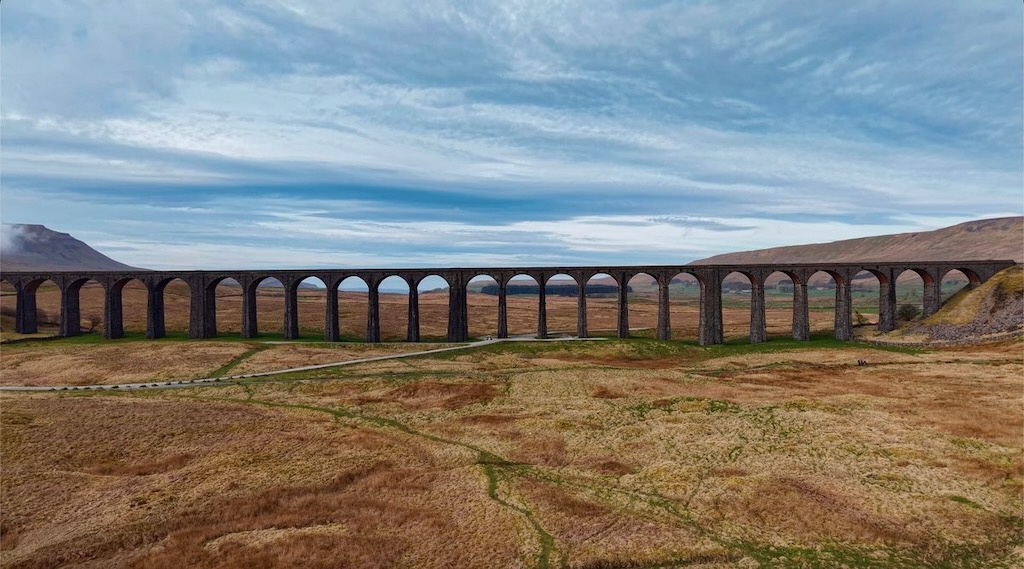
The most famous structure is Ribblehead Viaduct, with its 24 arches stretching across the landscape beneath the peaks of Ingleborough and Whernside. Today it is one of the most photographed railway structures in Britain. When it opened, it was simply part of a much larger engineering challenge.
For much of the twentieth century, the line seemed destined for decline. The age of faster railways and motorways reduced its strategic importance. Freight traffic fell. Rural populations changed. By the 1980s British Rail viewed the route as an expensive luxury and proposed closure.
Many assumed its fate was sealed.
What followed became one of the most significant railway preservation campaigns in modern Britain.
Local communities, railway enthusiasts, businesses, local authorities and politicians united in opposition. The argument was never simply about nostalgia. The line connected communities, supported tourism and provided resilience within the wider railway network. More importantly, people understood that once a railway like this is lost, it is lost forever.
Against expectations, the campaign succeeded.
In April 1989 the Government rejected the closure proposal and the line was given a future. What had appeared to be an inevitable withdrawal became a powerful reminder that railways are about more than balance sheets and passenger counts.
Since then, passenger numbers have grown dramatically. Stations have been restored. Services have improved. Visitors arrive from across Britain and beyond to experience a railway that many believed would vanish before the end of the twentieth century.
The Settle and Carlisle now stands as a reminder that railways are about more than transport.
A motorway can move people efficiently from one place to another. The Settle and Carlisle does something different. It connects landscapes, communities and history. It creates a sense of journey that feels increasingly rare in a world focused on speed and efficiency.
Perhaps that explains why the line continues to inspire such affection. It is not merely a route between Yorkshire and Cumbria. It represents something larger, a belief that not every decision should be measured solely by short-term economics.

One hundred and fifty years after the first passenger trains ran, services still cross Ribblehead Viaduct. Passengers still stare out of the window as the fells unfold around them. Small stations still welcome travellers to places that would otherwise be easy to overlook.
The railway survived because enough people believed it mattered.
Looking at the crowds it attracts today, it is difficult to argue they were wrong.
🚂 Follow the journey
🍽️ Stephen Plume writes about food, trains, and the people in between.
🚆 The Slow Train: Monthly rail stories. Join for my vetted regional food lists
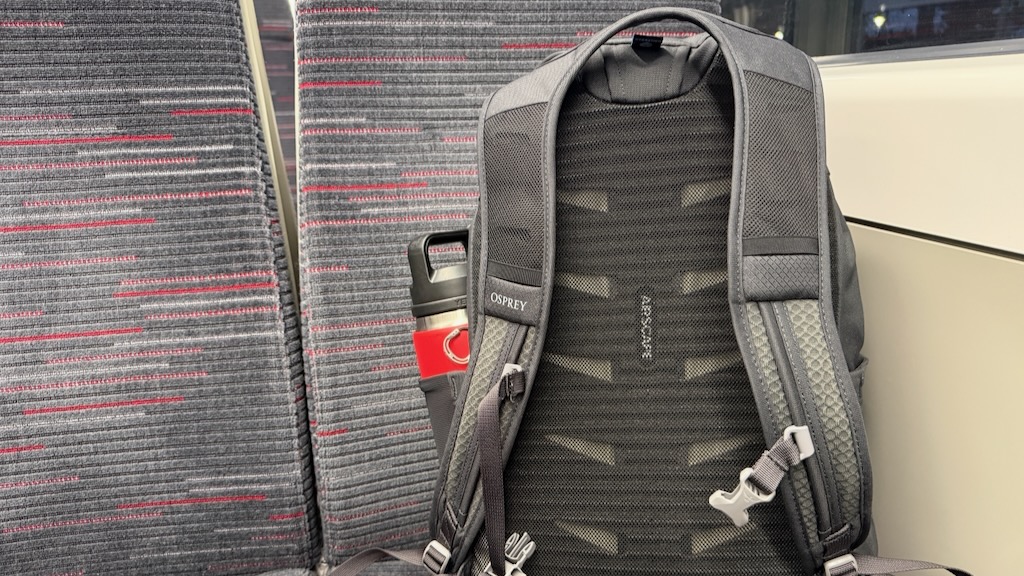
🧳 Travel Kit: Curious about what I pack for the rails? See the list here

Leave a Reply