London Victoria is the second busiest station in Britain, which is a fact that surprises almost nobody who has tried to buy a coffee there on a Monday morning. It handles more than 75 million passengers a year, dispatches trains to the south coast, the Gatwick Express, and the Eurostar’s former terminal, and sits at the meeting point of Belgravia, Pimlico, and Westminster. It is, in other words, a place that people pass through rather than visit. The Hungry Passenger respectfully disagrees.
Arrival and first impressions
Step out of the main entrance and Victoria presents itself as a slightly breathless version of central London. Buses, taxis, the coach station, the underground, the sense that everyone is going somewhere urgently. Give it thirty seconds and walk south. Within two minutes the noise reduces. Within five you are in Pimlico, which is a different city entirely.
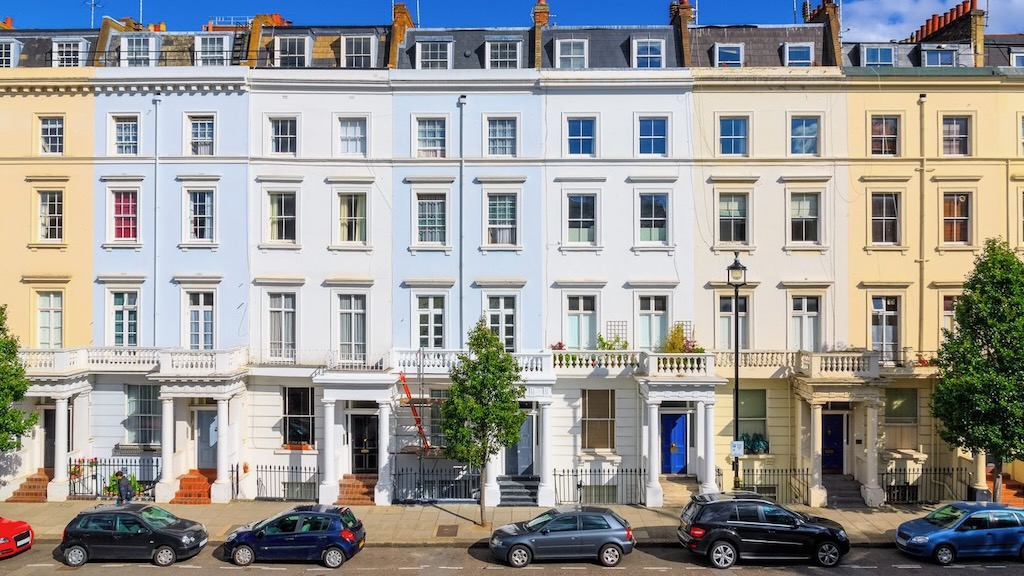
Pimlico is one of those London neighbourhoods that exists largely for the people who live in it. Georgian terraces, quiet garden squares, the faint air of a neighbourhood that has resisted becoming interesting in an obvious way. It is the right place to spend an hour before or after a train.
Why Victoria works as a destination
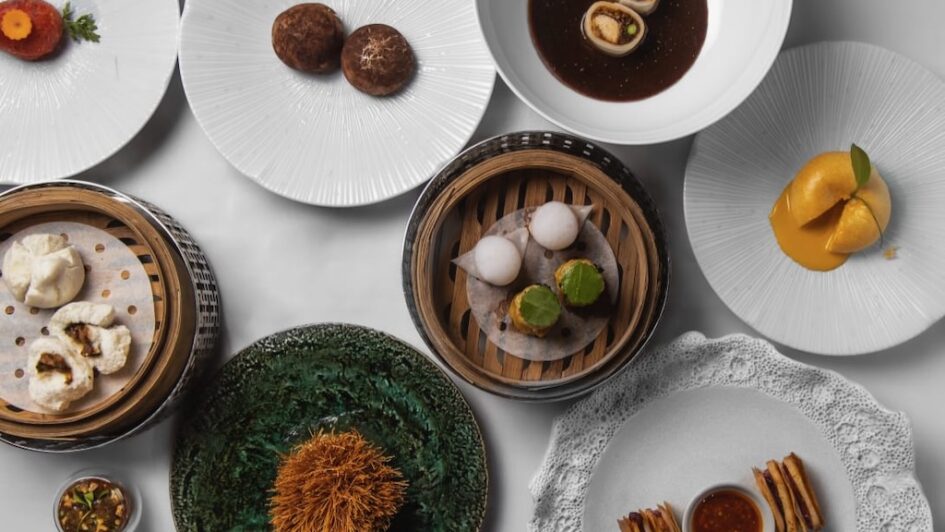
The answer, partly, is A. Wong on Wilton Road, which is one of the more startling restaurants in the country. Andrew Wong opened it in 2012 on the site of his parents’ Cantonese restaurant, and in 2021 it became the first Chinese restaurant outside Asia to hold two Michelin stars. The evening tasting menu is a multi-course journey through the regional cuisines of China, each dish rooted in scholarship and executed with precision. Dim sum at lunch is more accessible and no less impressive. It is genuinely one of the best restaurants in London, in a neighbourhood that gives no indication it is coming.
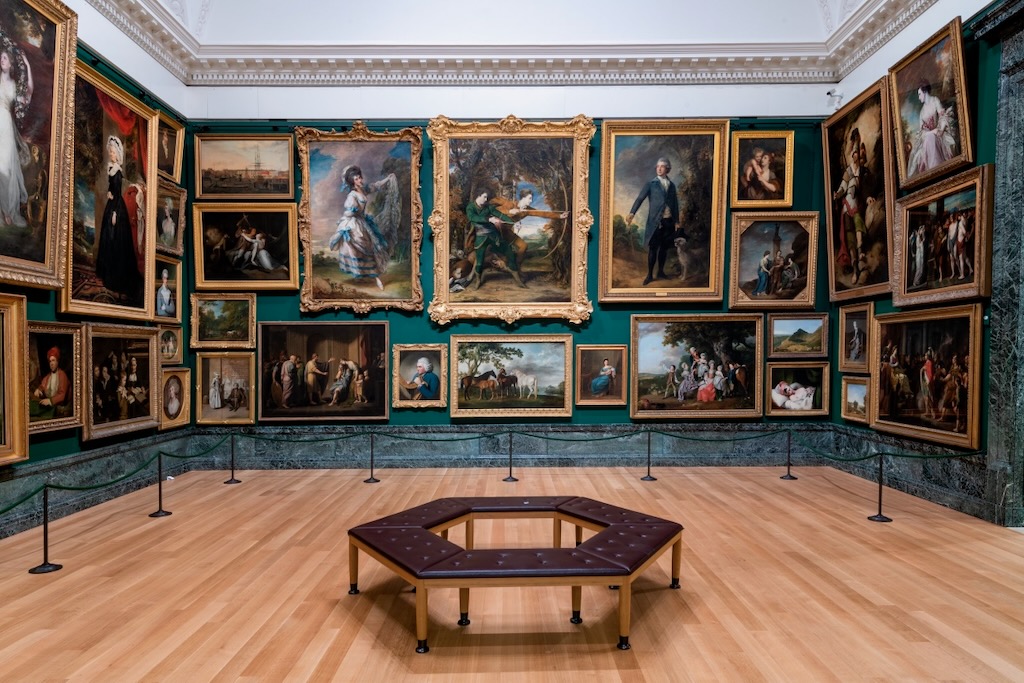
The Tate Britain is a fifteen-minute walk along the river. The collection spans five centuries of British art and admission is free, which is the kind of detail that Victoria’s reputation as a transit hub tends to obscure.
Buckingham Palace is a short walk north, though it tends to draw crowds in a way that the Tate does not.
Where to eat
A. Wong at 70 Wilton Road is the obvious answer for a serious meal. Book well ahead, particularly for dinner. The dim sum lunch is slightly easier to get into and worth planning a journey around.
For something less formal, Lorne at 76 Wilton Road is five minutes from the station and one of those neighbourhood restaurants that punches well above its postcode. Katie Exton, a former sommelier at The River Café and Chez Bruce, opened it in 2017 and the wine list reflects exactly that background: carefully chosen, sensibly priced, and worth exploring properly. The kitchen focuses on seasonal British produce, and the set lunch menu is excellent value for the area. The Good Food Guide calls it a smart neighbourhood bistro; Michelin have given it a Bib Gourmand. Both are right.
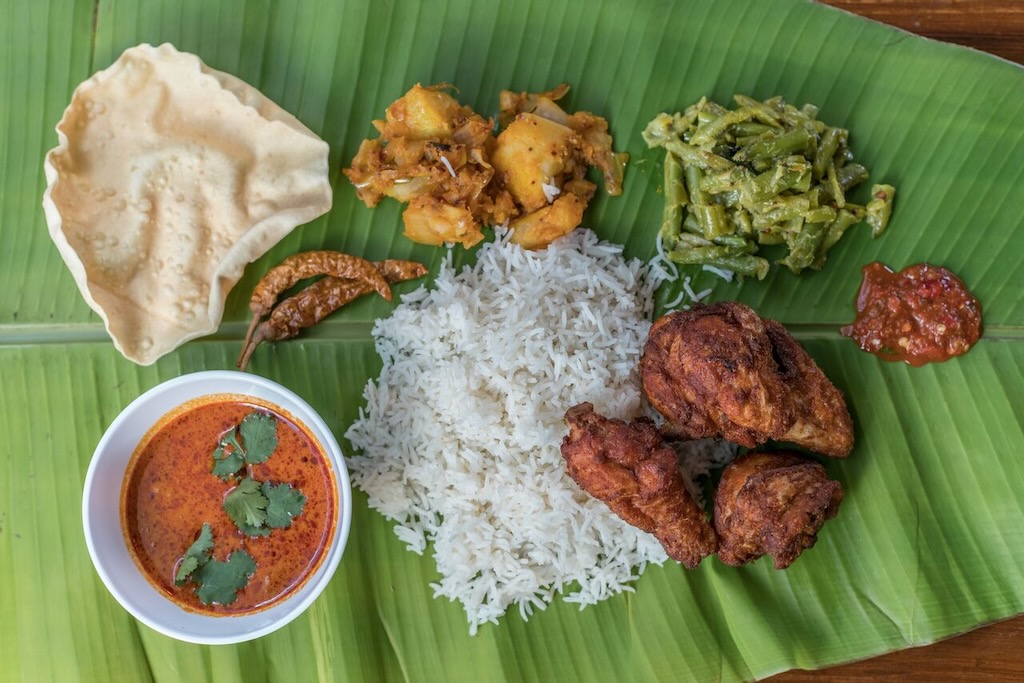
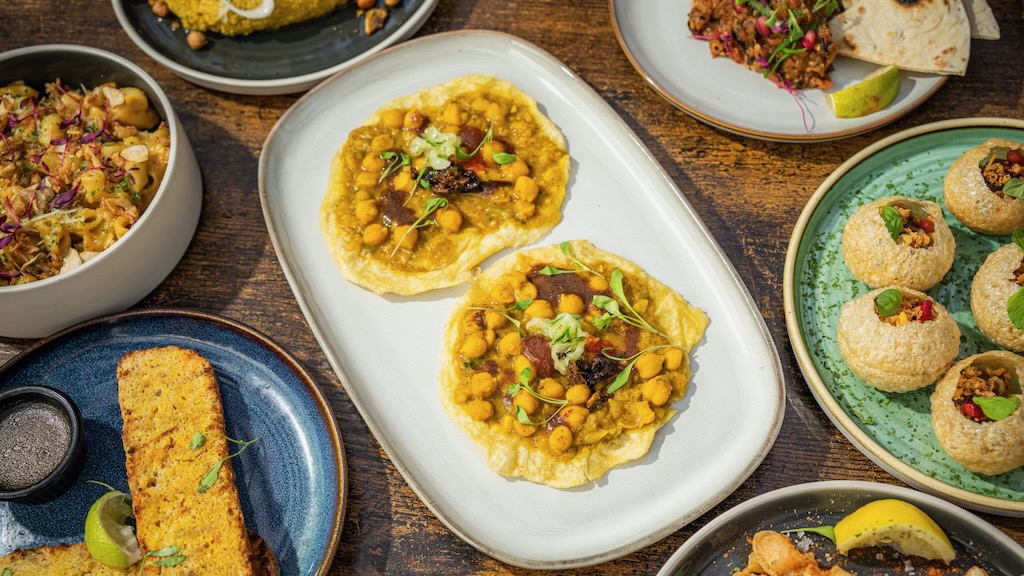
Market Halls Victoria on Victoria Street houses several food operators under one roof. The standout is Gopal’s Corner, a Tamil street food kitchen and sibling to the beloved Roti King. Freshly made roti canai, noodle stir-fries, and banana leaf platters. It is the kind of food that earns a queue, and it does.
Journey times
Victoria is served by Southern, Gatwick Express, and Southeastern, connecting London to the south and southeast of England. For those arriving from further afield, the nearest major interchange is London Bridge or St Pancras, both easily reached by tube.
- Brighton to London Victoria: around 54 minutes on the fastest services
- Gatwick Airport to London Victoria: around 30 minutes on the Gatwick Express
- Canterbury West to London Victoria: around 1 hour 20 minutes via Ashford
🚂 Follow the journey
🍽️ Stephen Plume writes about food, trains, and the people in between.
🚆 The Slow Train: Monthly rail stories. Join for my vetted regional food lists
🧳 Travel Kit: Curious about what I pack for the rails? See the list here
Leave a Reply