There is a moment, standing beneath the Victory Arch at London Waterloo, when the scale of the place settles on you properly. This is the busiest station in the United Kingdom. Over seventy million passengers a year pass through it. And yet it faces south, away from the City, away from the financial heart of London, toward a different kind of England entirely. Hampshire and its chalk streams. The New Forest, where ponies still wander unmarked roads. Dorset’s Jurassic Coast. Salisbury Plain and the stones that have stood there since before anyone thought to write anything down.
That is the particular quality of Waterloo. It is not just a gateway to London. It is a gateway away from it.
Arrival and first impressions
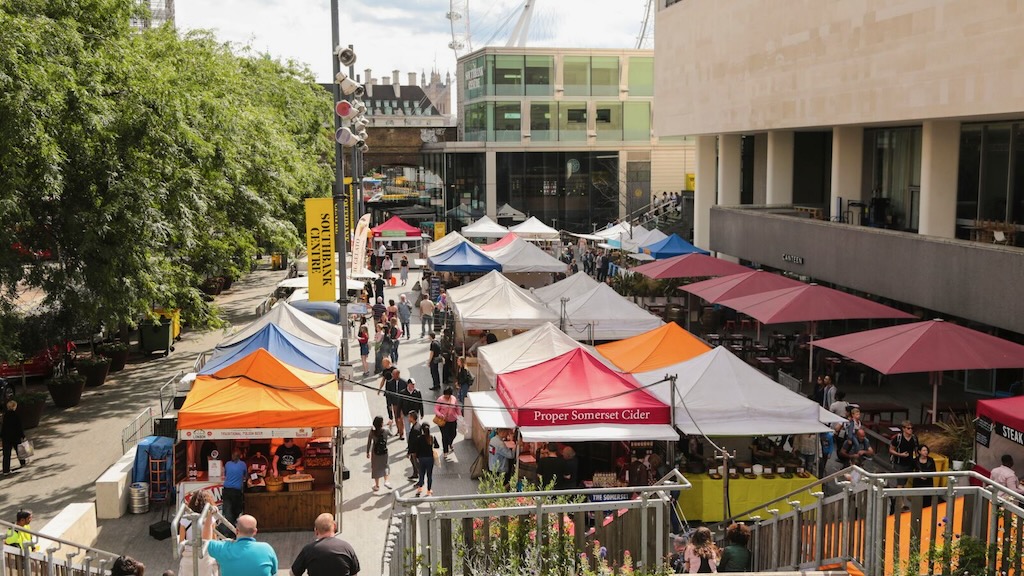
Walk through the Victory Arch and turn left toward the South Bank rather than right toward the Tube. The Thames is four minutes on foot. The Southbank Centre Food Market runs every Friday through Sunday behind the Royal Festival Hall, with independent traders covering everything from Indian dosas to Korean barbecue. It is one of the better ways to eat in London without spending a great deal of money.
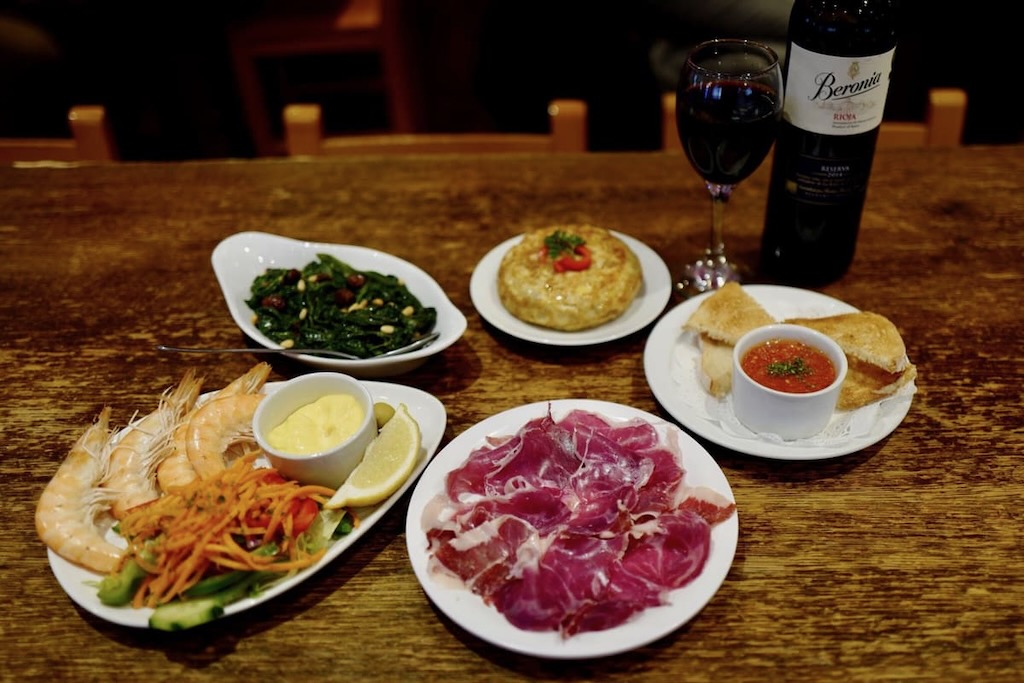
Lower Marsh, a short walk from the station, is where Waterloo keeps its more interesting independents. Meson Don Felipe has been trading here since 1987, the first tapas bar in London, still family run, still serving honest Spanish wine at honest prices. Tunisian Street Kitchen on the same street rewards patience: kofte made to order, saffron rice fragrant with coriander and mustard seeds, homemade chips.
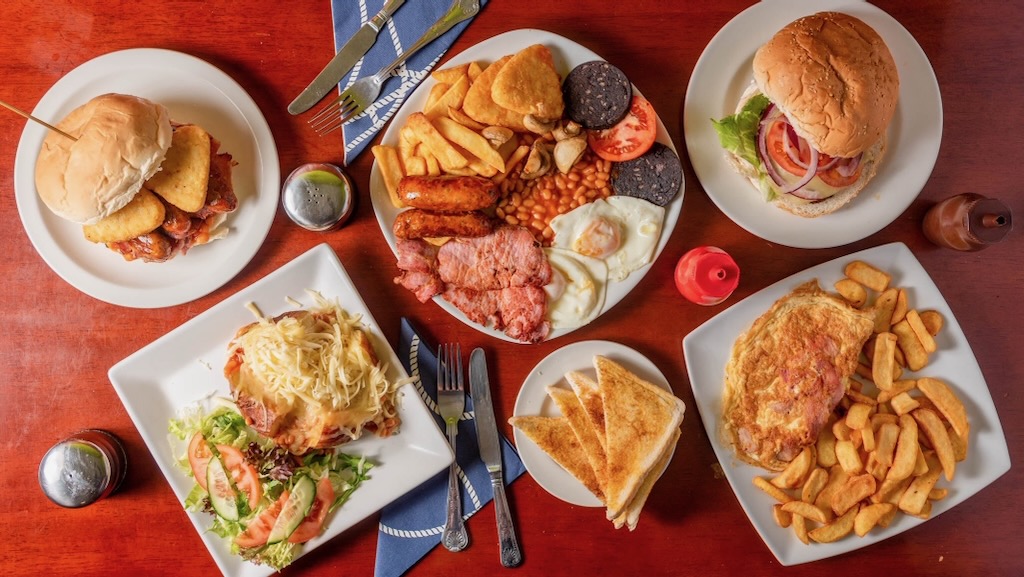
For breakfast before a journey, Chunnel Bar is a straightforward cafe with a reputation built on a proper fry-up and sausages that have achieved local legend status. It is exactly what it is and does not pretend otherwise.
Why Waterloo works
The station carries its history lightly. It was the London terminus for Eurostar from 1994 until 2007, a detail that still carries a faint trace of glamour. The clock beneath the main concourse has been a meeting point for generations of Londoners, cited in fiction and remembered in personal history in roughly equal measure.
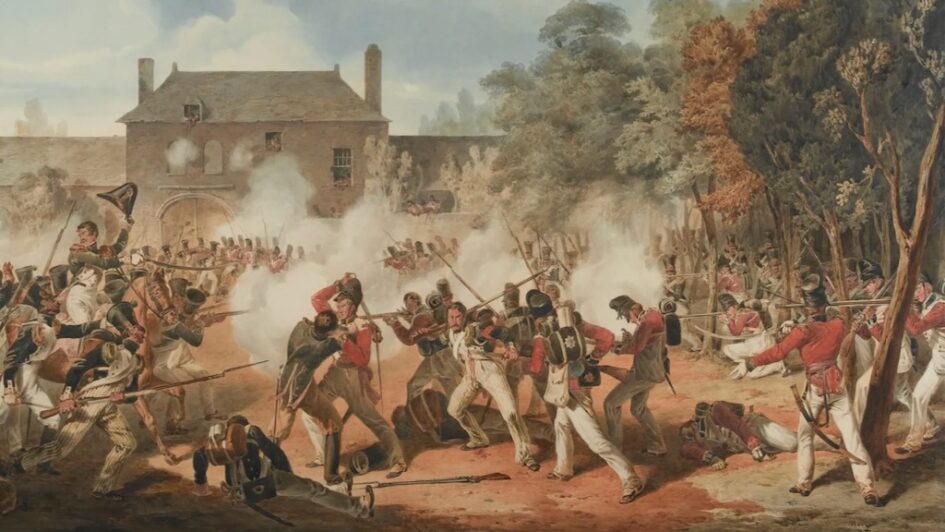
Waterloo also carries the peculiar distinction of being the station that once upset a Parisian politician so much he wrote to the British Prime Minister to request it be renamed. The Battle of Waterloo, he pointed out, was upsetting for French visitors arriving in London. The request was declined.
Where the trains go
This is where Waterloo surprises. Salisbury is ninety minutes away, and from Salisbury you can reach Stonehenge by bus in thirty minutes. Brockenhurst sits at the heart of the New Forest in around ninety minutes. Winchester is an hour and fifteen minutes, home to the longest medieval cathedral in England.
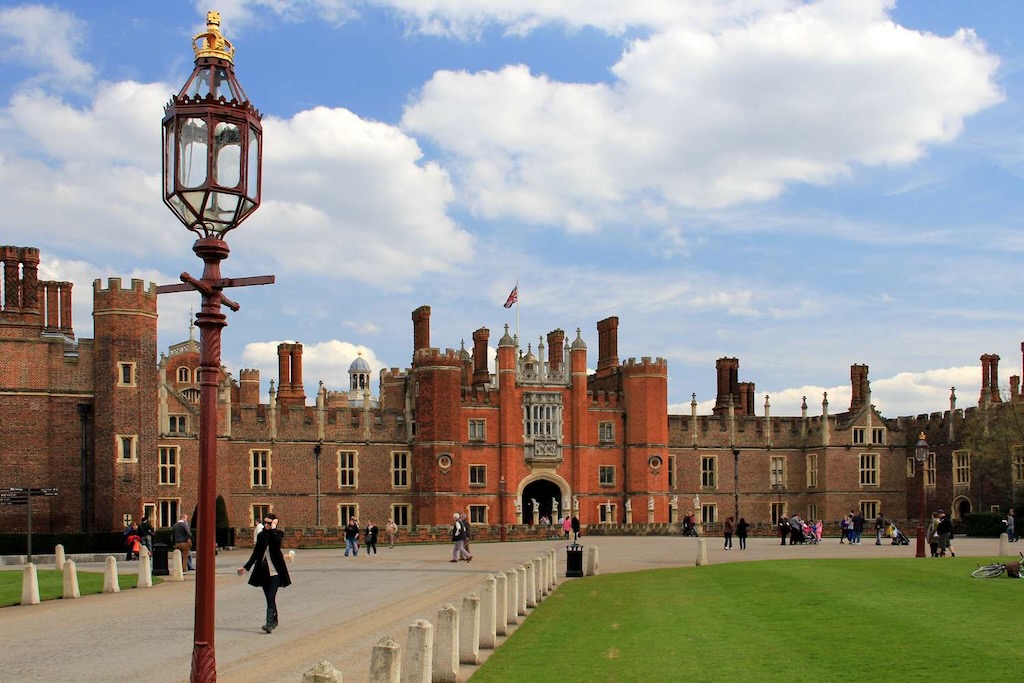
Weymouth is two hours forty minutes, which feels like a long way until you arrive at the end of a harbour that Turner painted. And then there is the quiet detail that Hampton Court Palace is thirty minutes from Waterloo. Henry VIII’s favourite house. The kitchens unchanged since the sixteenth century.
Journey times
- Hampton Court: around 35 minutes.
- Winchester: around 1 hour.
- Salisbury: around 1 hour 30 minutes.
- Brockenhurst for the New Forest: around 1 hour 35 minutes.
- Bournemouth: around 1 hour 45 minutes.
- Weymouth: around 2 hours 45 minutes.
🚂 Follow the journey
🍽️ Stephen Plume writes about food, trains, and the people in between.
🚆 The Slow Train: Monthly rail stories. Join for my vetted regional food lists
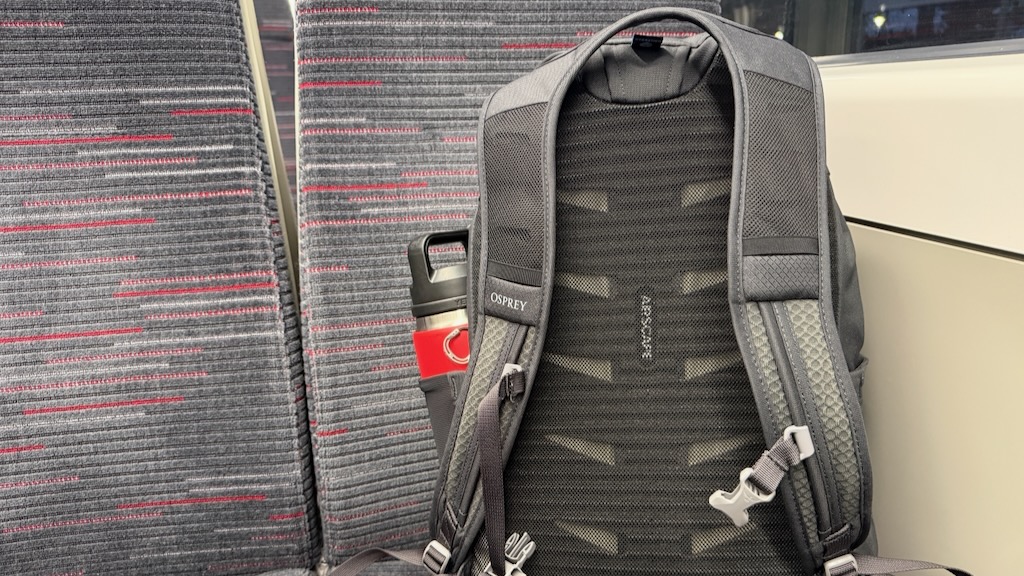
🧳 Travel Kit: Curious about what I pack for the rails? See the list here
Leave a Reply