There are some cities where arriving by train feels like the obvious choice, and Oxford is one of them.
Step out of the station and you are within easy walking distance of one of Britain’s most recognisable city centres. There are no park-and-ride calculations, no hunting for somewhere to leave the car and, once you reach the first college walls, very little reason to think about transport again.
Oxford is compact enough to explore on foot, but dense enough with history, food and interesting corners to fill an entire day.
Into the city
Walk east from the station and Oxford gradually begins to reveal itself.
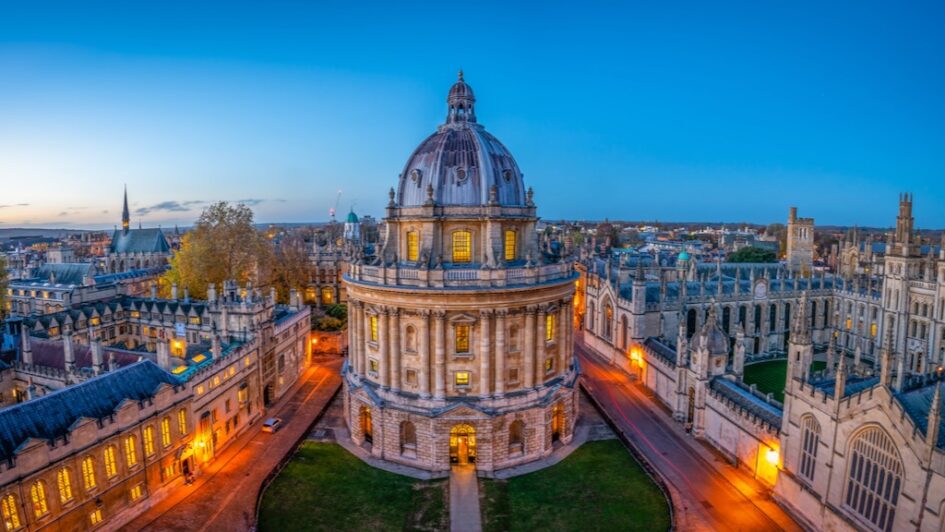
The modern city centre gives way to older streets, college entrances and glimpses of towers above the rooftops. Before long you reach Broad Street, the Bodleian Library and Radcliffe Square, where the circular Radcliffe Camera sits at the heart of perhaps the most unmistakably Oxford view of all.
This is the Oxford of postcards and television dramas, but it is impressive enough to survive the familiarity.
The University of Oxford is not a single campus but a collection of colleges and university buildings spread through the city. Visitor arrangements vary, so it makes more sense to choose one or two colleges rather than attempt to see everything.
Even without going inside, wandering the lanes around the Bodleian, Radcliffe Square and the High Street gives you plenty of dreaming spires for free.
Oxford Covered Market
Eventually, however, thoughts should turn to lunch.
Oxford Covered Market has been trading since the 1770s and remains one of the best places in the city to eat without turning lunch into an event of its own.
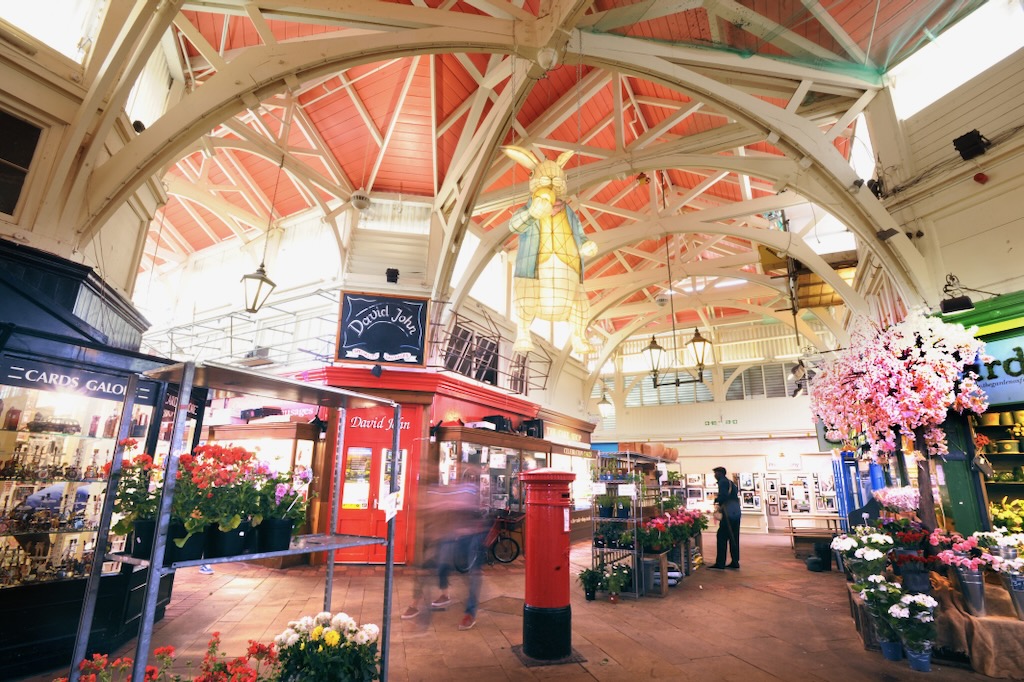
More than 50 independent businesses trade beneath its roof, with traditional butchers, florists and specialist shops now sharing the market with an increasingly varied collection of cafés, bars and places to eat.
Sasi’s Thai has long been a popular stop for generous plates of Thai food, while Sartorelli’s serves pizza from its market unit. Brown’s Cafe has been part of the Covered Market since 1924 and remains a good option if your tastes lean more towards a traditional breakfast or café lunch.
There is coffee, cake and ice cream too, which makes the market dangerous territory for anyone who intended merely to have a quick look around.
Oxford is currently planning significant improvements to the historic market, but it remains open and trading.
Beyond the colleges
Head south and the streets open into Christ Church Meadow, providing one of the easiest escapes from the crowds. Paths run beside open grassland and towards the rivers, while Oxford’s towers remain visible above the trees.
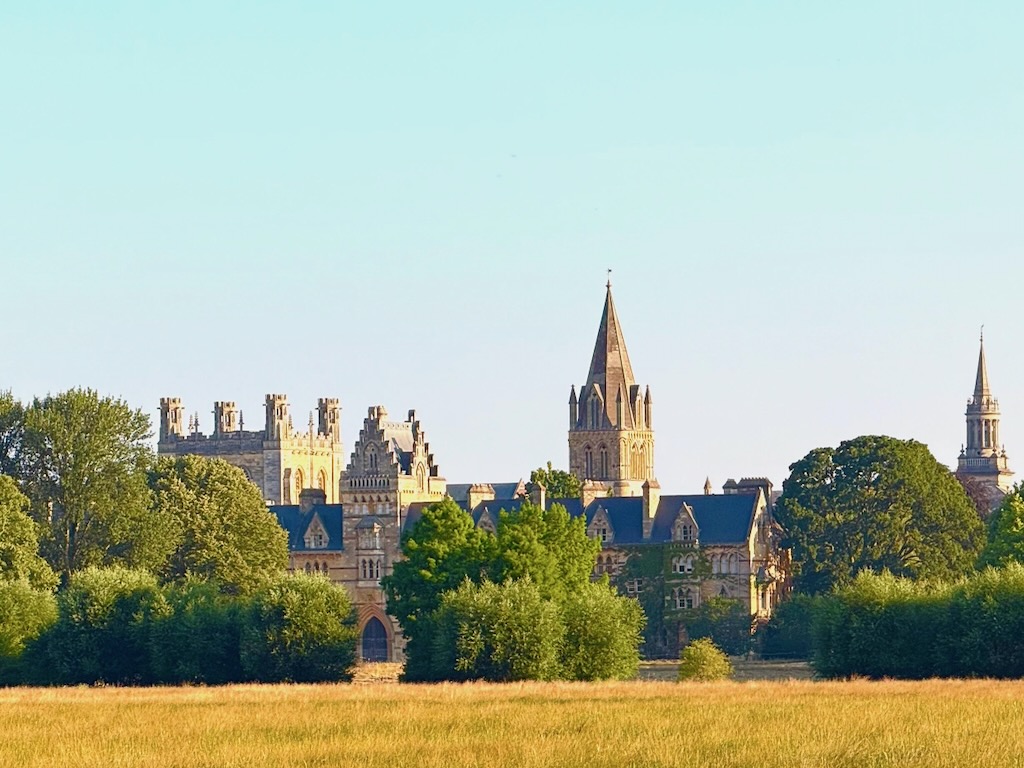
The stretch of the Thames through Oxford is traditionally known as the Isis, and together with the River Cherwell it gives the city another character entirely.
Punts drifting along the water may be an Oxford cliché, but sitting beside the river and watching somebody else discover how difficult they are to steer is considerably more relaxing.
From here you can loop back towards the centre or continue wandering through streets where bicycles still seem to outnumber sensible forms of transport.
If you are visiting during October or November, see my autumn guide to Oxford and 4 other unmissable UK rail walks for seasonal colour.
Where to eat
The Covered Market is the obvious choice for a casual lunch because you can decide what you fancy when you arrive.
For dinner, Oxford becomes more interesting once you move beyond the most heavily visited streets.

Arbequina on Cowley Road serves Spanish-inspired small plates and has developed an excellent reputation well beyond Oxford. Its Cowley Road restaurant currently opens for dinner on Thursday and Friday, with lunch and dinner on Saturday, so it is worth checking before building a trip around it.
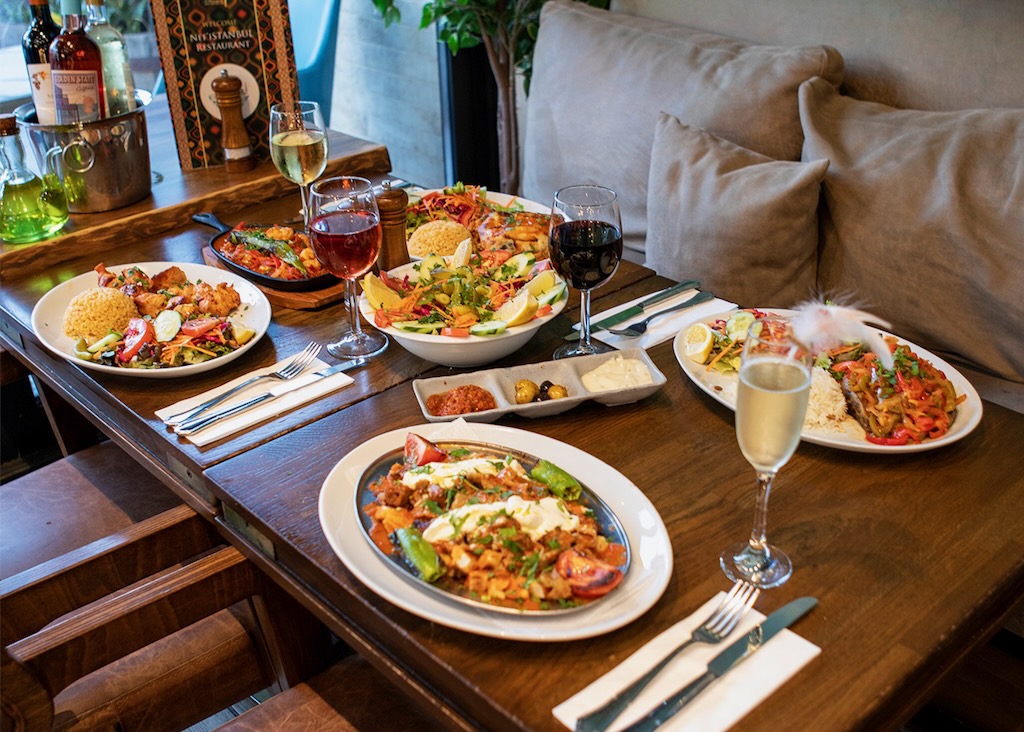
Cowley Road itself is also worth exploring. It feels very different from the ceremonial Oxford around Radcliffe Square, with independent restaurants and shops reflecting a much broader side of the city.
That contrast is part of Oxford’s appeal. You can spend the afternoon surrounded by medieval colleges and the evening eating somewhere that feels entirely contemporary.
Don’t miss
- Radcliffe Square and the Radcliffe Camera
- The Bodleian Library quarter
- Oxford Covered Market
- A wander through the college streets
- Christ Church Meadow
- A walk beside the Isis
- Cowley Road for a different side of Oxford
- Something unnecessary but delicious from the Covered Market
The journey
Oxford is particularly easy to reach by rail.
Great Western Railway runs direct trains from London Paddington, with the fastest journeys taking less than an hour. Oxford is also connected directly with destinations including Reading and the Thames Valley, Birmingham and the Midlands, while direct GWR services between Bristol and Oxford returned in May 2026.
The station sits just west of the city centre, meaning that once you arrive, most of the day can be done on foot.
Why go by train?
Oxford is a city built for wandering rather than driving.
Arrive by rail and the route from the station naturally takes you into the centre. From there you can walk between the market, university quarter, river and restaurants without worrying about returning to wherever you abandoned the car.
It also means lunch can become a pint, dinner can involve a bottle of wine, and the journey home can be spent looking out of the window rather than finding the ring road.
Final thoughts
Oxford hardly needs help attracting visitors.
The colleges, libraries and dreaming spires have been doing that successfully for centuries.
But there is a better day here than simply photographing university buildings. Eat lunch beneath the roof of the Covered Market, wander through Radcliffe Square, escape to the river, then head somewhere less formal for dinner before walking back to the station.
Oxford may be famous for books and bicycles, but arrive hungry and there is considerably more to discover.
Sometimes the cleverest way to visit Oxford is simply to catch the train.
🚂 Follow the journey
🍽️ Stephen Plume writes about food, trains, and the people in between.
🚆 The Slow Train: Monthly rail stories. Join for my vetted regional food lists
🧳 Travel Kit: Curious about what I pack for the rails? See the list here


Leave a Reply