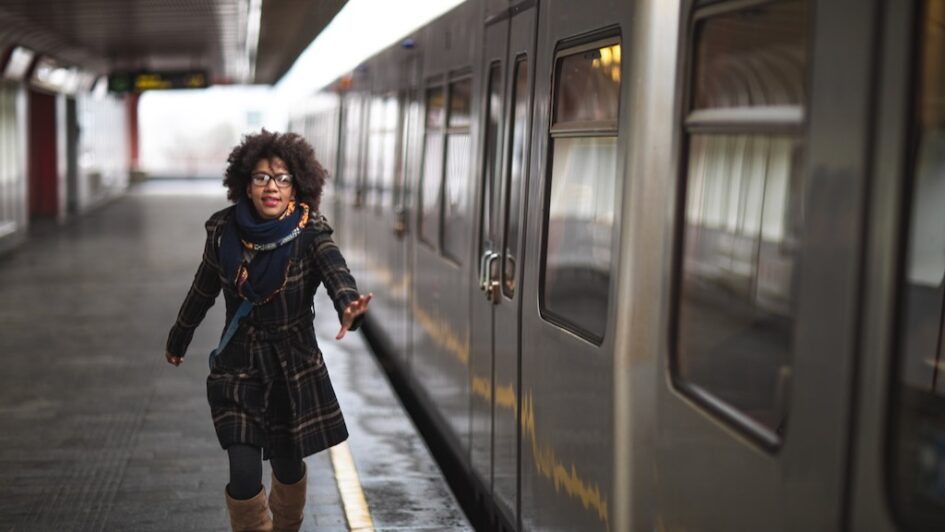
Missing a train is annoying. There is no point pretending otherwise. You have usually arrived with a plan, perhaps a connection, perhaps a reservation, perhaps just the quiet confidence that you know how the next part of the day is supposed to unfold. Then the doors close, the train moves away and the departure board removes it from existence as though nothing important has happened.
For a few minutes, the instinct is to recover the plan. Check the app. Work out the next service. Calculate what has been lost. Wonder whether the connection still works. Then, once the train is definitely gone and there is nothing left to rescue, something slightly different can happen. The pressure drops away. The timetable has made the decision for you.
That is where missing the train can become interesting.
Take Ely. It is one of those places where a missed connection does not have to mean sitting on a platform staring at the clock. A short walk from the station takes you to The Cutter Inn on the River Great Ouse. Suddenly the fact that the next train is forty minutes away looks less like a problem and more like enough time for a pint by the water.
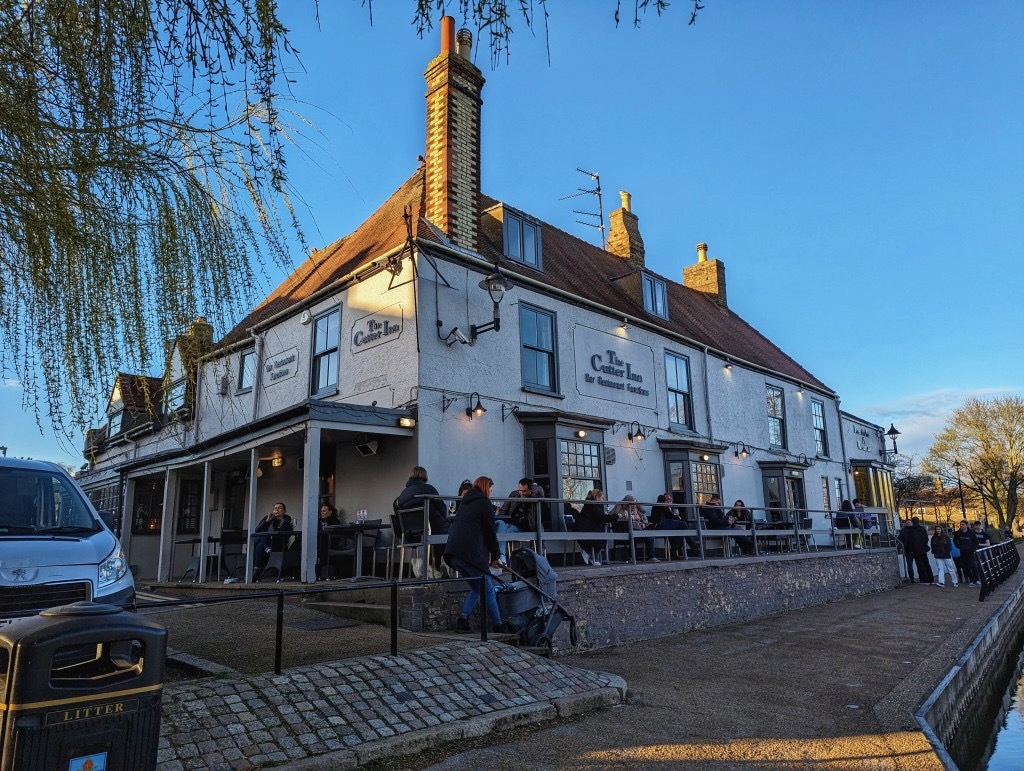
The station stops being somewhere you are passing through and becomes the beginning of somewhere else. You notice the river, the boats, the city beyond the railway. You sit down for a drink and for a while the journey is no longer about where you were meant to be next.
That is one of the peculiar strengths of rail travel. A missed connection does not always destroy the journey. Quite often it simply changes it. Another train will come. The journey bends rather than breaks, and the unexpected gap creates time you were never supposed to have.
Perfect journeys rarely produce much of a story. The connection works, the train arrives, you sit down and eventually get where you are going. Useful, certainly. Efficient, definitely. Memorable, not always.
The journeys that stay with us are often the ones that slipped slightly off the timetable. The connection that failed and produced lunch somewhere unexpected. The branch line you only took because the direct train had disappeared. The station café where forty minutes became an hour. The pub beside the tracks that you would never have known existed if everything had gone according to plan.
There is also a difference between being delayed and actually missing the train. A delay keeps you attached to the original plan. You watch 14:22 become 14:37 and then 14:51 while everybody continues to wait for the same journey to happen. You are still trapped inside somebody else’s timetable.
Once the train has gone, the situation is cleaner. It has left. There is no more hoping the doors reopen or the delay shortens or the connection somehow survives. The next part of the day has changed, and that can be strangely freeing.
Railways are unusually forgiving in this respect. Missing a flight can dismantle an entire day. Missing a train usually means another train. Perhaps in twenty minutes, perhaps in an hour, perhaps much later, but the railway carries on and eventually so do you.
We spend a lot of time trying to remove uncertainty from travel. Tickets are booked months ahead, seats reserved, connections calculated and platforms checked before we have even reached the station. Most of the time that is exactly what we want. But it can also make a journey feel like a sequence of instructions rather than a journey at all.
Every so often, something goes wrong and the instructions disappear.
That is when chance gets back in.
You talk to somebody you would never have met. You walk into a town you had not planned to visit. You find a café, a market, a pub, a view. The place name on the departure board becomes an actual place.
None of this means missing the train is somehow desirable. Sometimes it is expensive. Sometimes it is genuinely inconvenient. Sometimes it just means sitting somewhere cold wishing you had left home ten minutes earlier.
But sometimes it gives you an hour you did not know you wanted.
At Ely, that might mean a pint beside the Great Ouse while somebody else catches the train you were supposed to be on.
There are worse ways to miss one.
🚂 Follow the journey
🍽️ Stephen Plume writes about food, trains, and the people in between.
🚆 The Slow Train: Monthly rail stories. Join for my vetted regional food lists
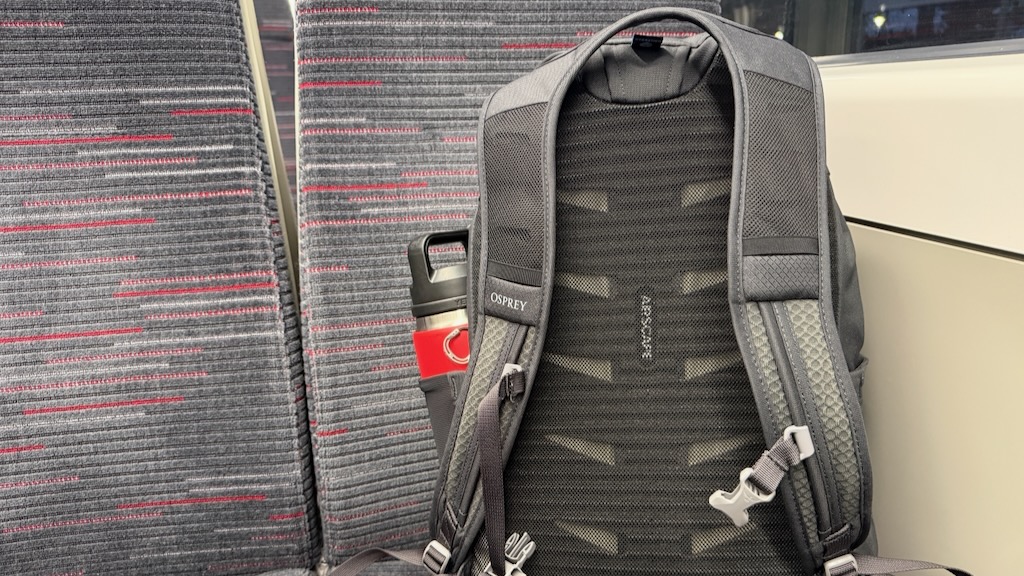
🧳 Travel Kit: Curious about what I pack for the rails? See the list here
Leave a Reply