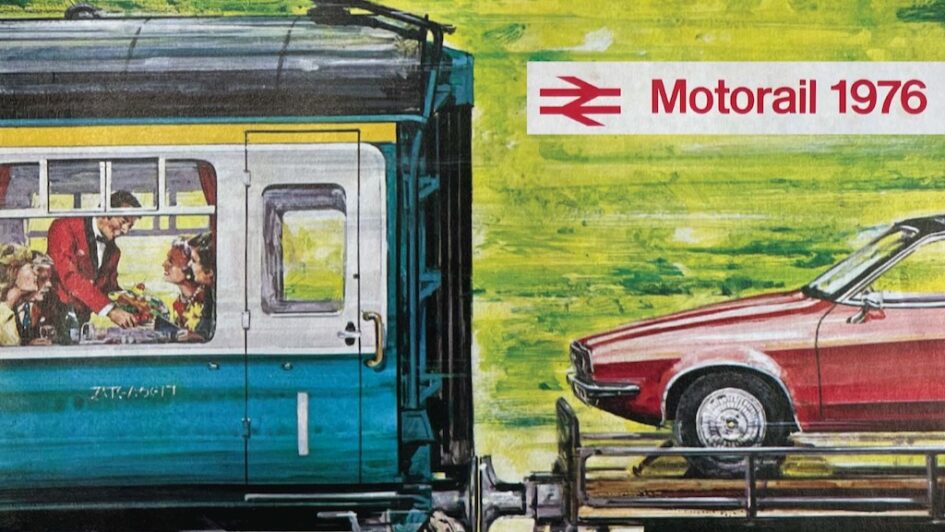
There was once a train that carried your car to Scotland while you slept. You drove onto a flatbed wagon at Kensington Olympia, found your sleeper berth, had dinner, and woke up somewhere near Inverness with the Highlands outside the window and your car waiting on the platform. No motorway, no service station coffee, no white-knuckle overtaking on the A9. Just the quiet rhythm of the rails and a reasonable night’s sleep.
That train was Motorail, and most people under fifty have never heard of it. With petrol prices rising and the cost of driving long distances climbing steadily, perhaps it is time they did.
What was Motorail?
British Rail launched its first long-distance car-carrying service in June 1955, running between London and Perth. The idea was straightforward: for families and travellers facing the prospect of a long, exhausting drive, the train could do the hard work instead. You paid for your car, your berth and your journey, and arrived rested rather than wrung out.
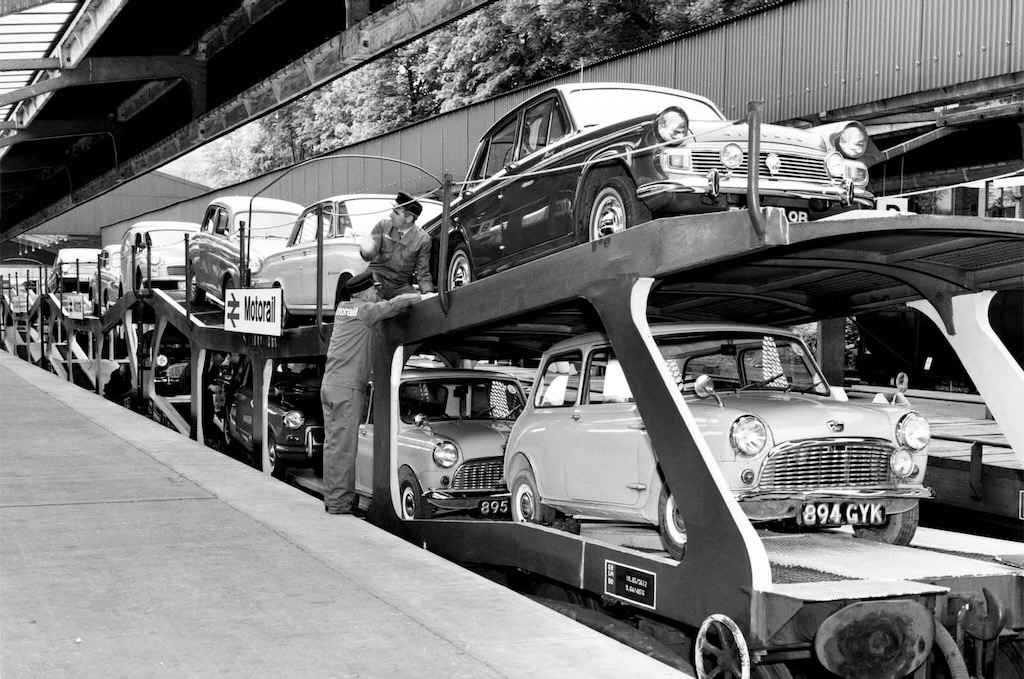
The Motorail brand followed in 1966, alongside the opening of a dedicated terminal at Kensington Olympia, chosen for its connections to the wider rail network. At its peak the service carried 100,000 passengers a year, running to destinations including Penzance, Plymouth, Fishguard, Edinburgh, Perth, Inverness and Fort William. Routes connected the length of the country, and the service sat comfortably within British Rail’s wider InterCity offer.
It was, for a time, genuinely popular. A £15 return fare in 1955 (around £341 today) bought you the car space, the driver’s ticket and a sleeping berth. Meals were available on board. The whole experience was closer to a short cruise than a commute.
Why did it disappear?
The decline was gradual and then sudden. Through the 1970s, Britain’s expanding motorway network made long drives faster and more bearable. Cars themselves improved dramatically, with better gearing, front-wheel drive and air conditioning making the journey to Cornwall or Scotland considerably less punishing than it had once been. Passenger numbers fell from 100,000 to around 20,000 by the time the end came.
The fatal blow was political rather than commercial. As British Rail was broken up for privatisation in the mid-1990s, Motorail proved impossible to incorporate into any of the new franchises being created. It was expensive to run, declining in use, and nobody wanted to take it on. The last services ran in May 1995.
There was one brief revival. First Great Western relaunched a Paddington to Penzance Motorail service in 1999, attaching converted vans to the Night Riviera sleeper. It ran for six summers before being quietly withdrawn in 2005. Since then, nothing.
The case for bringing it back
The conditions that created Motorail have not gone away. In some respects they have got considerably worse.
Petrol prices are rising again, and the cost of driving long distances is no longer something most families can ignore. A return trip from London to Inverness by car involves somewhere between 1,100 and 1,200 miles of driving. At current petrol prices, the fuel cost alone is substantial before you factor in wear, tolls and the two or three overnight stops that a journey of that length realistically requires.
The roads themselves have not improved. Summer Fridays heading west or north are a particular kind of misery, and the situation on major routes to Cornwall and Scotland shows little sign of getting better.
A new pressure has arrived that the original Motorail designers never anticipated: electric vehicle range anxiety. Many current EVs struggle to cover much more than 200 miles between charges on a motorway run, and rapid charger availability remains patchy on longer routes. A London to Inverness journey of around 570 miles requires multiple charging stops, significant planning and a degree of optimism about charger availability at each one. As more drivers switch to electric vehicles and the cost of petrol continues to rise, the case for an alternative to driving long distances becomes harder to dismiss.
The environmental argument also carries more weight than it once did. Moving cars by rail rather than road reduces emissions significantly. A family driving to the Scottish Highlands produces a very different carbon footprint from the same family sleeping their way north on a train.

Then there is the simple quality of life argument. Arriving in Cornwall or Scotland rested, having eaten well and slept properly, is a fundamentally different start to a holiday than arriving exhausted after six hours on the M5. When petrol prices were low and roads were quieter, that trade-off was easier to ignore. It is harder to ignore now.
The honest barriers
It would be dishonest to write a piece like this without acknowledging the obstacles, and they are significant.
Britain’s railway loading gauge is considerably narrower than its European counterparts. Modern cars, particularly the SUVs and large electric vehicles that now dominate sales, are wider and heavier than the vehicles Motorail was designed to carry. Double-deck car carrying, which improves the economics considerably, is not practical on most of the UK network.
Capacity is the other problem. The routes where Motorail would be most useful, London to Scotland and London to the South West, are already under significant pressure from passenger and freight services. Finding reliable paths for a slow, heavy car-carrying train on those routes would be extremely difficult.
The economics are challenging too. Each car takes up space that could accommodate a significant number of fare-paying passengers. The service would need to command a premium price, and the brief 1999 revival suggests that even with an established sleeper service to attach to, the numbers do not easily add up.
So should we bring it back?
Probably not in the form it once took. The infrastructure is not there, the loading gauge works against it and the economics remain difficult.
But the question itself is worth sitting with. At a time when driving long distances is increasingly expensive, increasingly stressful and increasingly hard to justify environmentally, the idea of loading your car onto a train and waking up somewhere beautiful feels less like nostalgia and more like a reasonable thing to want.
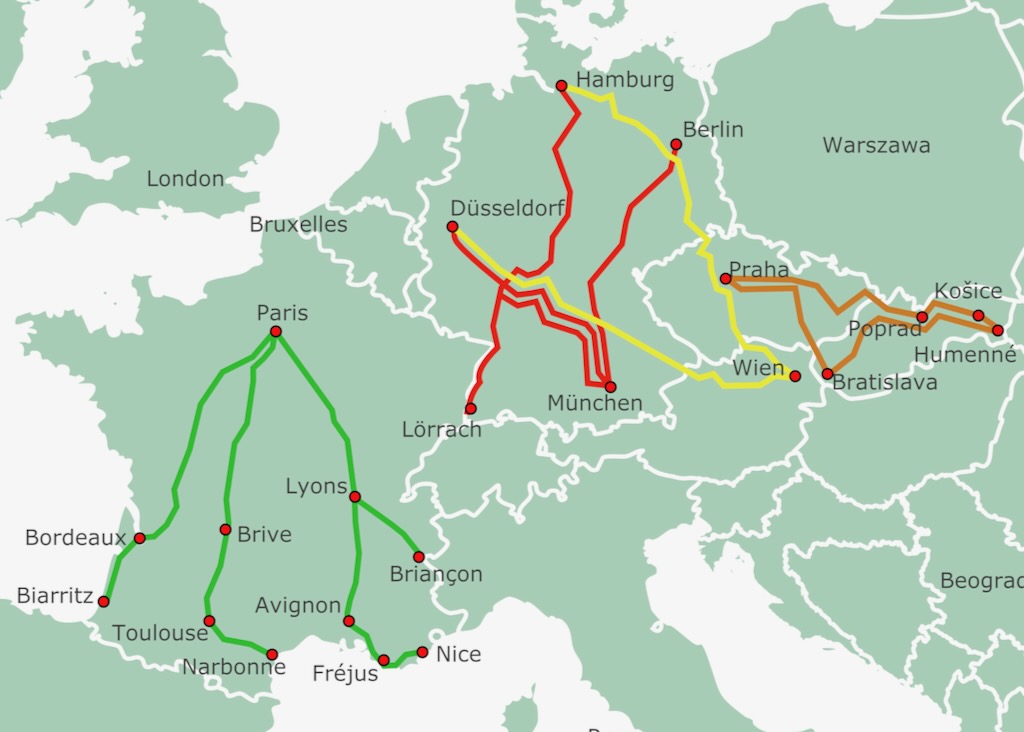
European rail operators have not entirely given up on the idea. Services carrying cars through Alpine tunnels continue to operate in Austria and Switzerland, where the geography makes driving impractical. The Channel Tunnel carries cars efficiently and profitably. The appetite exists, given the right infrastructure and the right routes.
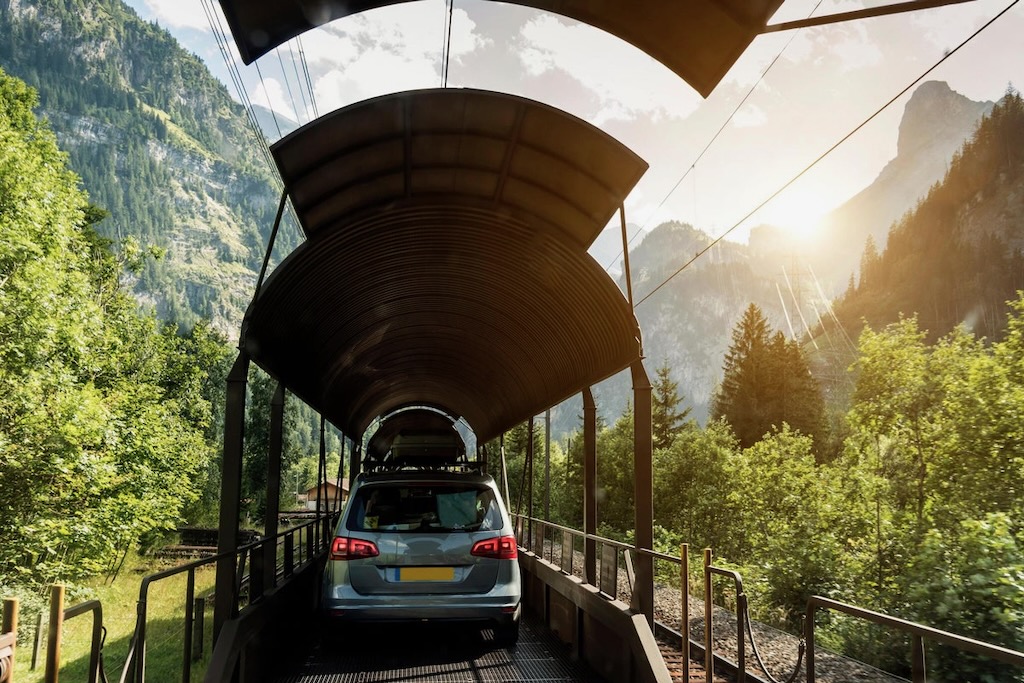
Motorail was not a perfect service. It was expensive, limited in scope and ultimately unable to survive the economics of privatisation. But it answered a genuine human need: the desire to travel far without the journey itself being the most exhausting part.
That need has not gone anywhere. If anything, with petrol prices rising and the roads as busy as they have ever been, it has grown.
🚂 Follow the journey
🍽️ Stephen Plume writes about food, trains, and the people in between.
🚆 The Slow Train: Monthly rail stories. Join for my vetted regional food lists
🧳 Travel Kit: Curious about what I pack for the rails? See the list here
30/10/2026 at 23:21
I don’t think an EV range of 200 miles would be a factor and in fact most EVs now have ranges considerably better than that. In the heyday of Motorail most family cars would have had a fuel range far less than 200 miles. I think congestion would be the biggest driver now. The motorways are now so clogged average journey times along major corridors is probably hardly any better than pre-motorway days.