The World Cup of Stations is back, with 20 railway stations from across Britain competing for the 2026 title.
Run by the Rail Delivery Group, the annual competition celebrates the role stations play in the places and communities around them. This year’s theme is “The stations creating connections that matter”, focusing on how stations connect people with communities, opportunities and the places they need to reach.
More than 150 nominations were submitted before a judging panel selected the final 20. Now it is down to the public.
Voting opened on Monday 12 October and runs until 23:59 on Sunday 18 October. The 20 stations are split into five regional groups of four, with one station from each region progressing to the final stage. That will leave five finalists competing for the overall title.
How does the World Cup of Stations work?
The format is simple. There are 20 shortlisted stations, divided into five regional groups.
During the first stage of voting, the leading station from each group progresses, leaving five finalists.
Voting then continues until 23:59 on Sunday 18 October, before the overall winner is confirmed.
Anglia, East Coast and East Midlands
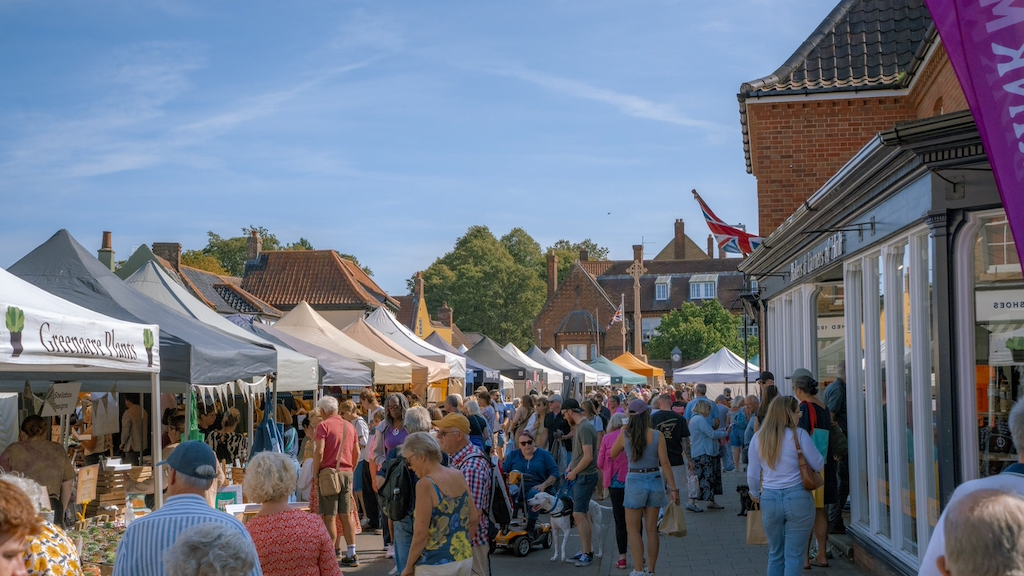
Laindon, Basildon, Berney Arms and Leeds City make up the first regional group. The nominations cover a wide range of station stories, from community artwork and local wildlife projects to one of Britain’s most unusual railway stops at Berney Arms, which has no public road access. Leeds City brings a very different scale to the group, showing how both major city stations and much smaller locations can create connections that matter.
Scotland
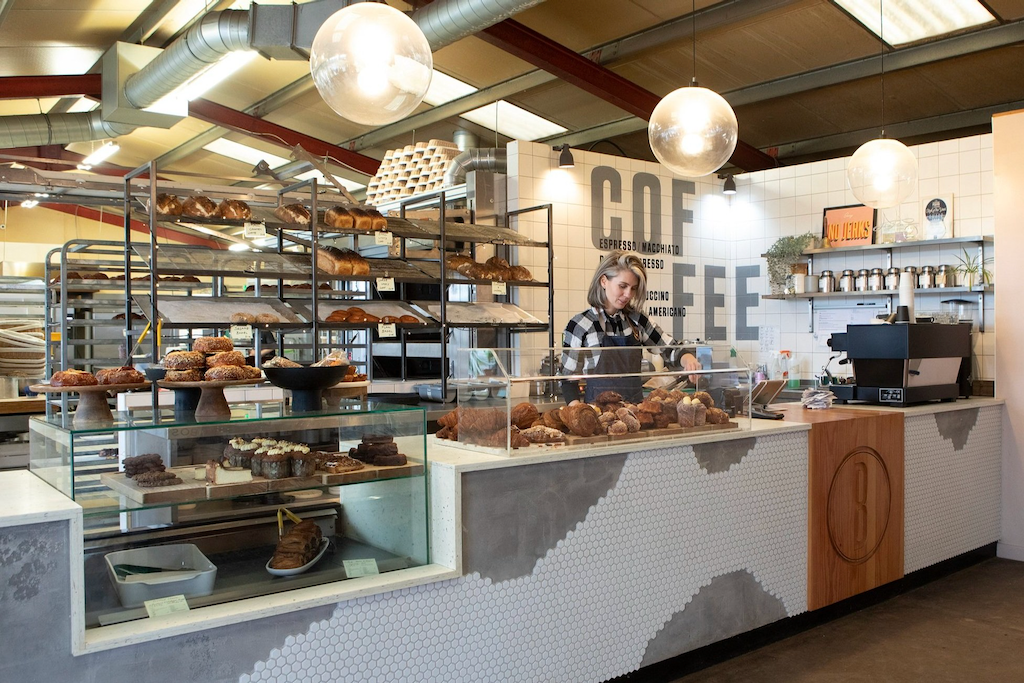
The Scottish group is made up of Kilmarnock, Saltcoats, Stow and Cardross. The stories behind the four stations focus strongly on community use of railway spaces, local activity and volunteering. At Kilmarnock, former railway offices have been developed into a community village, while other stations in the group have used station buildings, gardens and local initiatives to strengthen the relationship between the railway and the communities around them.
North West and West Midlands
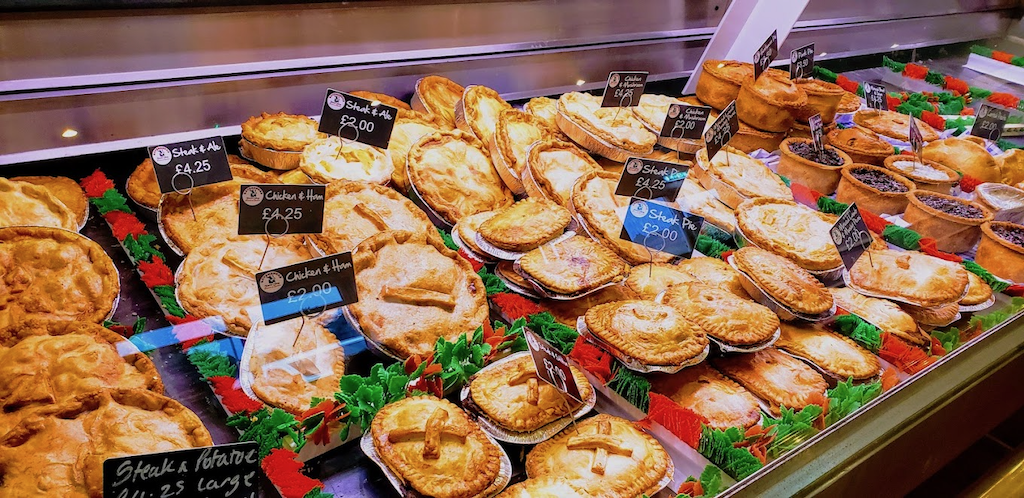
Banbury, Haltwhistle, Hindley and Irlam form the North West and West Midlands group. The four stations serve very different places, from larger towns to smaller communities, but each has been shortlisted for the role it plays beyond simply providing somewhere to catch a train. Their inclusion reflects this year’s focus on stations as places that can support local communities and create wider connections.
South
The southern group contains Brookwood, South Tottenham, St Pancras International and Bishopstone. It is perhaps the most varied group in terms of size, ranging from one of Britain’s best-known international stations at St Pancras to much smaller local stations. Despite those differences, all four have been shortlisted for the connections they create and the role they play in the communities and journeys around them.
THE SLOW TRAIN
Enjoying The Hungry Passenger?
The Slow Train is my monthly email about food, railways and the stories found along the way. Find out more about The Slow Train and join the next departure.
Wales and the West

The final regional group contains Par, Crediton, Yatton and Haverfordwest. Their nominations include volunteering, community cafés, inclusive music and arts projects, cycling facilities and local partnerships. The four stations show how railway spaces can become useful parts of their communities while continuing to serve their core role of connecting people by rail.
What does “connections that matter” mean?
This year’s theme moves the competition beyond simply asking which station looks best. The focus is on the wider role stations can play.
That might be giving people access to employment or education, connecting them with family and friends, opening up access to the countryside, supporting community groups, creating volunteering opportunities or providing space for local organisations.
The final 20 include everything from major transport hubs to small rural stations, which means the competition is comparing very different kinds of railway places.
What links them is the idea that a station can be more than somewhere you arrive or depart from.
Previous World Cup of Stations winners
The World Cup of Stations has been running since 2019.
Previous winners are:
2019: Huddersfield
2020: Glasgow Queen Street
2021: Stourbridge Junction
2023: Wemyss Bay
2024: Maghull
2025: Ashington
Ashington took the title last year following the return of passenger services to the town after almost 60 years.
How to vote
Update: Voting for the World Cup of Stations 2026 closed on 18 October 2026.
Voting is open now. Click here.
The competition begins with 20 stations across five regional groups, with the leading station from each progressing to the final stage.
Those five stations then compete for the overall title until voting closes at 23:59 on Sunday 18 October.
What happens next?
I’ll be following the competition here on The Hungry Passenger.
On Friday, I’ll take a closer look at the five stations that have made it through the regional stage and the stories behind their place in the final.
Then, once the winner is known, the following Friday’s article will go beyond the result itself and look at the winning station as a destination, including what there is to eat, see and explore when you get off the train.
All of my World Cup of Stations coverage will also be collected on the World Cup of Stations page, creating one place to follow the competition from the original shortlist through to the eventual winner.
🚂 Follow the journey
🍽️ Stephen Plume writes about food, trains, and the people in between.
🚆 The Slow Train: Monthly rail stories. Join for my vetted regional food lists
🧳 Travel Kit: Curious about what I pack for the rails? See the list here
Leave a Reply