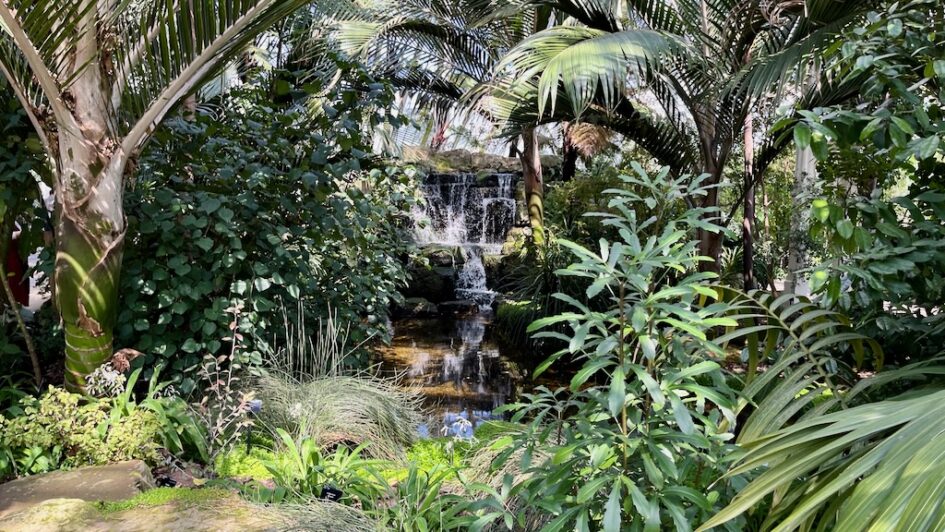
 I arrived at Kew on Saturday already slightly suspicious of myself. A botanical garden. One of the most visited places in London. But Kew is not central London. It sits at the far end of the District line, past the point where most people get off, in a part of the city that feels more like a town on the edge of something. That felt like enough of a reason to go.
Kew Gardens covers 121 hectares. It is a UNESCO World Heritage Site. It has been here, in various forms, since 1759. None of that prepares you for the scale of it when you walk through the gate.
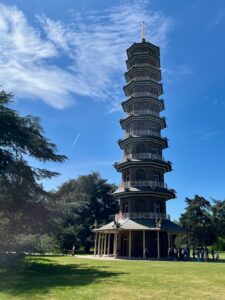 The Great Pagoda is visible above the treeline from most of the gardens. It has stood at the southern end of Kew since 1762. Sir William Chambers built it as a present for Princess Augusta, the founder of the gardens. Ten storeys tall, 163 feet high, closed to the public for most of its life. It reopened in 2018 after a major restoration, the 80 gilded dragons that once adorned its roofs finally back in place. They had been removed in 1784, rumoured to have been sold to settle George IV’s gambling debts.
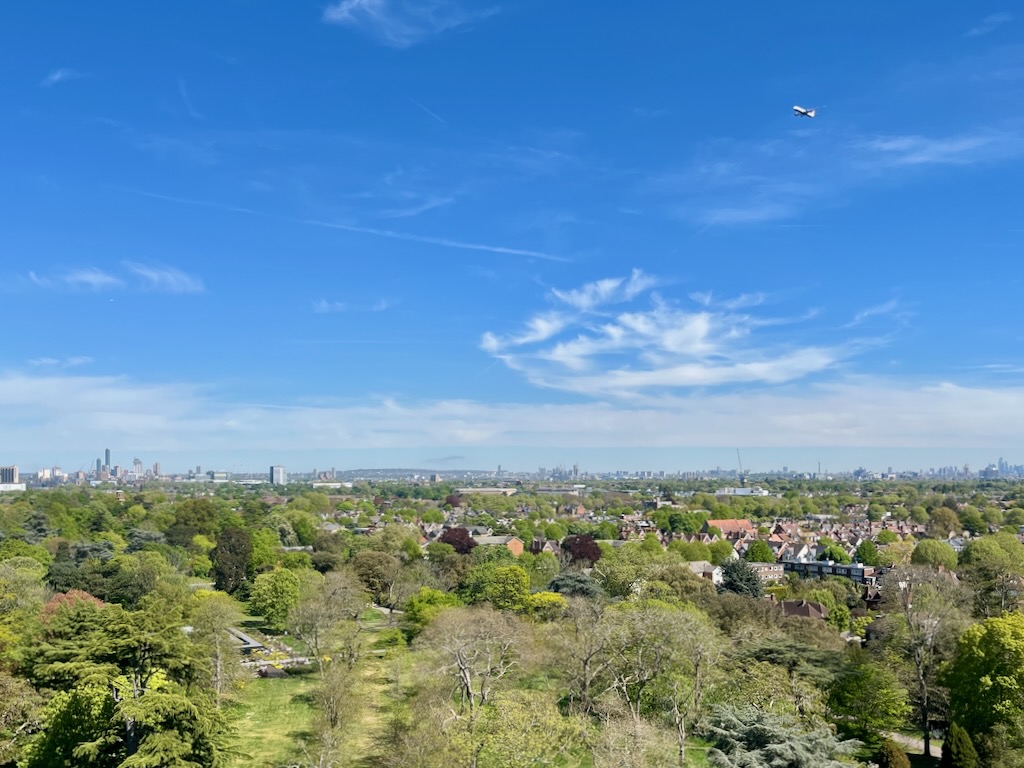
There are 253 steps. Entry costs extra on top of the gardens ticket, which feels pointed given what you find at the top. The climb is tight and wooden and the kind of thing your knees register. What you get at the top is a view, and on a clear day it is a good one. London spreads out in every direction, flatter and greener than you expect. Whether the pagoda alone justifies the surcharge is a question worth asking before you join the queue.
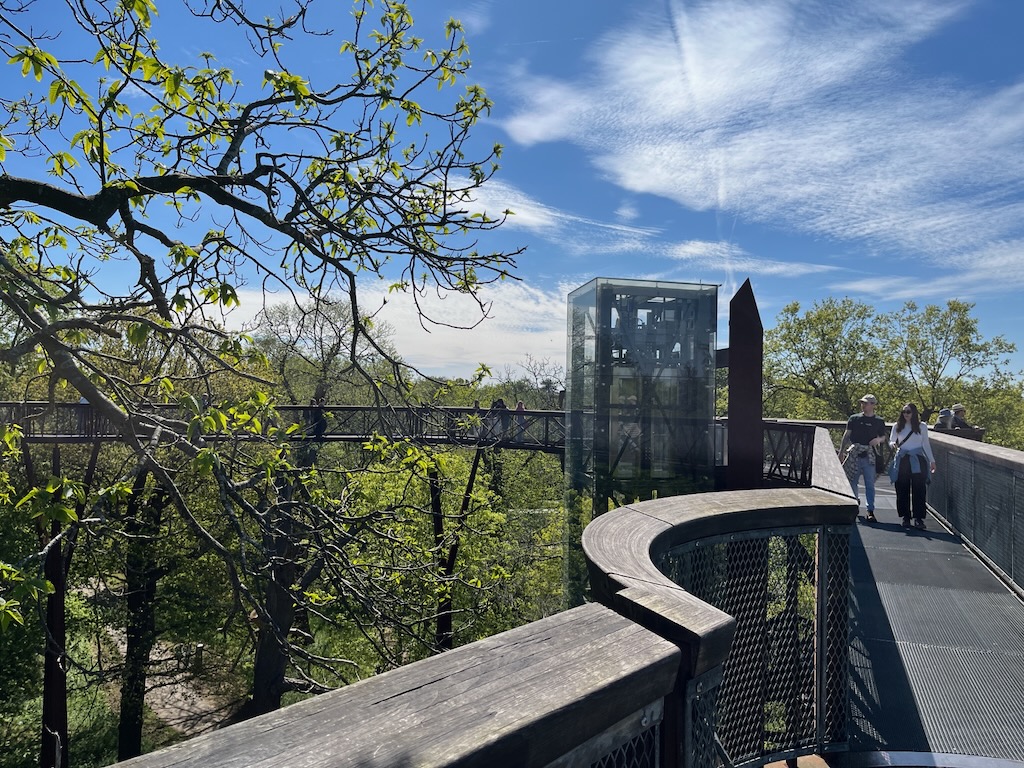
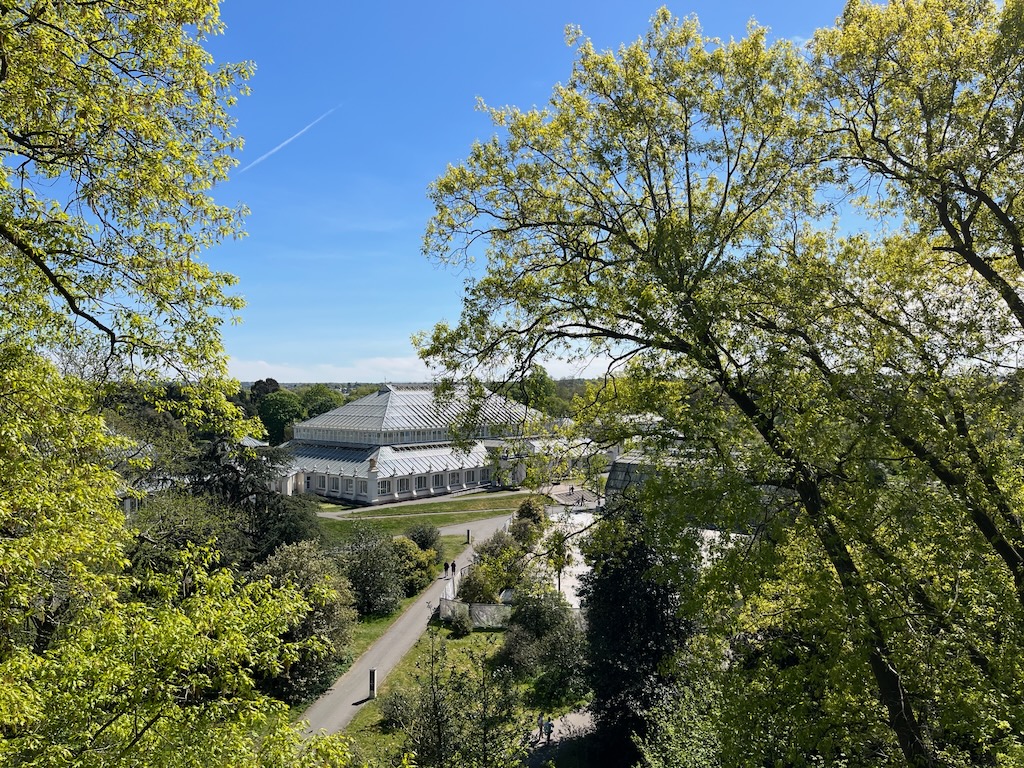
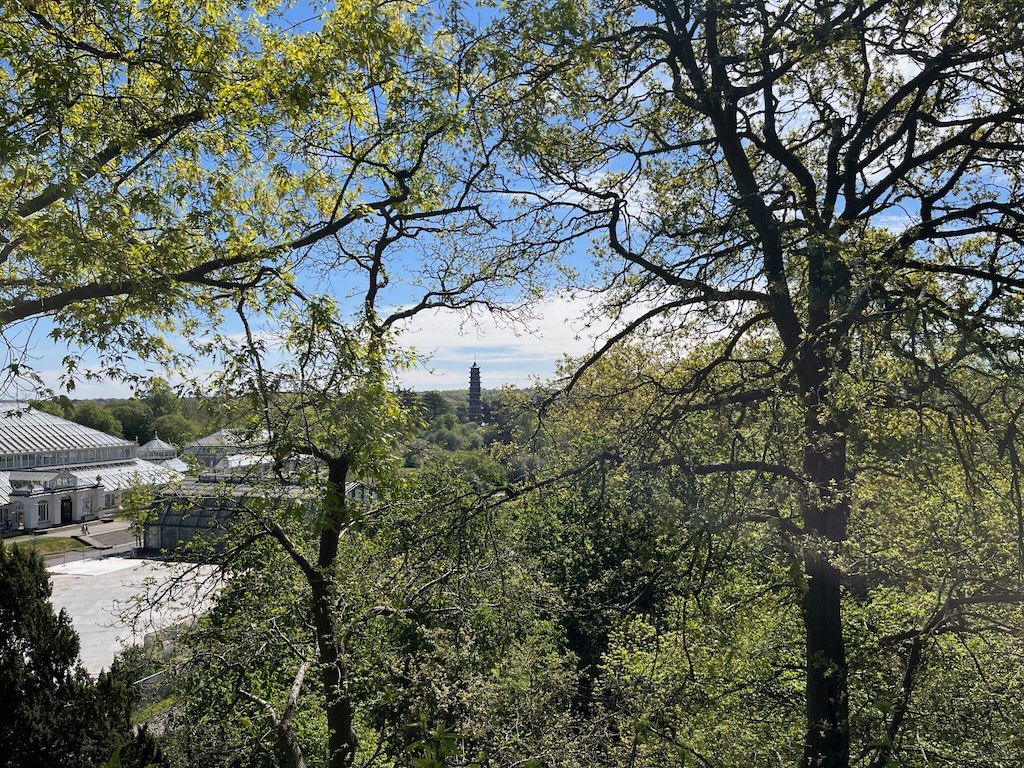
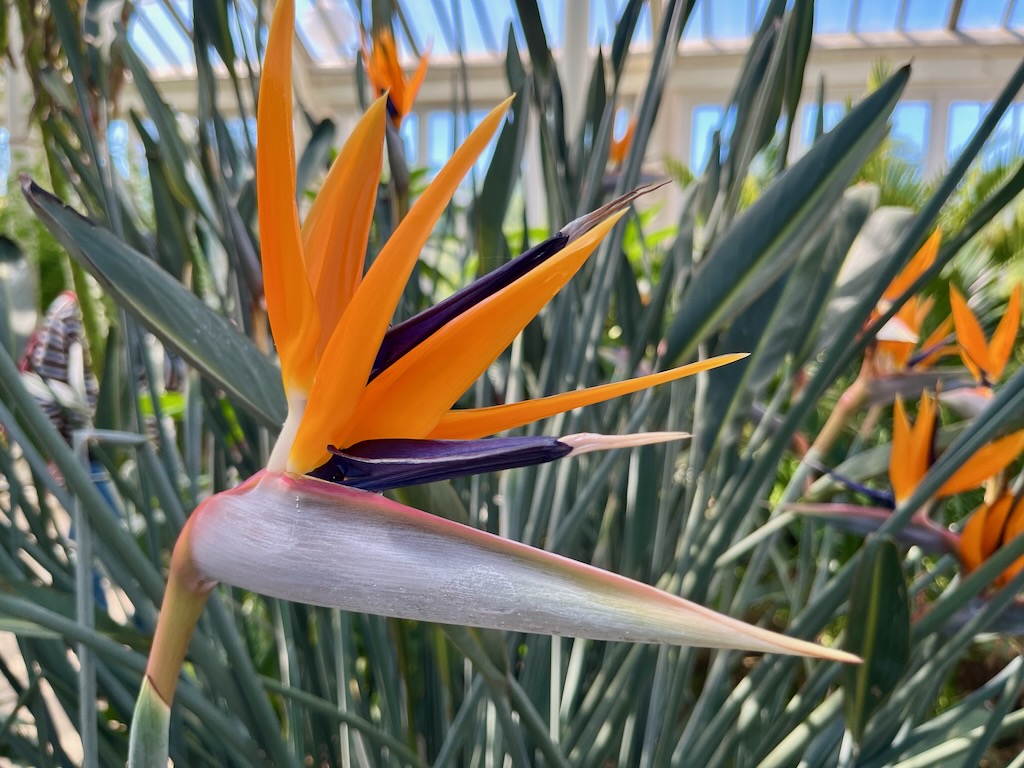
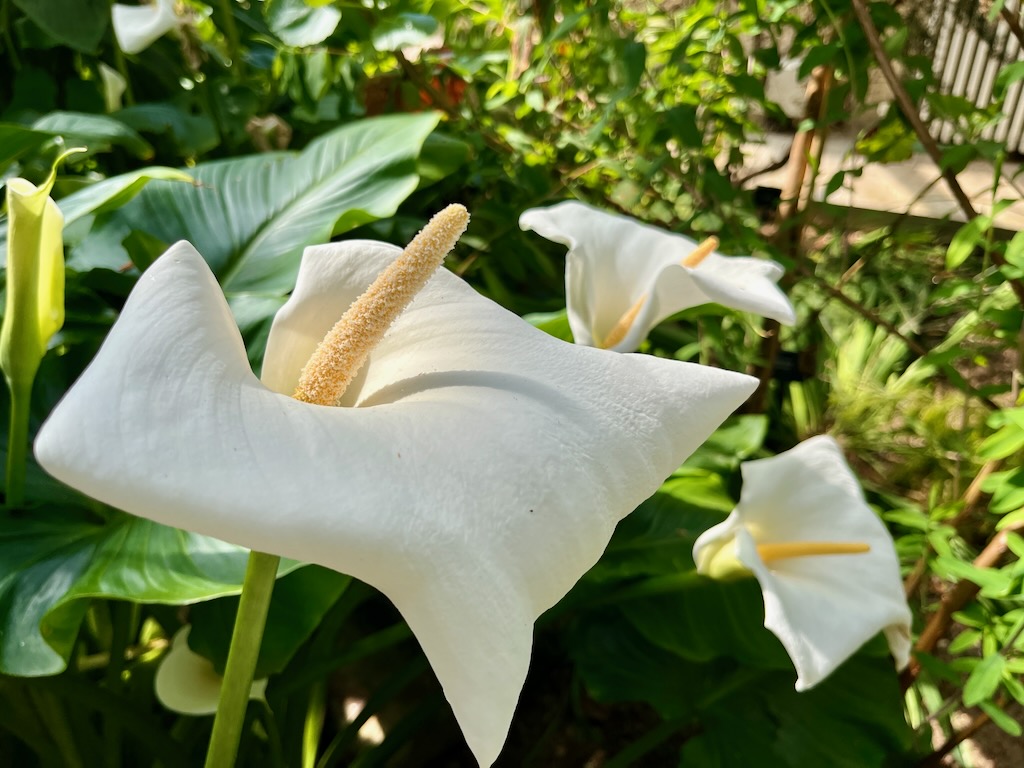
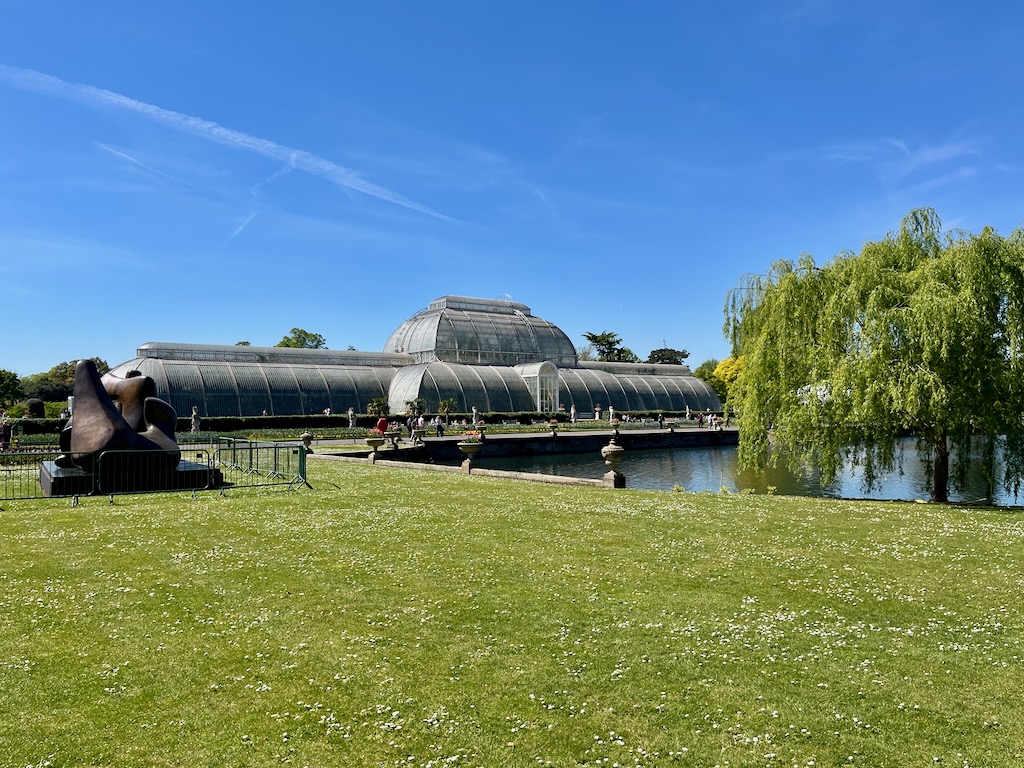
The gardens themselves are designed to disorient you gently. You think you know where you are and then you turn a corner into something completely different. The Palm House, a Victorian cathedral of iron and glass. The Hive, a humming aluminium lattice that responds in real time to the activity of a live bee colony elsewhere in the gardens. The Temperate House, the largest Victorian glasshouse in the world, home to 10,000 individual plants.
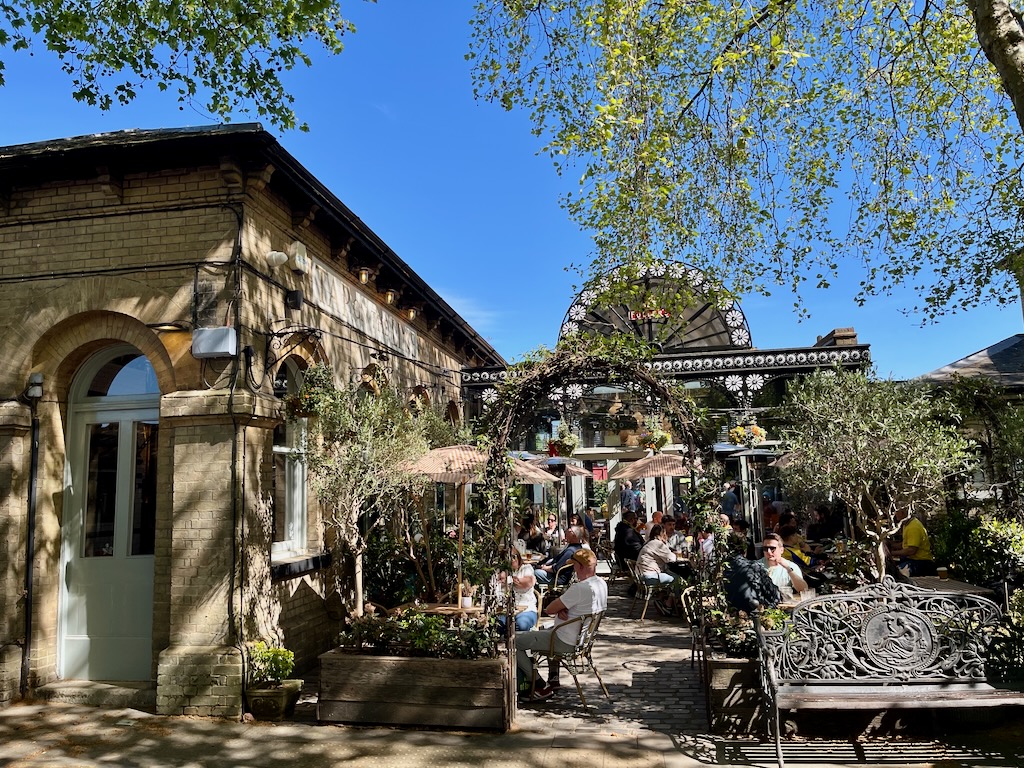
I left in the middle of the afternoon and walked into Kew village. It is the kind of place that stops you. Small, unhurried, good looking in a way that does not try too hard. Worth half an hour of anyone’s time before the District line takes you back.
🚂 Follow the journey
🍽️ Stephen Plume writes about food, trains, and the people in between.
🚆 The Slow Train: Monthly rail stories. Join for my vetted regional food lists
🧳 Travel Kit: Curious about what I pack for the rails? See the list here

Leave a Reply