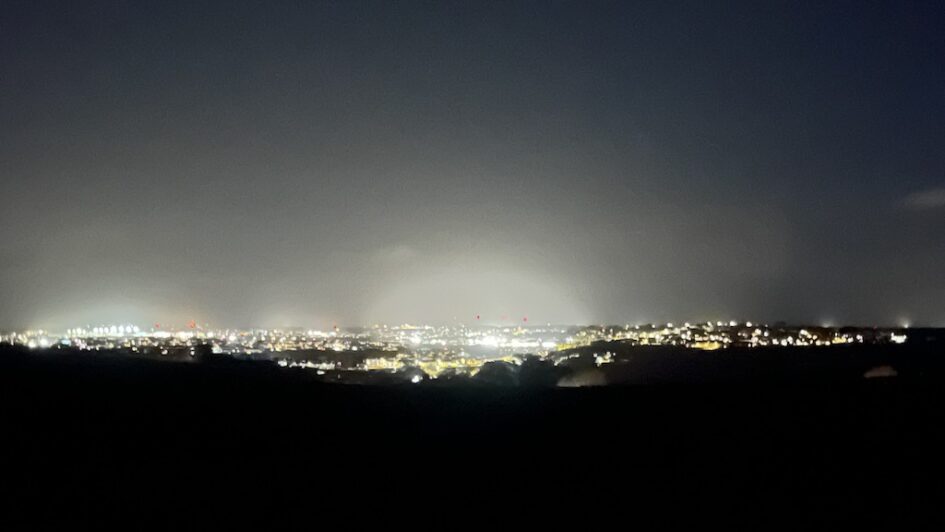
February has a particular quality to it. In Cornwall, the noise of the summer season has long since evaporated. The calendar is lighter. The coastal towns feel less performative and more like themselves. This is when the county is at its most honest.
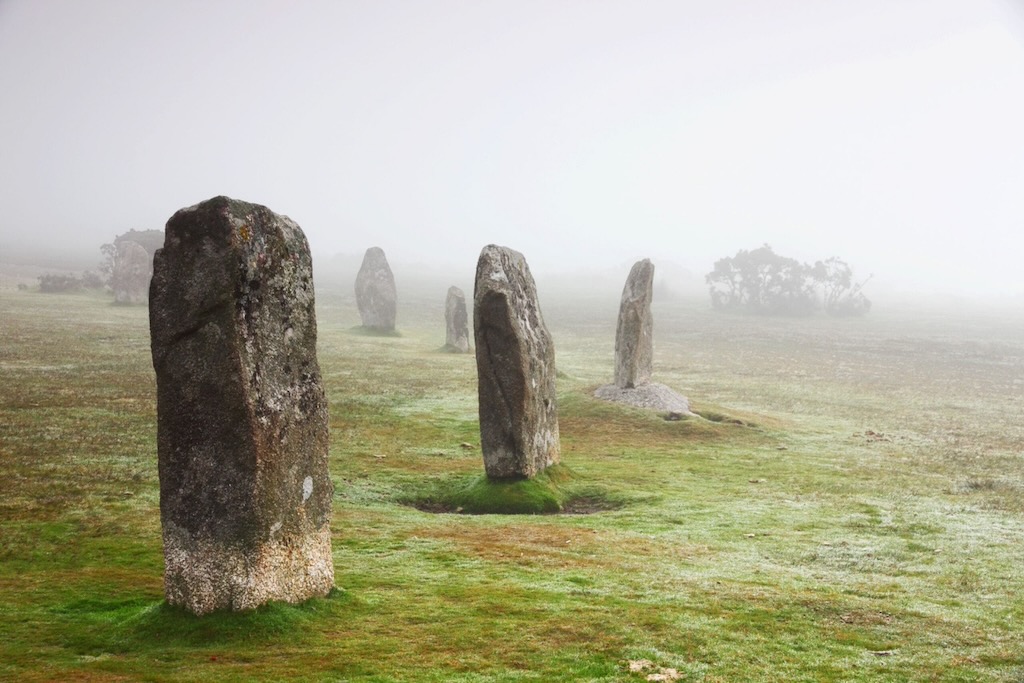
I spent three days in early February drifting through St Austell, Truro, Newquay, and Bodmin. I arrived in the quiet window that followed a period of genuinely punishing weather.
Charlestown: a moment of stillness
Charlestown is usually a backdrop for period dramas, a place of polished brass and tourist footfall. But visiting after the recent storms, the atmosphere was different. It felt like a community catching its breath.
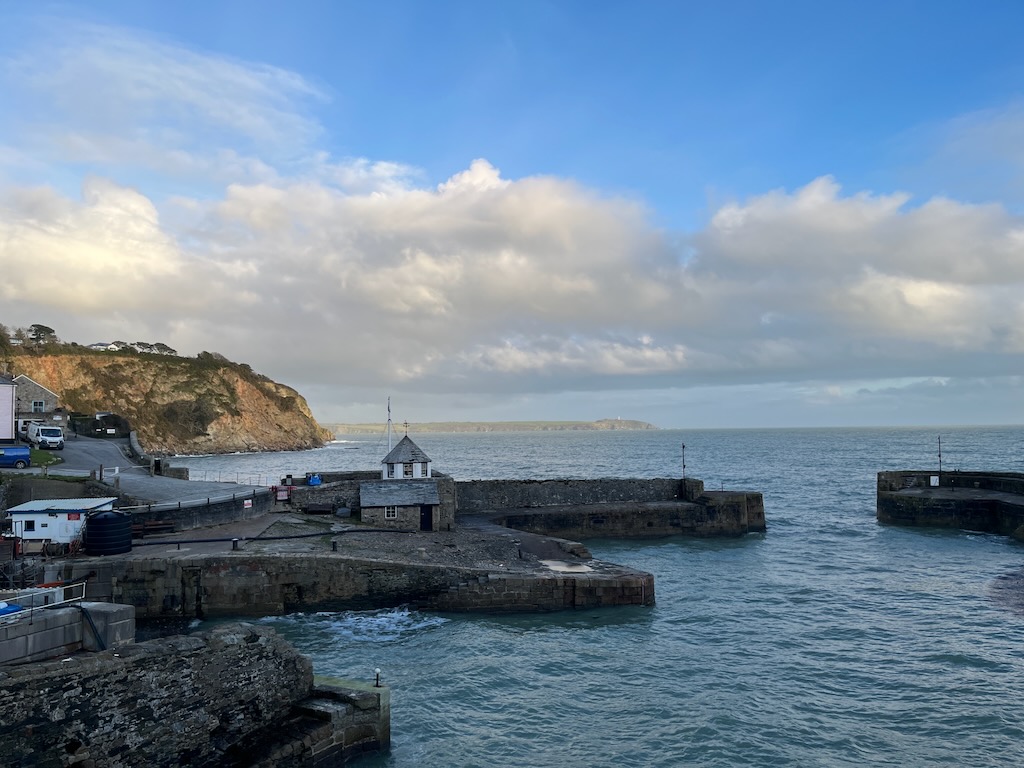
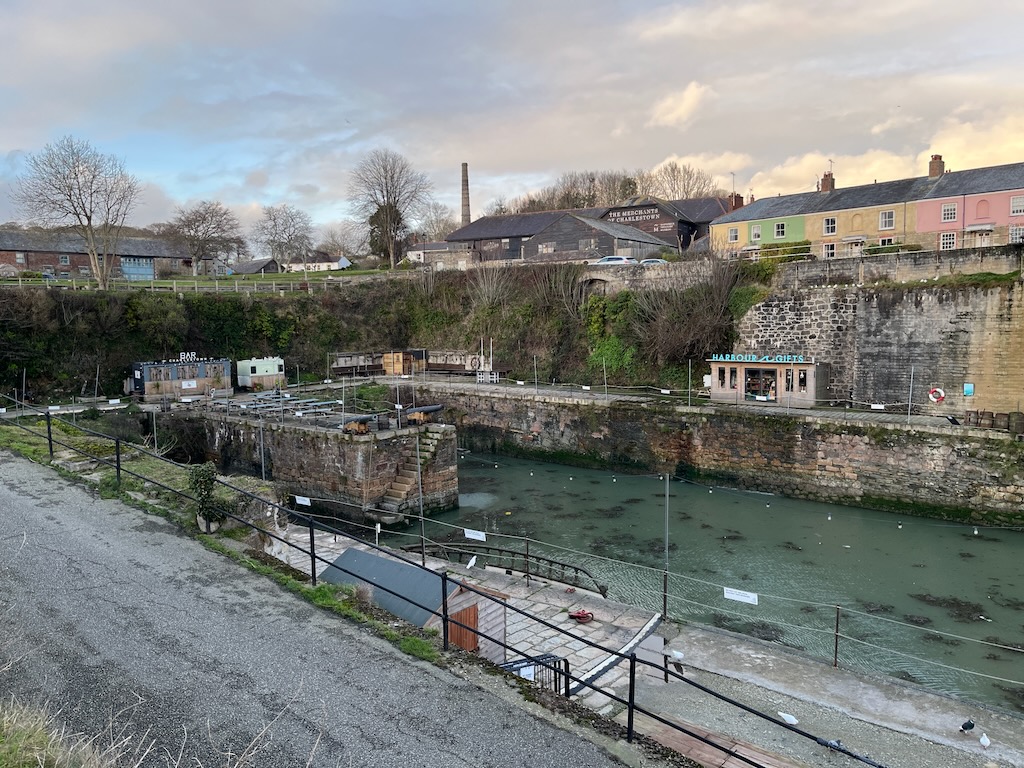
The harbour is famous for its historic fleet, but the recent weather had been disastrous for some of the boats here. Standing by the granite walls, you could see the vulnerability of the basin. The water was finally still, but the silence felt heavy as a hard-earned pause after the violence of the sea. There was a profound stillness here, not of a postcard scene, but of a working port standing resilient against the elements. It was a sobering, quiet moment to wander.
Truro and the inland soul
Inland, the landscape is defined by stone and shadow. Truro Cathedral dominates the skyline, its spires pinning the low February clouds to the earth. The city doesn’t perform for visitors this time of year; it simply exists.
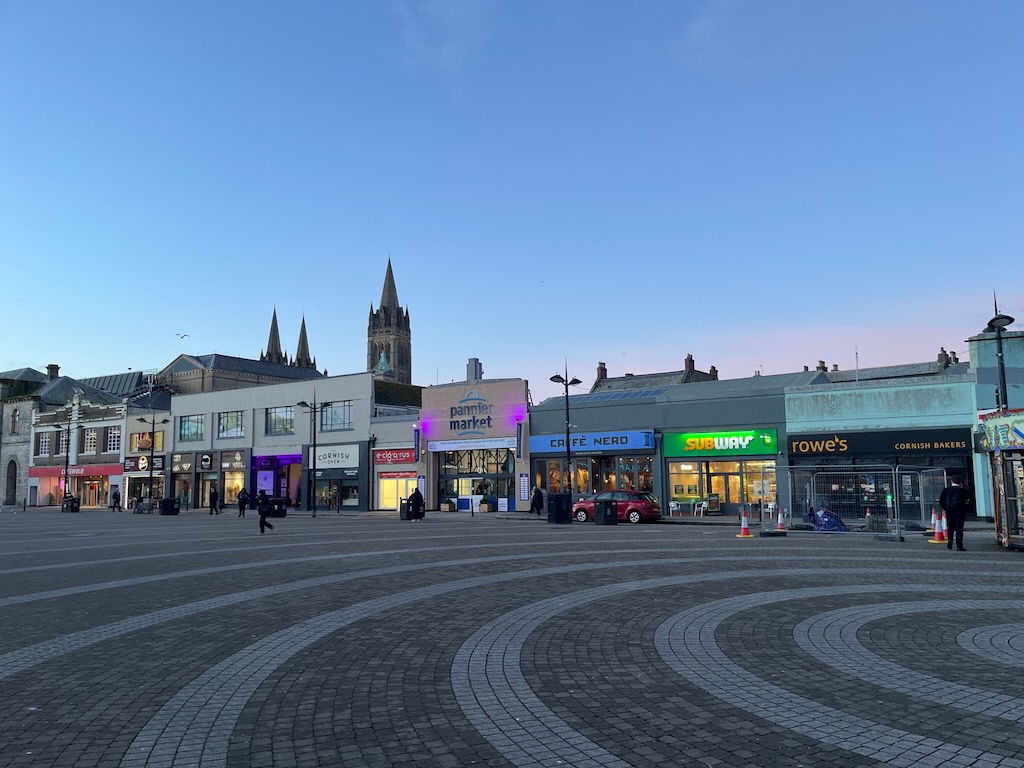
The industrial heritage around St Austell and Bodmin offers a different kind of beauty. The jagged skylines of the clay country aren’t “pretty” in the traditional sense, but they are real. They are reminders of a Cornwall that works for a living, long after the holiday lets have been locked up for the winter.
Finding the gaps between the highlights
I did not try to see everything. That felt important.
Whether it was the blue-hour glow over the Truro rooftops or the wind-scoured heights near Bodmin, the experience was about the lack of instruction. There was no correct route. I stopped when something caught my eye and moved on when it didn’t.
Cornwall can feel hard-edged and overwhelming during the peak months. In February, it becomes unexpectedly gentle. You start to notice the spaces between the landmarks—the quiet corners, the way the landscape breathes once the pressure of the crowds has finished.
This is a trip for those who prefer the quiet. Go when the weather is unpredictable. Go midweek if you can. Do not try to tick off a list. Let the off-season do its thing.

🚂 Follow the journey
🍽️ Stephen Plume writes about food, trains, and the people in between.
🚆 The Slow Train: Monthly rail stories. Join for my vetted regional food lists
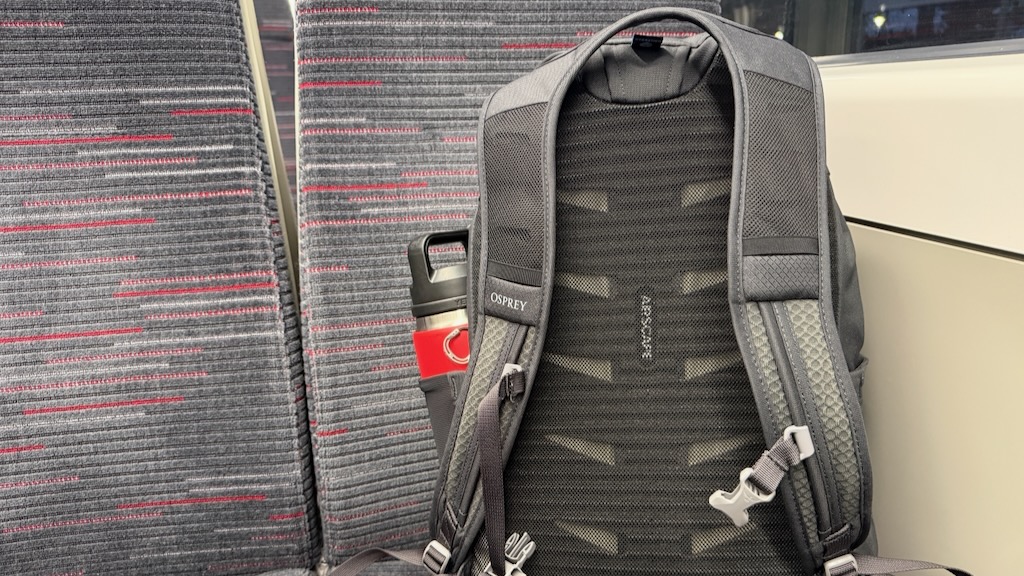
🧳 Travel Kit: Curious about what I pack for the rails? See the list here

Leave a Reply