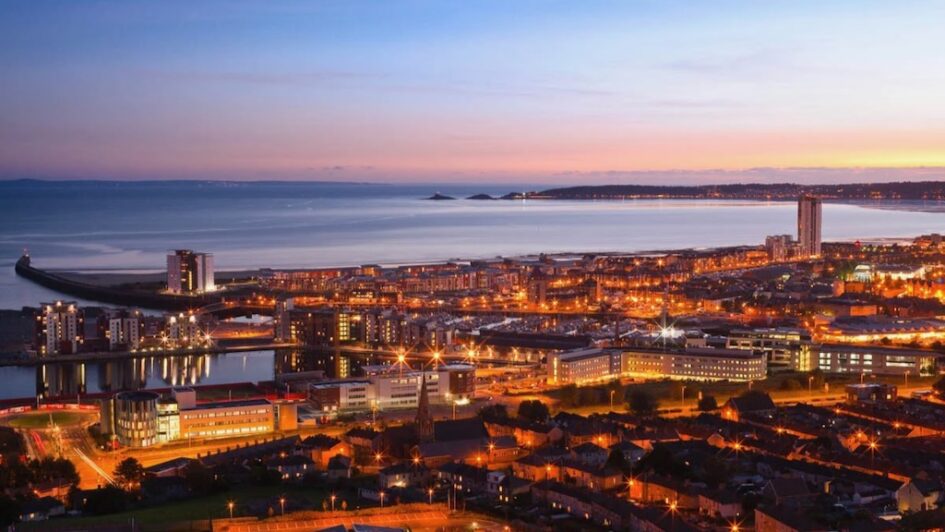
Swansea has always lived slightly in Cardiff’s shadow, which is rather unfair on a city that gave the world Dylan Thomas, sits beside one of Britain’s finest urban beaches, and has a food market that quietly outperforms places with far grander reputations. If Cardiff is Wales’ confident capital, Swansea is its more relaxed younger sibling. It feels less polished, more lived in, and all the better for it.

Arriving by train, you are only a few minutes from the city centre, the market and the marina. Within half an hour you can be standing beside Swansea Bay, looking across five miles of sweeping coastline that curves away towards Mumbles Head.
Arrival and first impressions
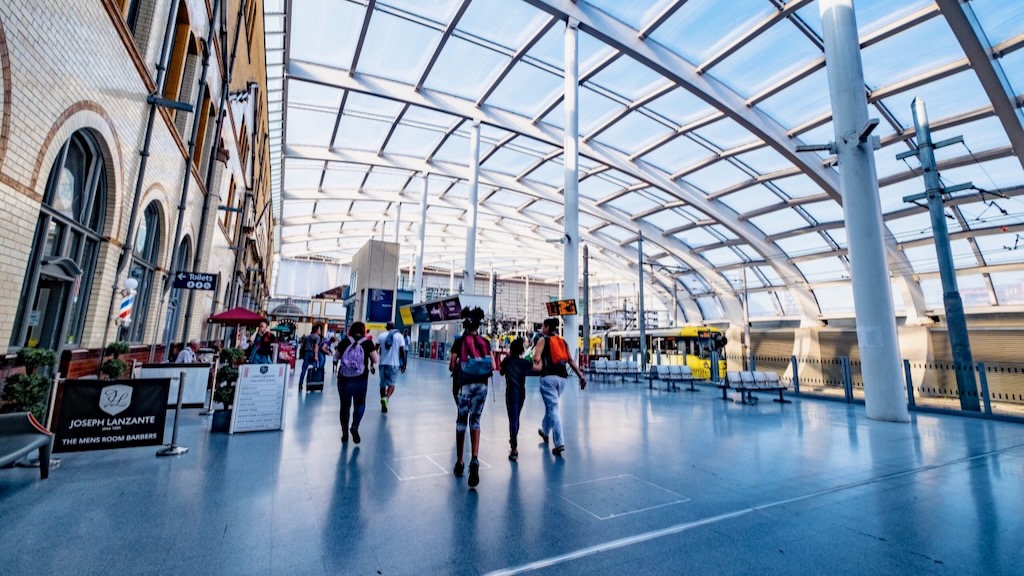
Swansea station sits just north of the city centre, making almost everything walkable. The route into town passes the market before opening onto Castle Square and the regenerated waterfront.
Much of the original city disappeared during the Blitz in February 1941, when Swansea endured three nights of devastating bombing. That history explains why visitors expecting medieval streets instead find broad avenues and post-war architecture. The city rebuilt itself differently, and over the past two decades has quietly reinvented itself once again.
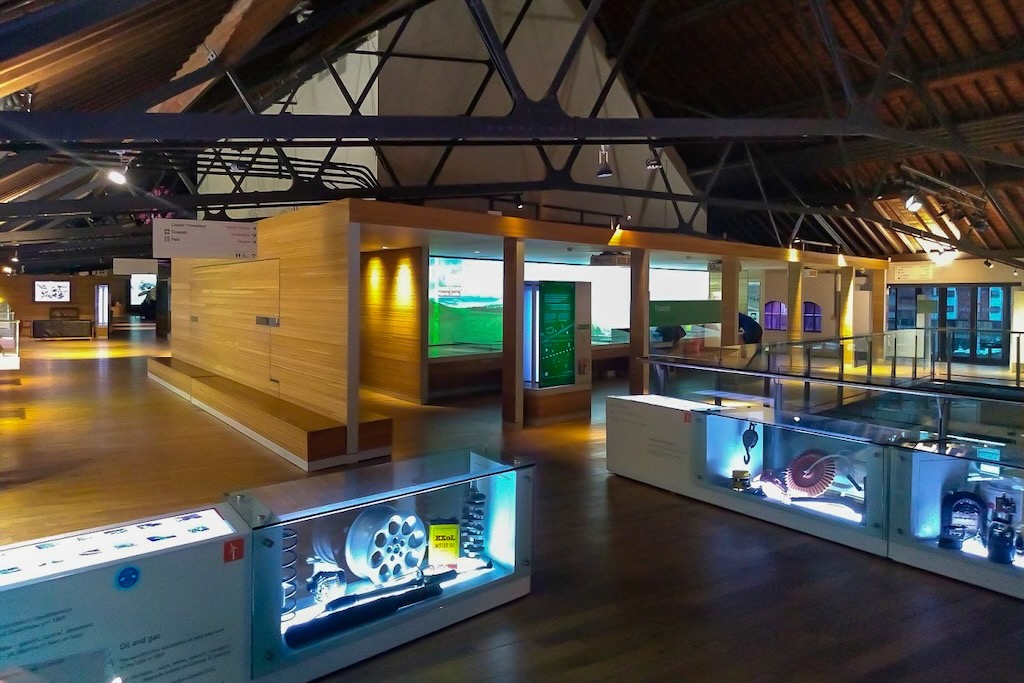
Today the marina, National Waterfront Museum and SA1 development have stitched the city back towards the sea. It feels open, airy and unmistakably coastal.
Why Swansea works as a destination
Few British cities combine an urban centre with such immediate access to the coast.
Swansea Bay stretches for five miles, with a wide promenade linking the city to Mumbles. Walkers, runners and cyclists all share the route, while the beach itself somehow manages to feel spacious even in summer.
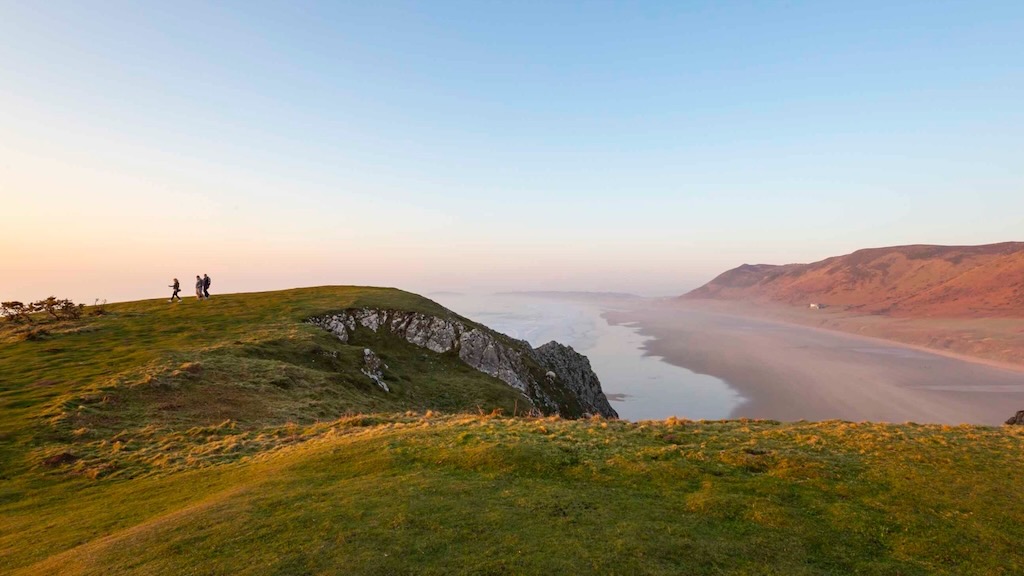
Beyond the city lies the Gower Peninsula, Britain’s first designated Area of Outstanding Natural Beauty and still one of its finest coastal landscapes. Rhossili Bay regularly appears among Europe’s best beaches, yet feels surprisingly accessible by public transport from Swansea.
Literature lovers inevitably gravitate towards Dylan Thomas. His influence remains everywhere, from the Dylan Thomas Centre to the streets that inspired much of his writing.
Where to eat
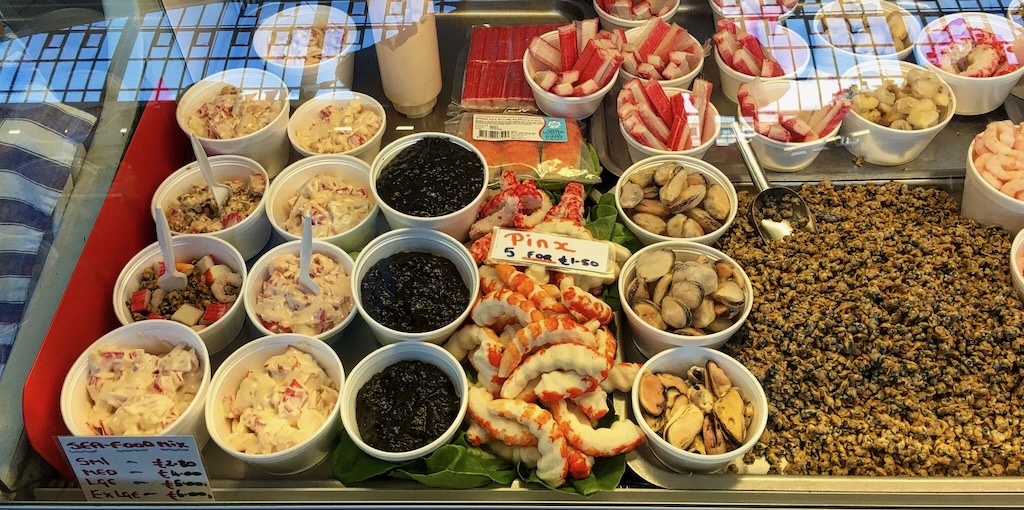
Swansea Market remains one of Britain’s best indoor markets and is reason enough to visit the city. This is where you’ll find traditional Welsh laverbread, cockles gathered from the nearby estuary, freshly baked Welsh cakes and independent traders who have served locals for generations. If you only eat in one place, make it here.
For seafood, The Oyster House in Mumbles combines local shellfish, fresh fish and uninterrupted views across Swansea Bay. Arrive hungry and, if the weather allows, sit outside.
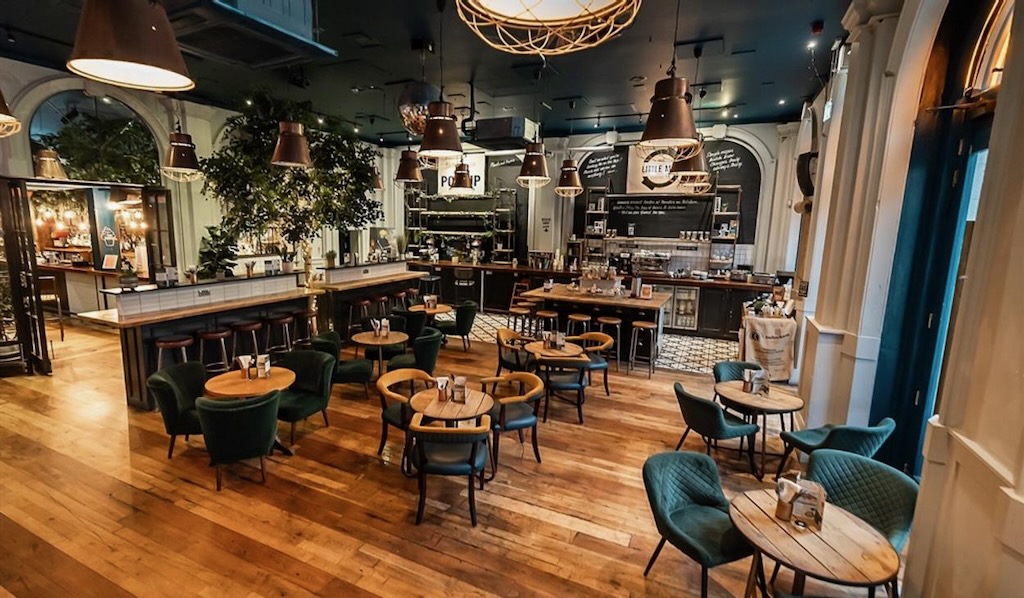
If you’re after something more contemporary, Swansea’s growing collection of independent cafés and restaurants around Wind Street and the marina provide plenty of choice without the queues and prices often found in larger cities.
Journey times
Transport for Wales and Great Western Railway provide regular services throughout the day.
- London Paddington to Swansea: around 2 hours 45 minutes
- Cardiff Central to Swansea: around 50 minutes
- Bristol Temple Meads to Swansea: around 2 hours
- Birmingham New Street to Swansea: around 3 hours
🚂 Follow the journey
🍽️ Stephen Plume writes about food, trains, and the people in between.
🚆 The Slow Train: Monthly rail stories. Join for my vetted regional food lists
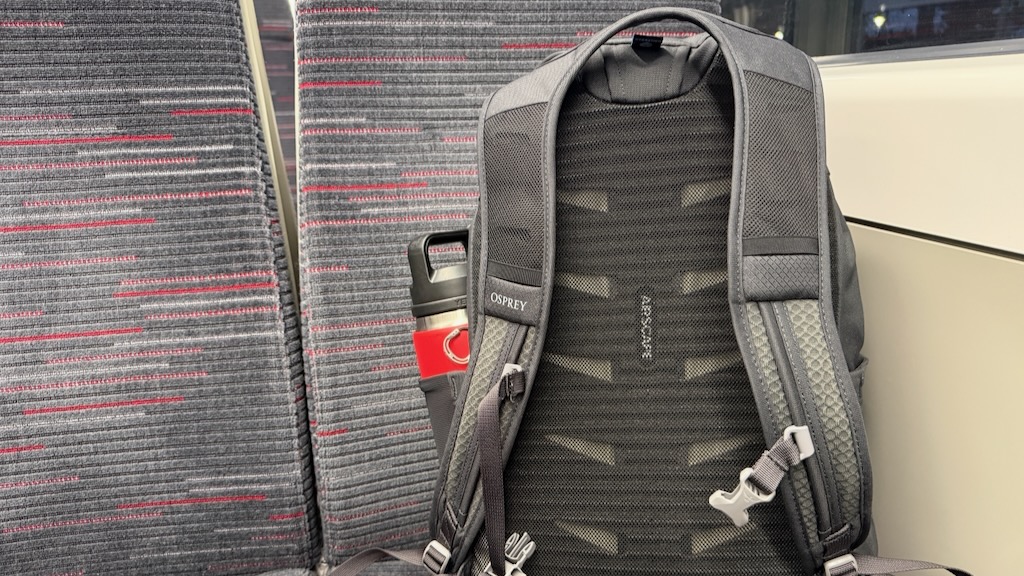
🧳 Travel Kit: Curious about what I pack for the rails? See the list here

Leave a Reply