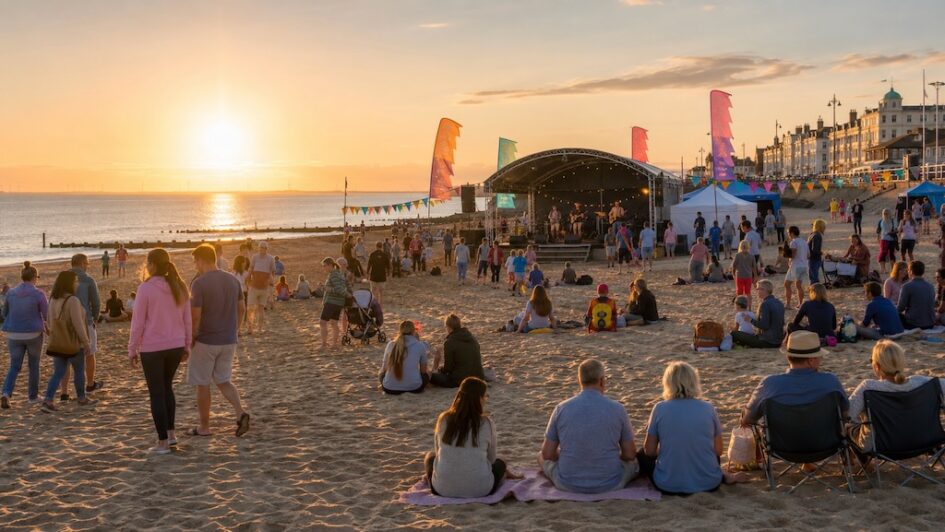
Every June, Britain experiences its longest day.
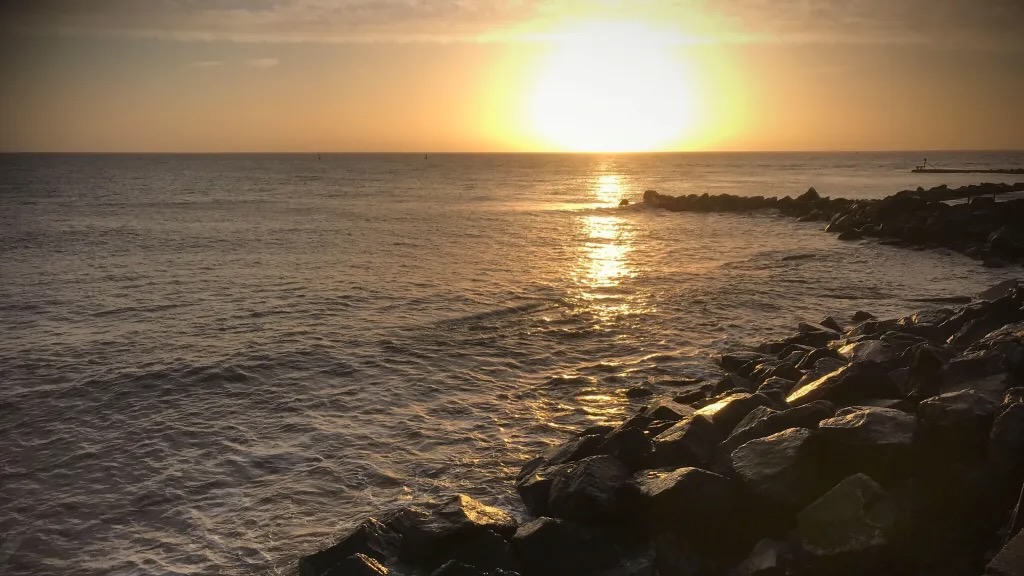
For a few precious days around the summer solstice, daylight stretches from before five in the morning until well after half past nine in the evening. Most of us simply notice the longer evenings. In Lowestoft, Britain’s most easterly town, the occasion has become something worth celebrating. Before dawn, people gather on the beach to welcome one of the first sunrises in the country and mark the arrival of the longest day.
For railway travellers, however, the solstice offers something rather different.
It creates one of Britain’s most remarkable journeys.
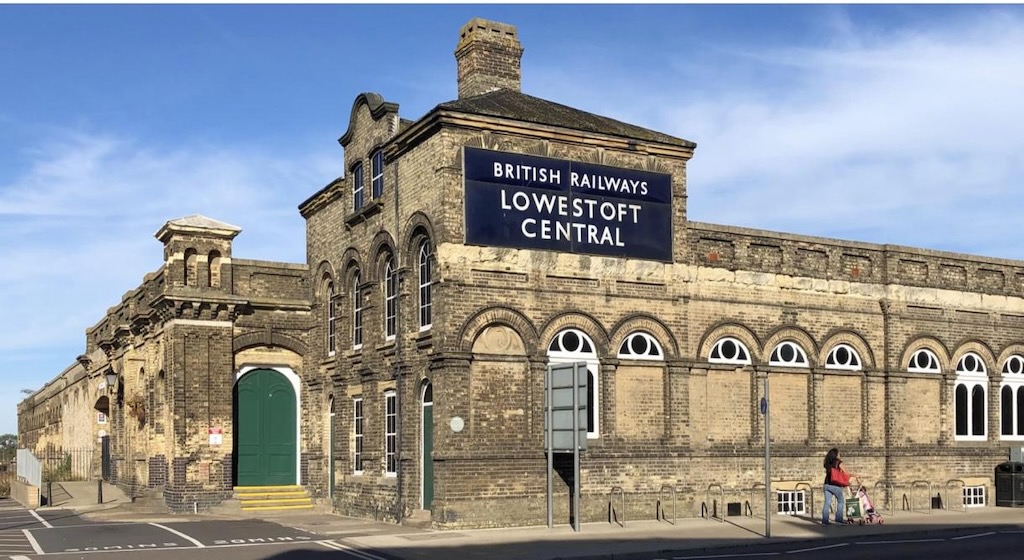
Stay overnight in Lowestoft and begin the day on the seafront as the sun rises over the North Sea. Then make your way to the station and board the first train of the day. From there, the railway does the rest. The Suffolk coast gives way to the capital. London gives way to Devon. Devon becomes Cornwall. By late afternoon, Penzance comes into view and only a few miles remain before you reach Land’s End.
Stand on the cliffs that evening and, if everything has gone to plan, you’ll watch the very same sun disappear into the Atlantic.
It sounds improbable.
Yet around the summer solstice, Britain’s railway quietly makes it possible.
This year’s longest day began shortly before 4.45 am in Lowestoft. The fastest journeys from Lowestoft to Penzance take a little over eight hours. Even allowing time to reach Land’s End after arriving in Cornwall, there is still enough daylight to watch the sun set beyond Britain’s western horizon.
The timetable has quietly created an adventure.
Nobody advertises it.
There are no special tickets, organised events or commemorative plaques celebrating the journey. Thousands of people travel from East Anglia to Cornwall every year, but very few do so with a single purpose, to follow the sun from one side of Britain to the other.
Perhaps more should.
Railways are often measured by punctuality, speed and capacity. Those things matter, but they tell only part of the story. Every so often the timetable offers something that goes beyond simply moving people from one place to another. It creates an experience that would be almost impossible by any other means.
The journey itself becomes part of the reward.
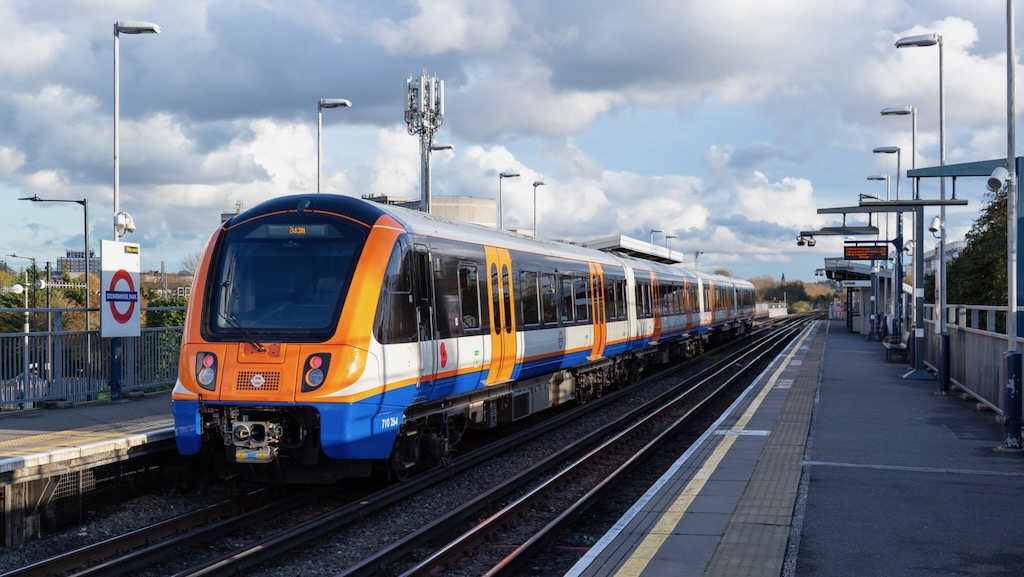
The broad skies of East Anglia slowly give way to the busy approaches to London. The Thames Valley becomes the rolling countryside of Somerset and Devon before Cornwall announces itself with dramatic coastline and sweeping sea views. Few days reveal Britain’s changing landscapes quite so completely.
The journey also serves as a reminder that Britain is larger than we sometimes imagine. It is easy to think of the country as small until you spend an entire day crossing it, watching counties, accents and scenery change one station at a time. By the time you reach the Atlantic coast, the sunrise over the North Sea can feel like it happened several days earlier.
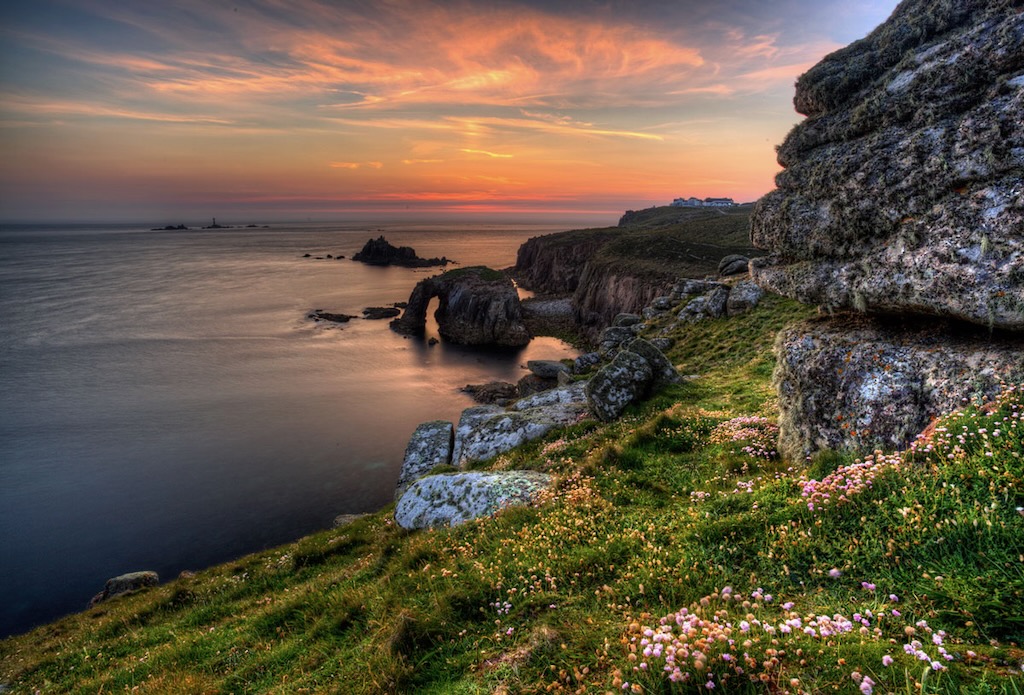
The opportunity only exists because of the longest day.
Return a few weeks later and the margin begins to disappear. By autumn, the journey no longer works. The trains remain much the same. The daylight does not.
That is what makes the idea so appealing.
It is not about completing a challenge or setting a record. It is about making the most of a day that comes around only once each year and allowing the railway to connect two moments that seem impossible to experience within a single day.
Sunrise over the North Sea.
Sunset beyond the Atlantic.
One of Britain’s most remarkable railway journeys has been quietly waiting in the timetable all along.
🚂 Follow the journey
🍽️ Stephen Plume writes about food, trains, and the people in between.
🚆 The Slow Train: Monthly rail stories. Join for my vetted regional food lists
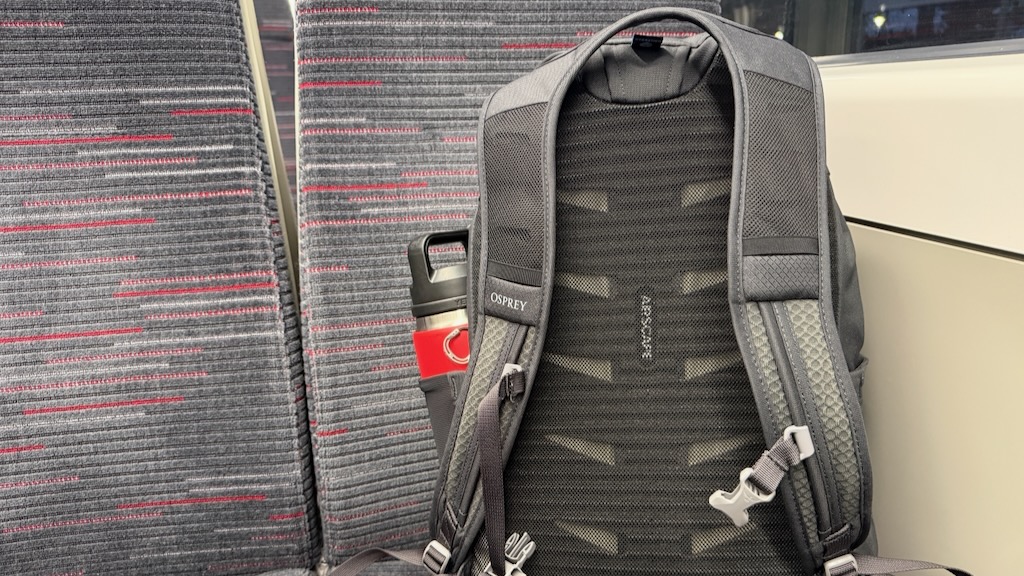
🧳 Travel Kit: Curious about what I pack for the rails? See the list here

Leave a Reply