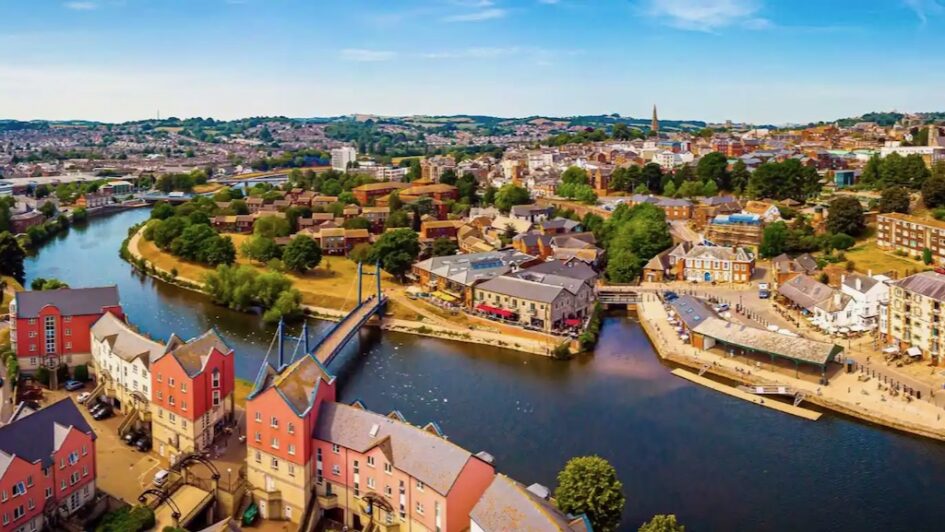
One of the useful things about travelling by train is noticing where journeys change character. Exeter St David’s is one of those places. It still feels close to London in rail terms, yet it marks the point where travel west begins to slow, stretch out, and open into something different.
This is not just a through station. Exeter works as a pause, an overnight base, or a destination in its own right. Arrival is calm, the city is compact, and the wider west of England begins to fan out beyond it.
Arrival and first impressions
Exeter St David’s sits just outside the city centre, but the distance works in its favour. A short walk or quick bus ride brings you into town, passing residential streets rather than retail sprawl. The station itself feels purposeful rather than grand, shaped by geography and junction logic rather than display.
Crucially, journeys here are still fast and direct from London. That sense of proximity matters. Exeter feels reachable without effort, which makes it a practical place to stop before journeys slow further west.
Why Exeter works as a base
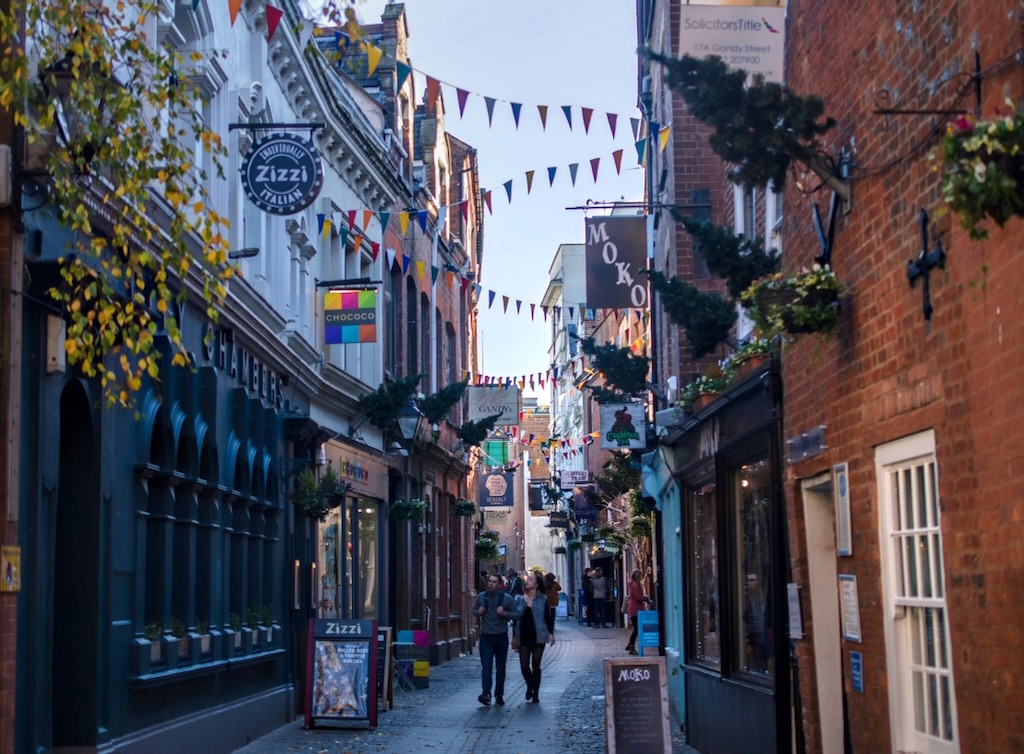
Exeter is small enough to understand quickly but substantial enough to fill a weekend. The city centre is walkable, with historic streets, the cathedral close, riverside paths and independent shops all within easy reach of each other.
It also works as a decision point. From here, lines continue west towards Devon and Cornwall, north towards North Devon, and east back along the mainline. Staying overnight lets you arrive unhurried, explore the city, and choose what comes next without rushing.
Where to stay
A central base works best in Exeter, especially if you are arriving late or continuing west the next day. The Novotel Exeter Centre sits within easy walking distance of the cathedral, the river and the station area, making it a reliable choice for car-free travel. Being able to step out on foot in the evening and return easily after dinner matters more here than views or extras, particularly if Exeter is acting as a hinge rather than a final stop.
What to do with your time
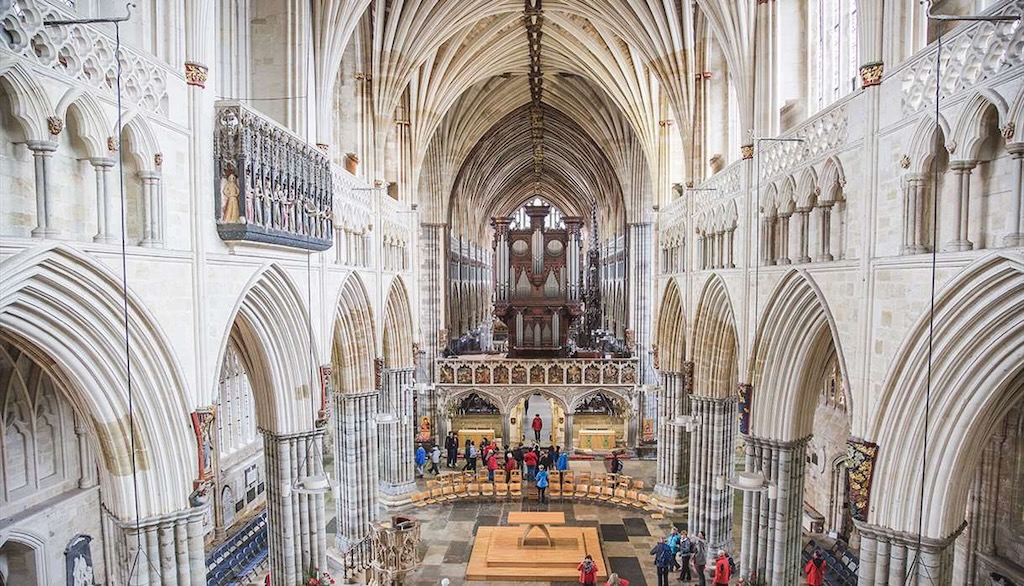
The cathedral is the natural anchor, surrounded by quiet streets and cafés that suit slow wandering. From there, riverside walks along the Exe offer space and calm, with paths that stretch well beyond the centre if you want longer movement.
The city also suits shorter loops. Markets, historic passages and small museums fill time naturally without the pressure to see everything.
Where to eat
Exeter’s food scene is confident rather than showy. Restaurants and pubs tend to favour solid cooking over trend chasing, which suits a city that sees travellers passing through as well as locals staying put.
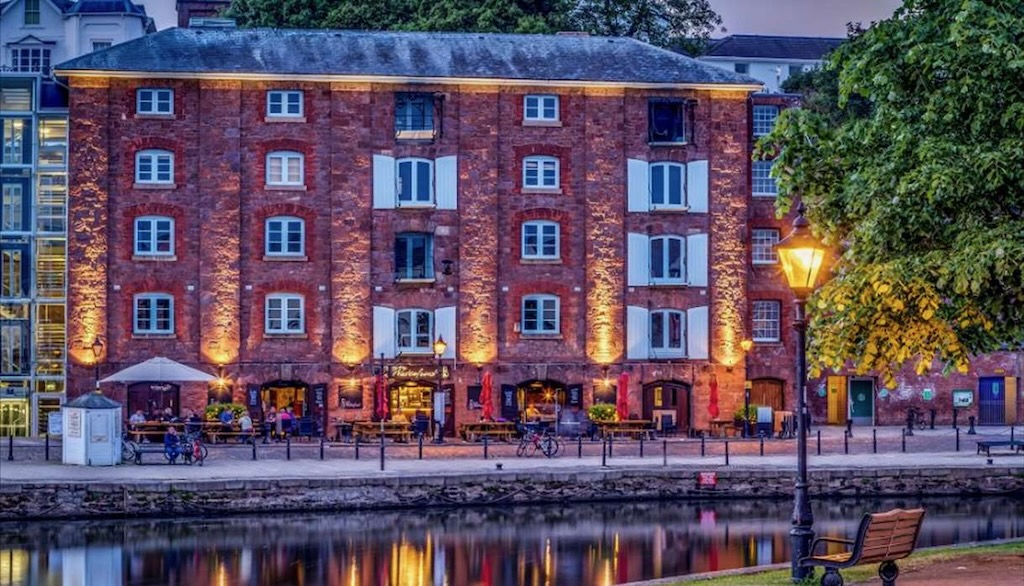
On The Waterfront, beside the Exeter Ship Canal, works well for a relaxed evening. It is an established, long-running restaurant with outdoor seating in warmer months and a menu that suits unhurried dining after arrival. The canal setting reinforces Exeter’s role as a threshold between city and coast rather than a destination that demands late nights.
Why it makes sense by train
Exeter St David’s succeeds because it sits at the right point in the network. It is still fast to reach, easy to navigate, and simple to leave. Beyond it, journeys lengthen and stations thin out. Before it, the mainline rhythm still holds.
That makes Exeter a hinge rather than a halt. A place where you can stop comfortably, reset your pace, and decide whether to stay local or head further west.
Sometimes the most useful stations are not the loudest or the furthest. They are the ones that let the journey change gear without friction.

🚂 Follow the journey
🍽️ Stephen Plume writes about food, trains, and the people in between.
🚆 Join The Hungry Passenger community. Click here
🧳 Curious about Stephen’s travel kit? Click here



Leave a Reply