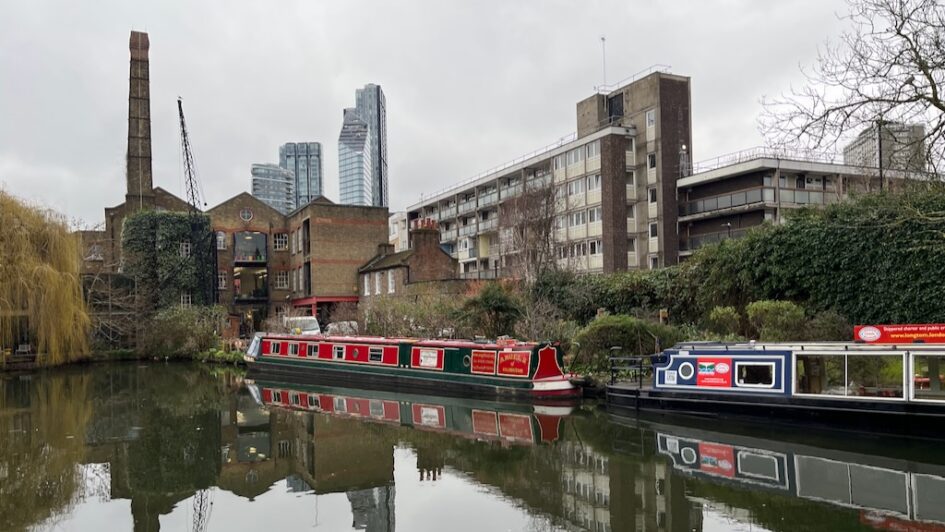
I arrived at the towpath already carrying something. The Shepherdess Walk mosaics had done that to me earlier in the morning, left me with a particular kind of inner glow, and I set off westward along the water with it still warm.
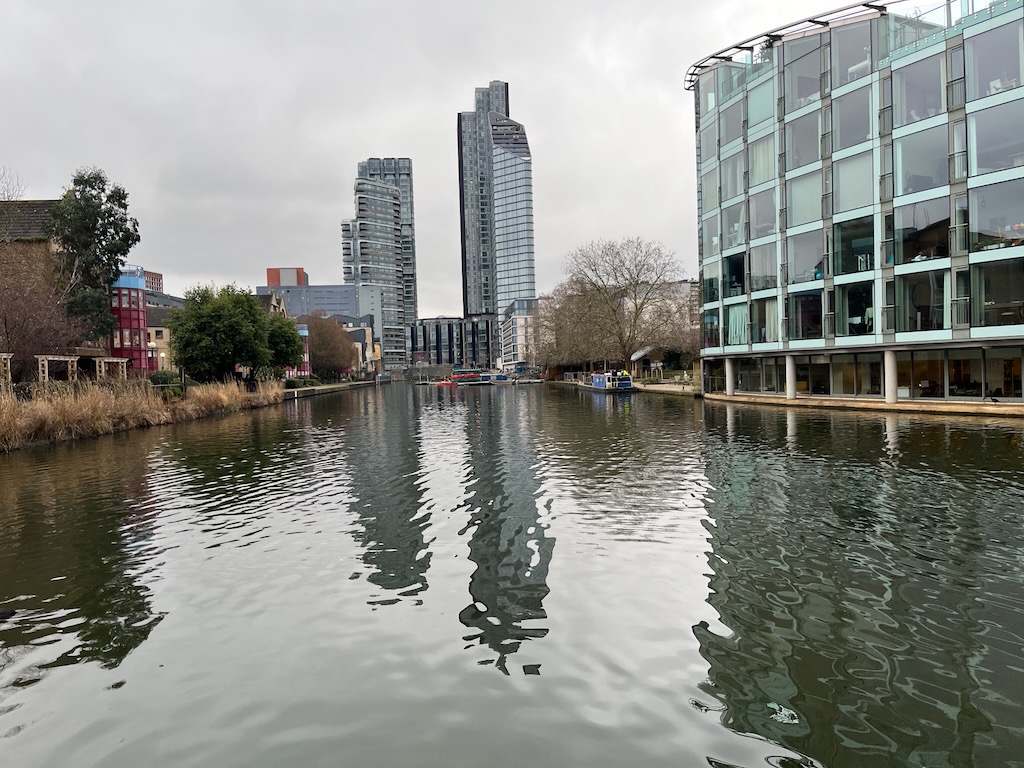
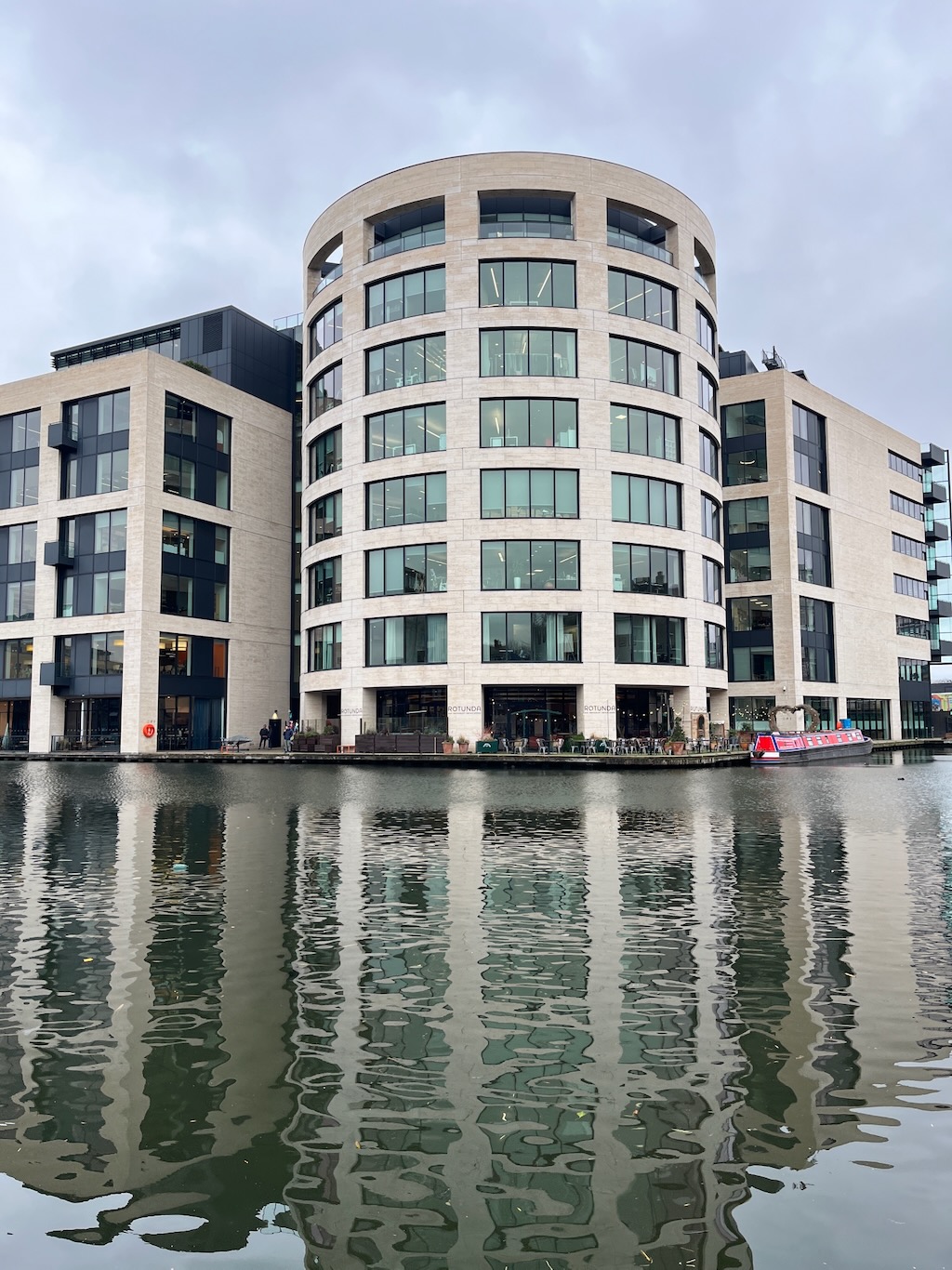
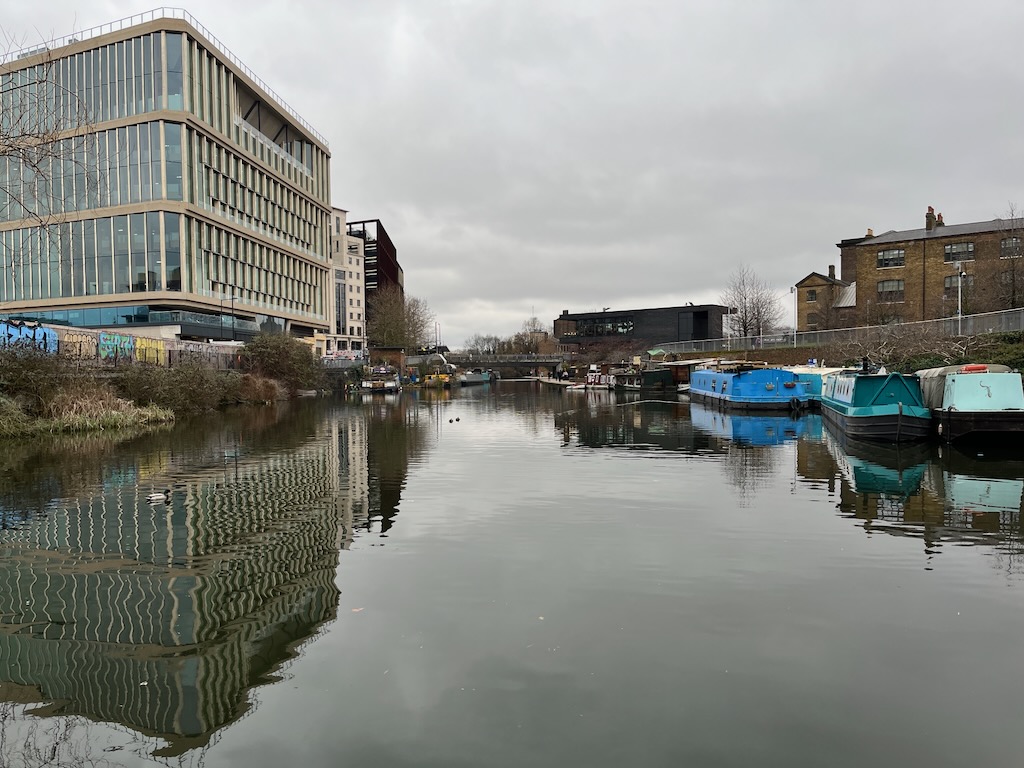
The Regent’s Canal runs for around 14 kilometres from Limehouse to Paddington Basin. I joined it near City Road Basin and walked the western half, around 10 kilometres, on a grey day that felt, from the inside, like glorious technicolour.
The canal slows you down. Not because it is difficult but because water sets a different pace. You stop watching the clock. You start watching the surface.
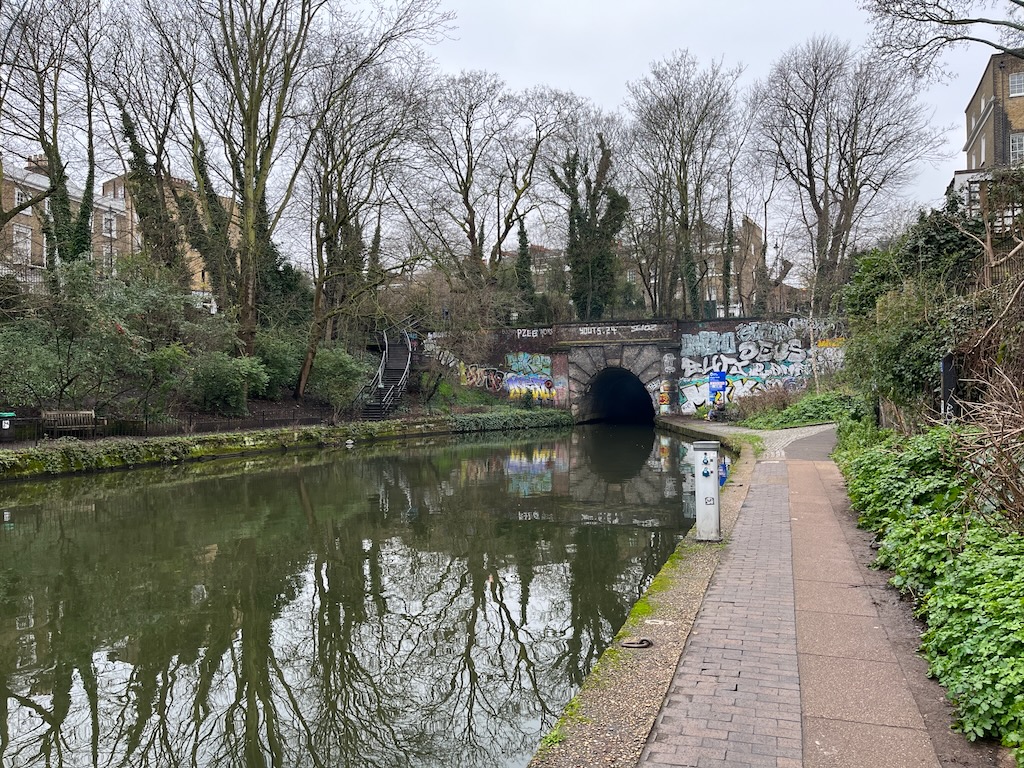
The Islington Tunnel sends walkers overground for a stretch before the towpath pulls you back.
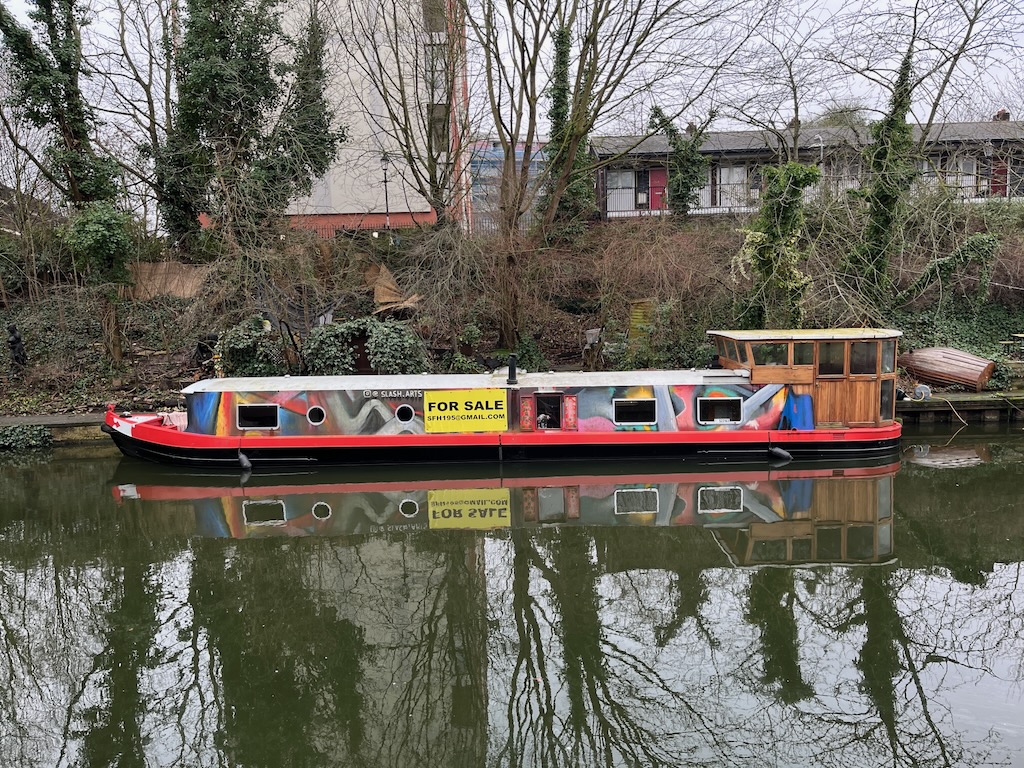
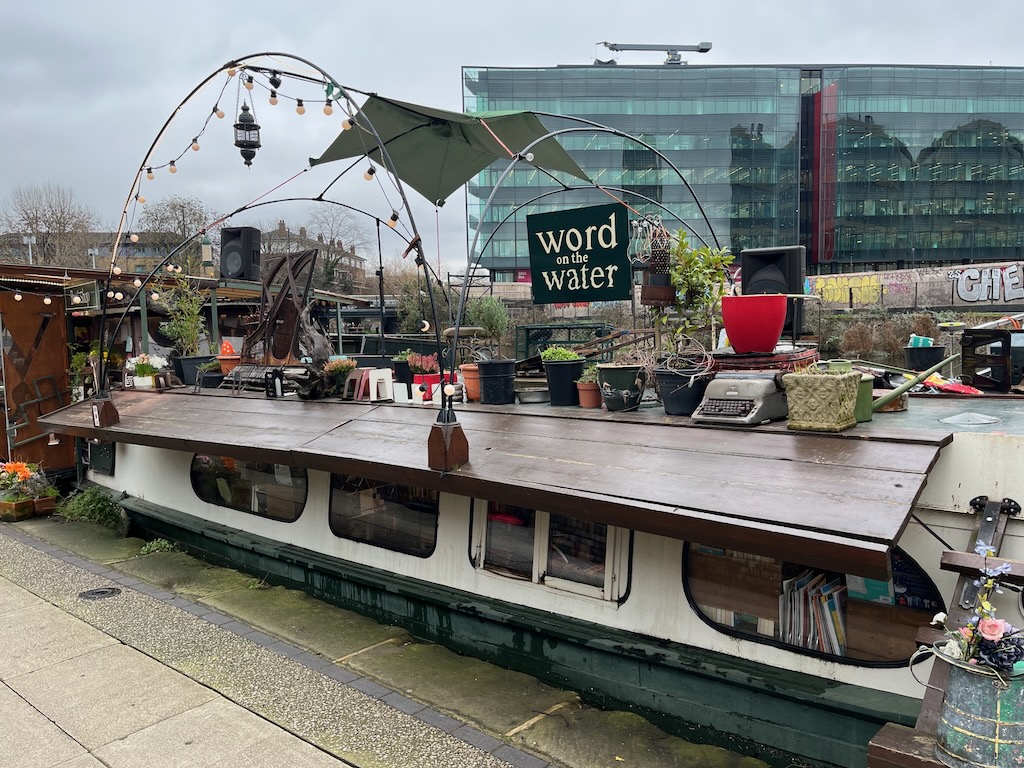
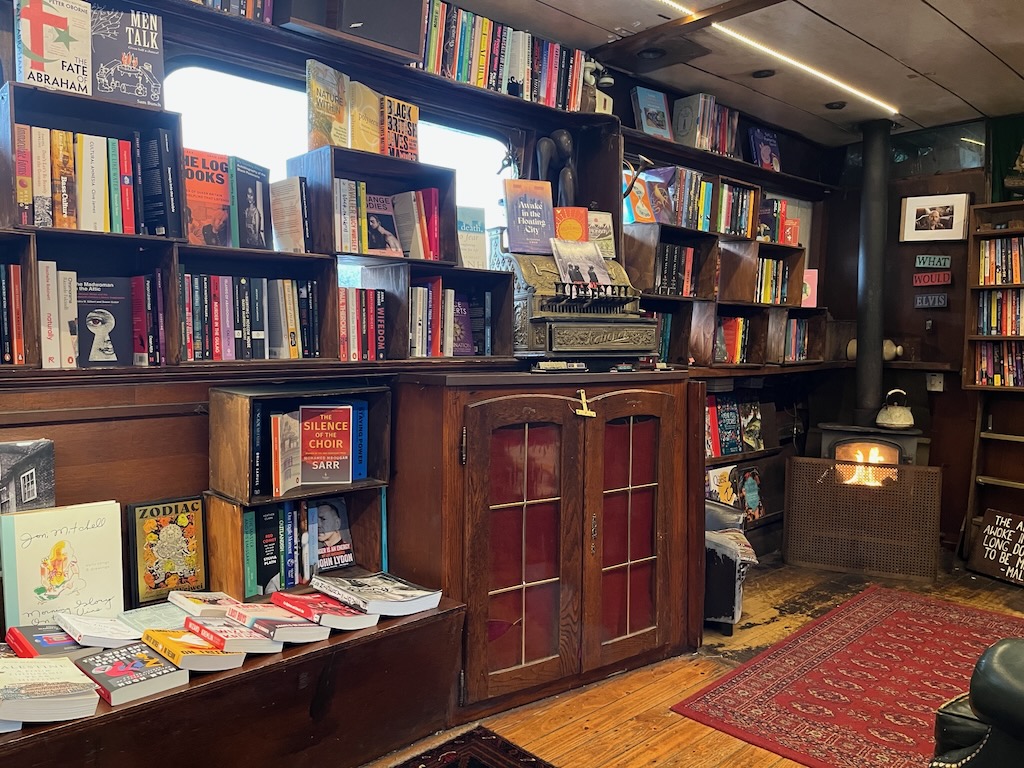
Word on the Water appeared around a bend and I went aboard. It is a 1920s Dutch barge and it has been a bookshop since 2011. The wood burner was going. I stood in the warmth longer than was strictly necessary and thought about what it would mean to sail her away.
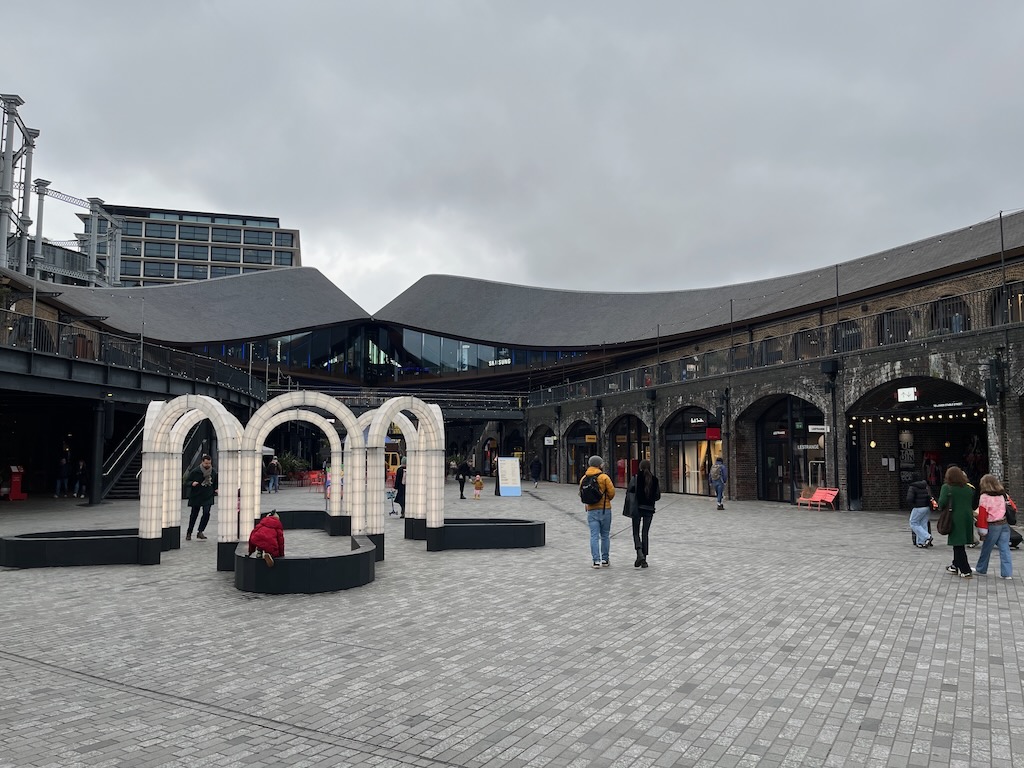
By Kings Cross the landscape shifts completely. Coal Drops Yard sits just off the water, a former Victorian coal depot transformed into something worth stopping for. I fell into conversation with a couple who knew every brick of the place and told me its history without being asked. People who love their patch always will.
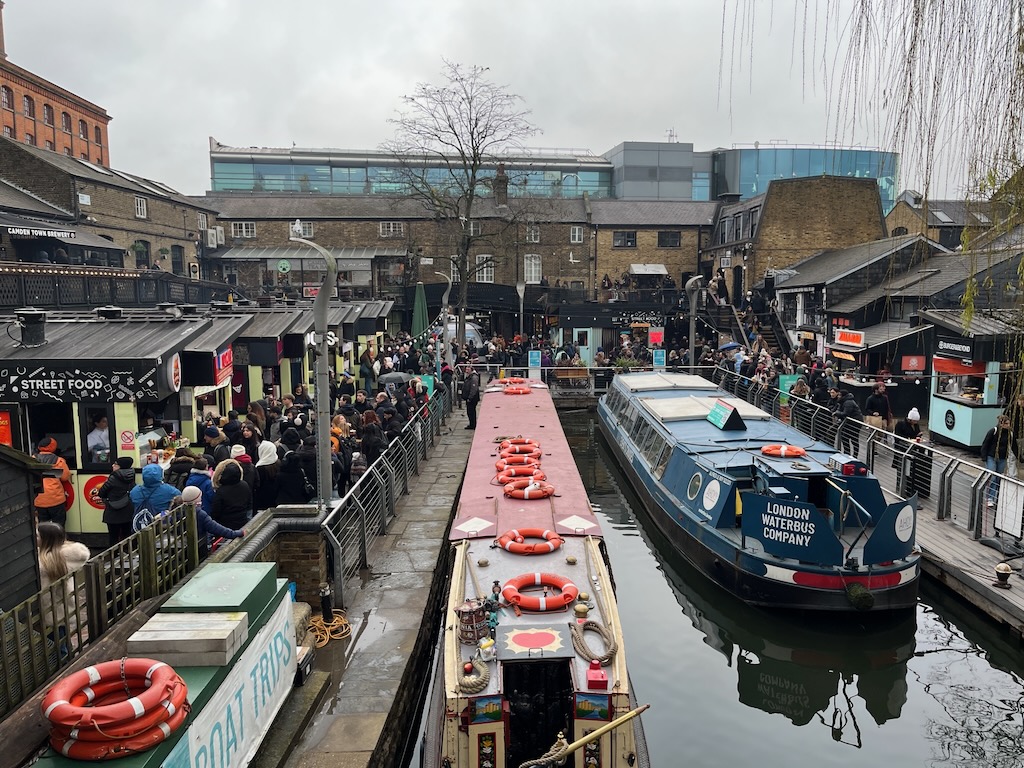
Camden came with noise and colour. I passed through. The canal on the other side is quieter, more residential, the city breathing rather than performing.
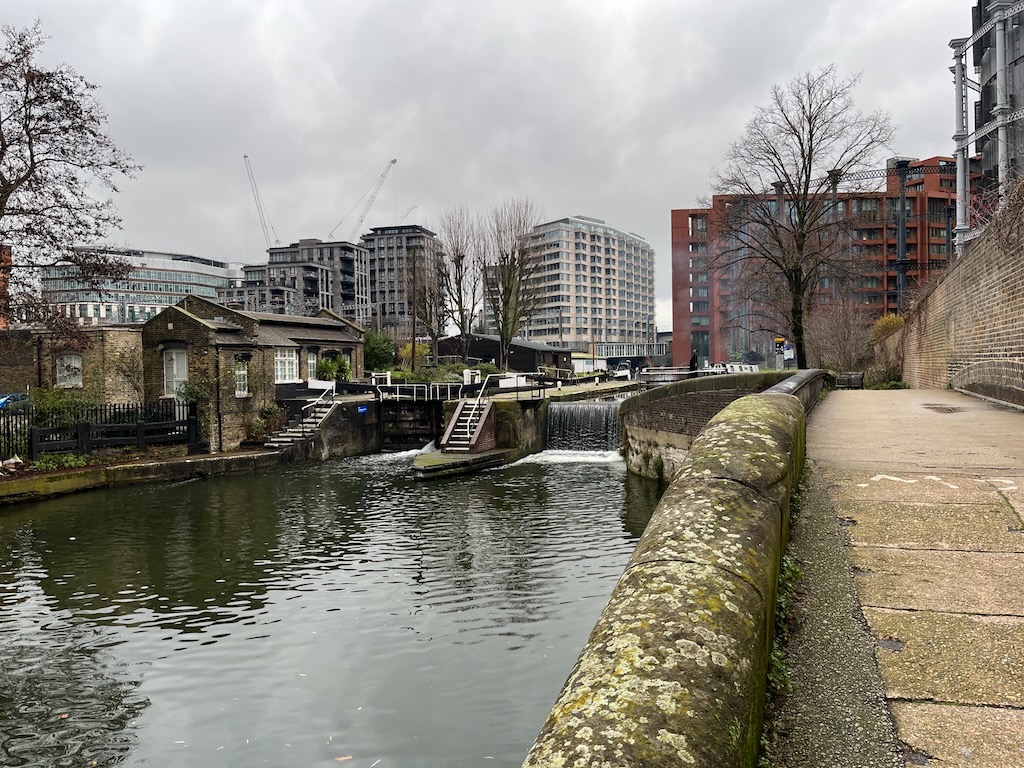
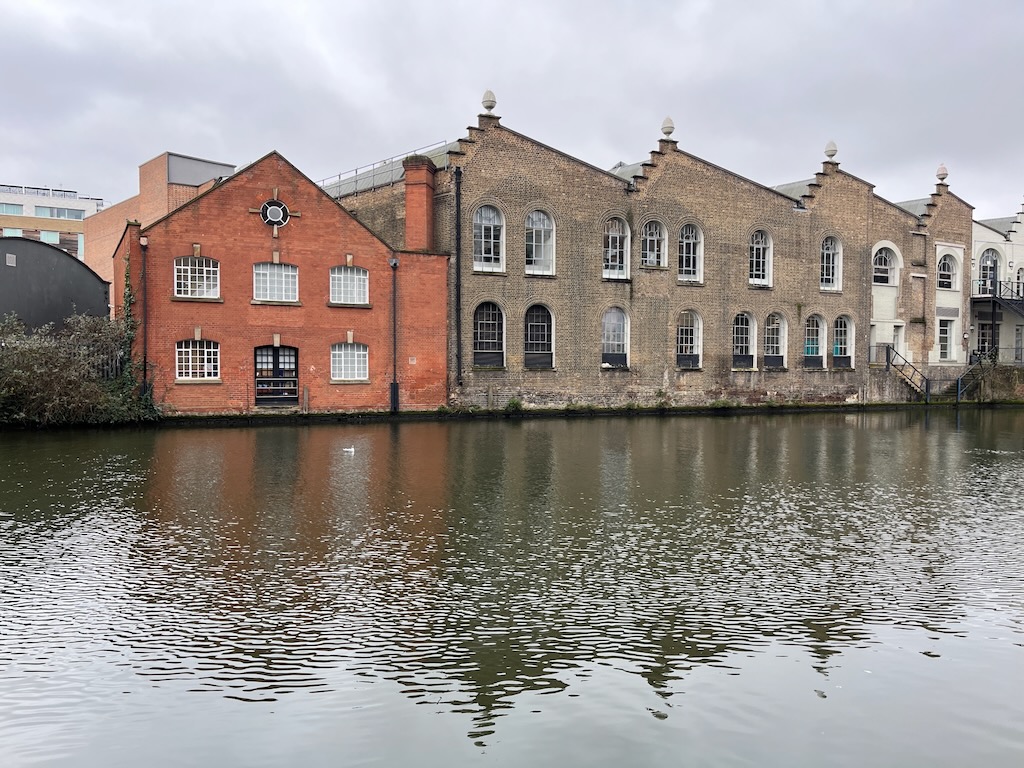
Somewhere along the stretch toward Regent’s Park I got talking to a man from the Canal and River Trust, the charity that looks after around 2,000 miles of waterway across England and Wales. He lived on a converted lifeboat. His parents live on the Broads in Norfolk, which felt like the kind of coincidence a canal walk is designed to produce. We stood watching someone navigate the lock while he talked about the waterways and the people drawn to them.
Half the population of the United Kingdom, he told me, lives within five miles of a navigable canal.
I have thought about that several times since. The canals are not rural or niche. They run through the middle of where most of us actually live, mostly unnoticed, carrying a quieter version of the city just below street level.
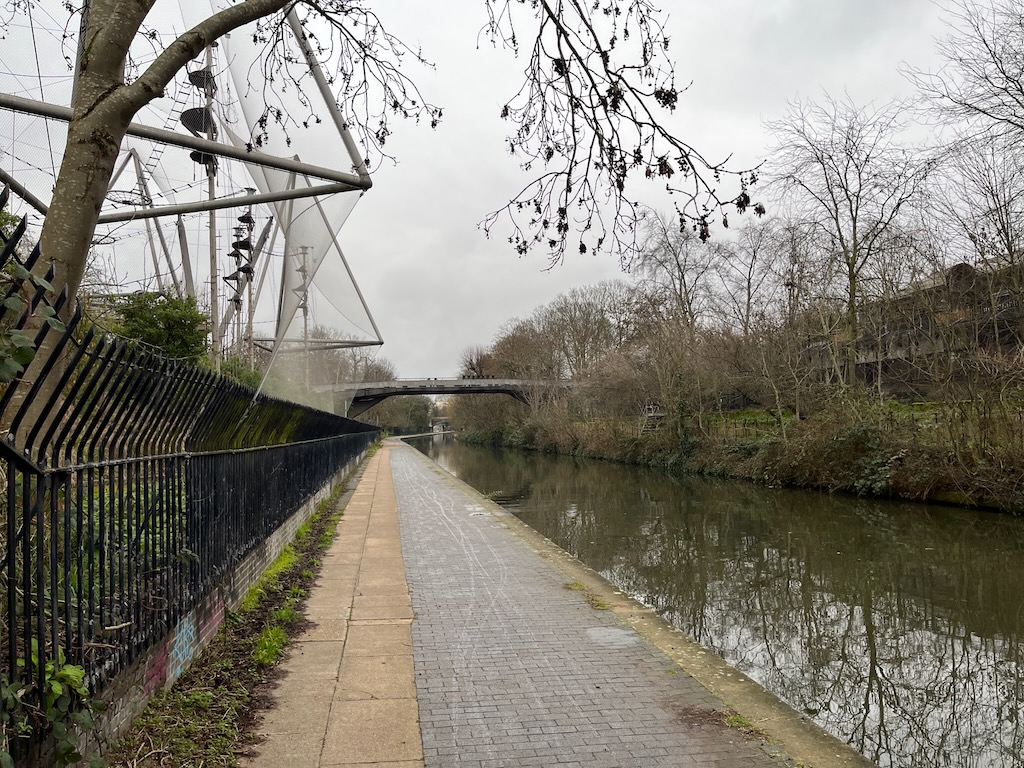
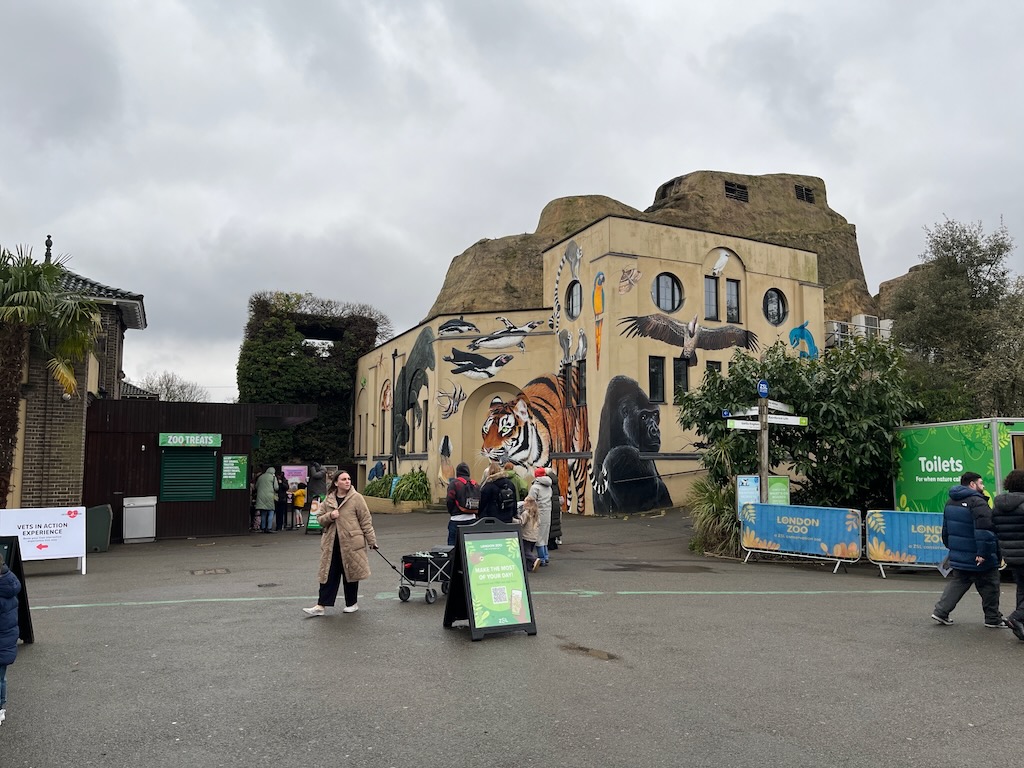
I ended the walk at London Zoo, which borders the canal on its northern edge. I will say only that I found myself inside, that it was brief and unexpected, and that the canal approach is a more interesting arrival than the main entrance.
The whole day covered nearly 17 kilometres including the mosaics. The canal section felt like a different city entirely. Go on a grey day if you can. The water holds the light better than you expect.
🚂 Follow the journey
🍽️ Stephen Plume writes about food, trains, and the people in between.
🚆 The Slow Train: Monthly rail stories. Join for my vetted regional food lists
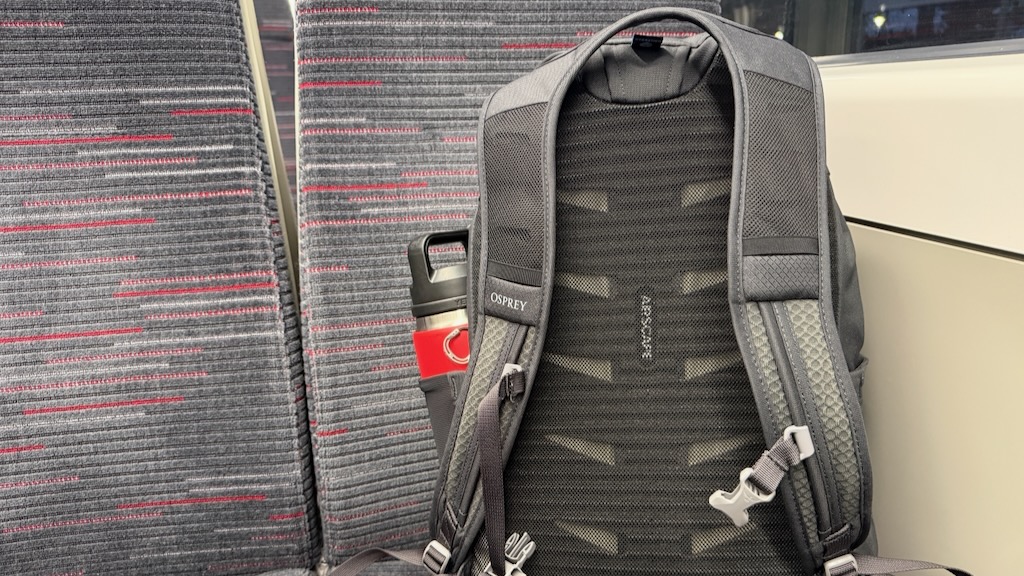
🧳 Travel Kit: Curious about what I pack for the rails? See the list here

Leave a Reply