
Stepping onto the platforms at Crewe, you feel the vibration of the entire British rail network. This isn’t just a station; it’s the heartbeat of the West Coast Main Line. For over 180 years, this has been the strategic pivot of the North, a town literally born from the tracks to keep the nation moving.
Whether you are changing for the Welsh coast, heading north to the border, or watching a heavy freight train rumble through Platform 12, Crewe demands a moment of your time. It is a place of transit, yes, but also a place with a deep, industrial soul that deserves more than a frantic dash across the overbridge.
The arrival
Crewe station is a sprawling labyrinth of history. It feels vast because it has to be, acting as the gateway between London, the North West, and the Midlands. The air here is often filled with the distant hum of idling locomotives and the chime of the dispatch whistles. It is a station of motion. You see it in the engineers in orange hi-vis and the long-distance travellers checking the sprawling departure boards for their connection to the coast.
Sense of place
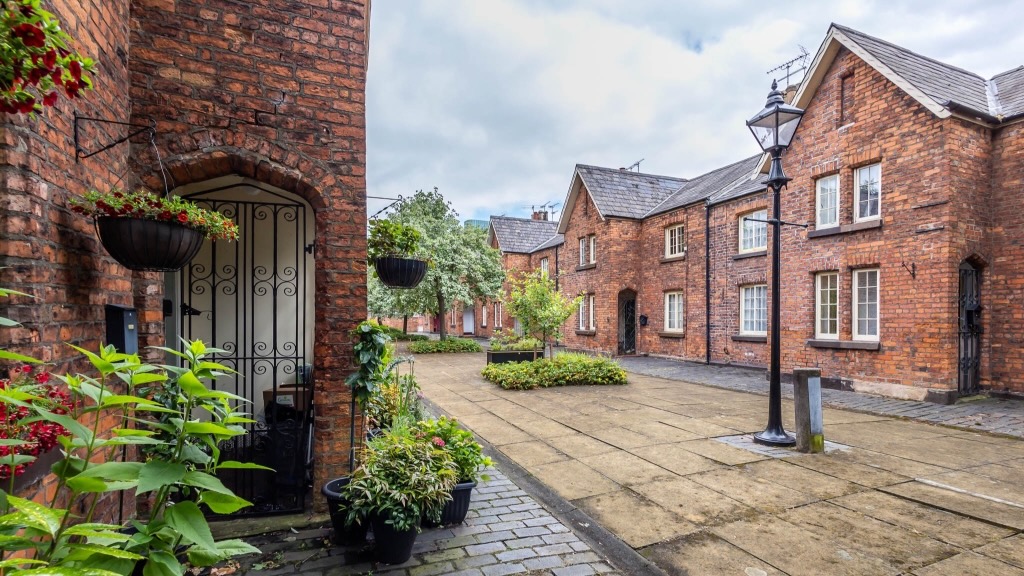
The town itself was essentially a “Railway Colony,” built from scratch by the Grand Junction Railway Company. To understand Crewe, you have to look at the red brick. A three-minute walk from the station takes you into the heart of the Victorian “railway cottages” built for the workers. It is a town of straight lines and functional beauty. I recommend walking down Nantwich Road towards the town centre; it’s the best way to see the transition from the frantic energy of the platforms to the steady pace of the local community.
What to see (walkable from the station)
-
The Railway Cottages (3 mins walk): Wander through the streets immediately surrounding the station. These neat, red-brick terraces were the cutting edge of industrial housing in the 1840s and still define the town’s aesthetic.
-
Crewe Market Hall (15 mins walk): This stunningly restored Victorian building is the centrepiece of the town’s revival. Under its arched roof, the town’s history meets a modern, vibrant energy.
-
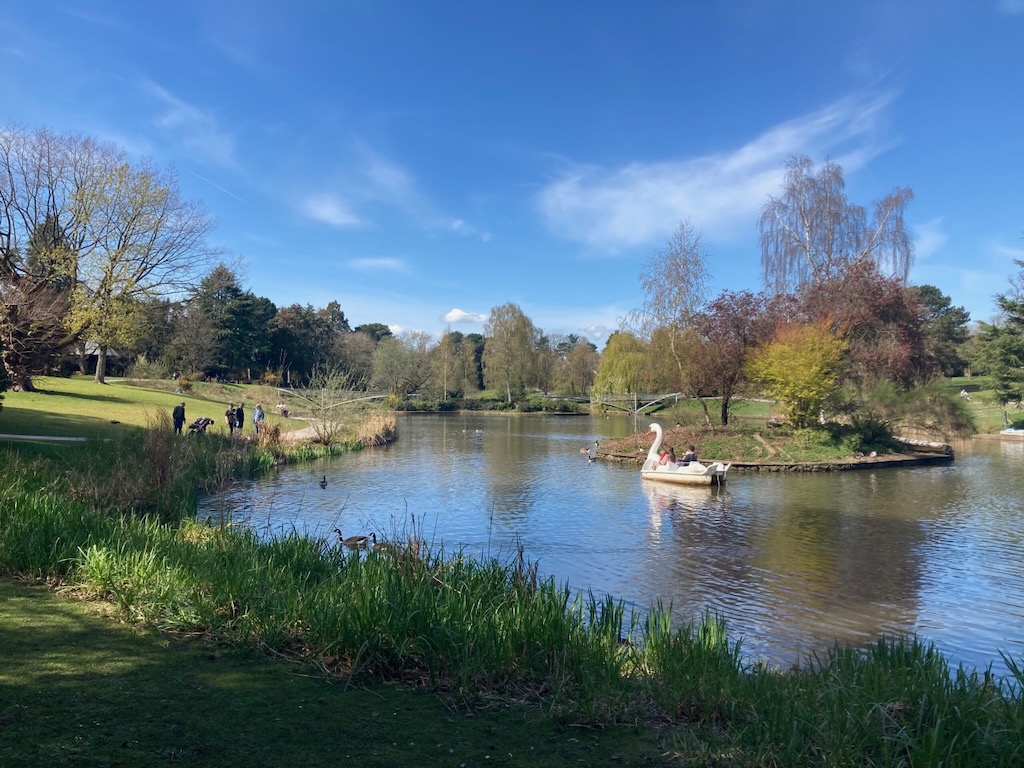
Queens Park (20 mins walk): If you have a longer layover, this “Jewel in the Crown” is a classic Victorian park. It was gifted to the town by the London and North Western Railway in 1887 and offers a peaceful escape from the industrial noise.
The Hungry Passenger: Food & Drink

-
Gio’s Italian (Nantwich Road): A mere three-minute walk from the station. This family-run institution has been serving proper, handmade Italian food since 1987. It’s a warm, authentic sanctuary that feels a world away from the sterile station concourse.

-
Mel’s Kitchen (Crewe Market Hall): Located in the heart of the Market Hall. This is the place for honest, hearty fare. Their handmade pies are legendary and offer exactly the kind of “proper food” needed to fuel a long day on the rails.
-
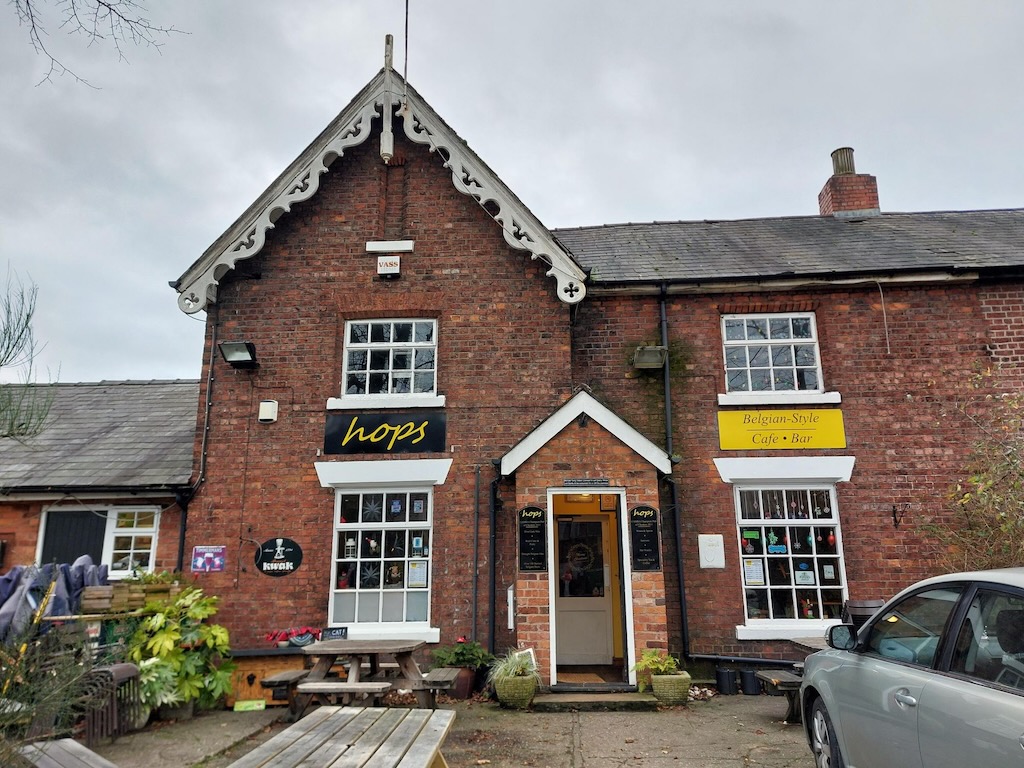
Hops Belgian Bar (Prince Albert Street): A short stroll from the Market Hall. While famous for its curated selection of beers, it’s the atmosphere that wins here. It’s a restorative, character-filled spot that celebrates quality and conversation, making it the perfect place to wait out a connection.
Journey times
-
London Euston: ~1 hour 35 minutes.
-
Manchester Piccadilly: ~35 minutes.
-
Liverpool Lime Street: ~40 minutes.
-
Holyhead: ~2 hours (The gateway to Ireland).
🚂 Follow the journey
🍽️ Stephen Plume writes about food, trains, and the people in between.
🚆 The Slow Train: Monthly rail stories. Join for my vetted regional food lists
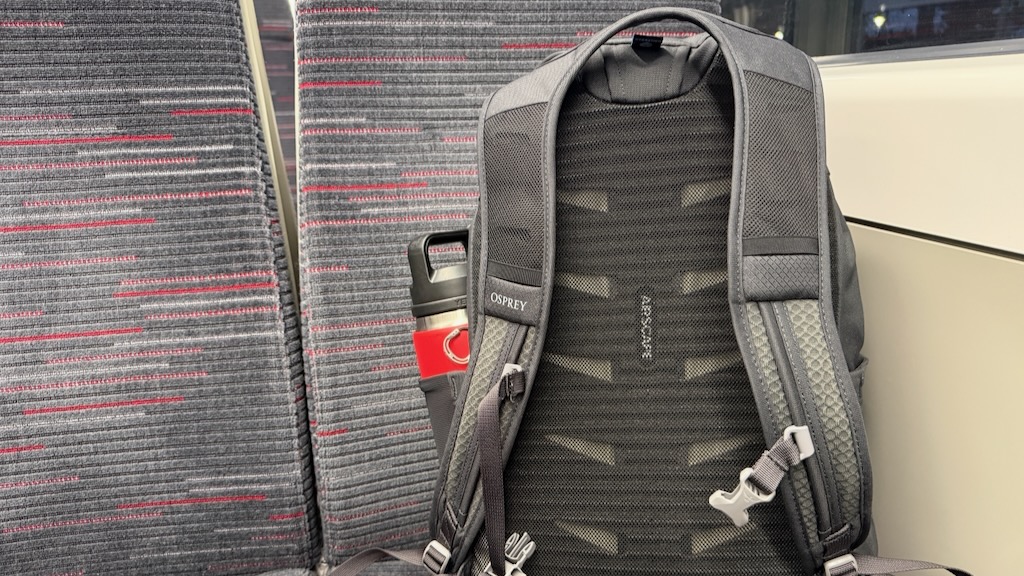
🧳 Travel Kit: Curious about what I pack for the rails? See the list here
Leave a Reply